By Michael Gwarisa
Zimbabwe is grappling with a growing eye health crisis, with cataracts emerging as the leading cause of preventable blindness in the country. According to World Health Organisation (WHO) data, an estimated 125,000 people, about one percent of the population, are blind, and of these, 62,500 cases are caused by cataracts alone.
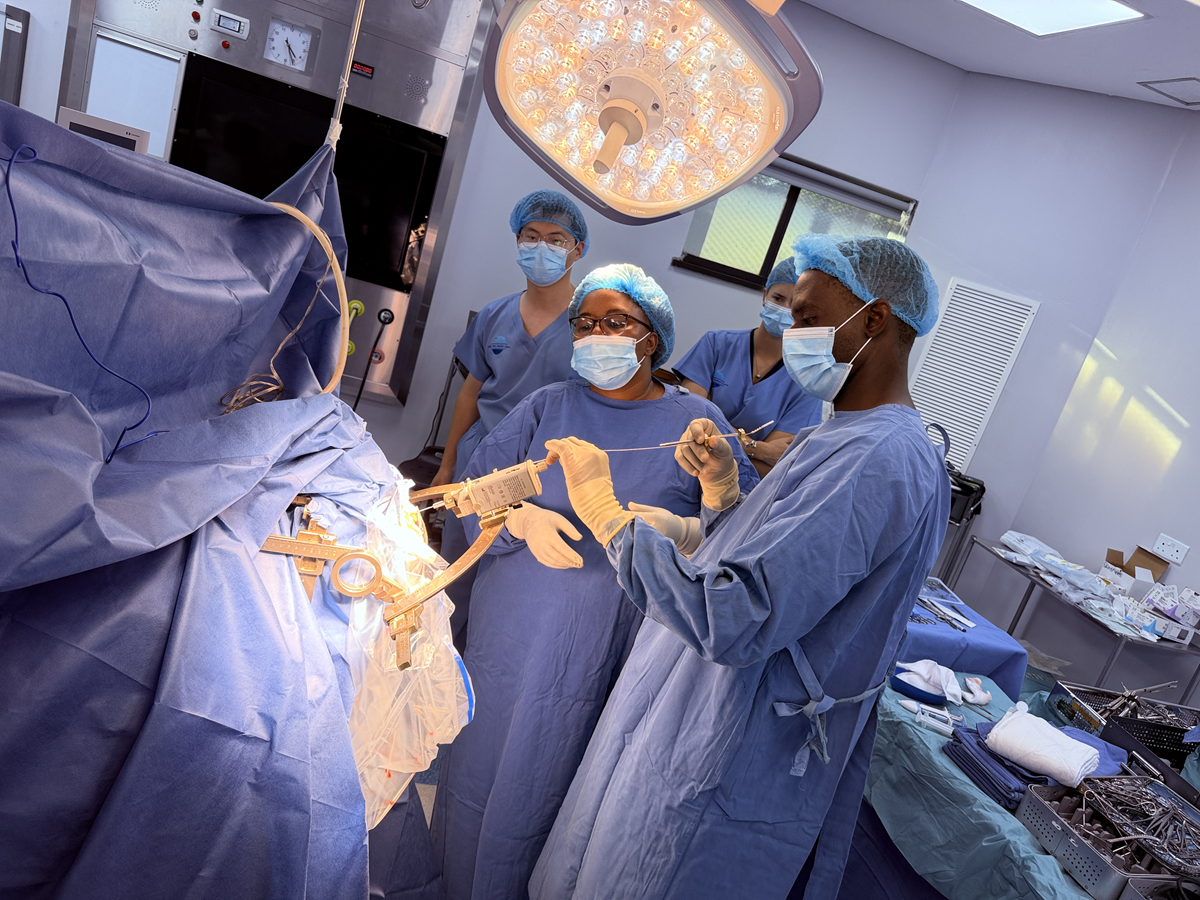
In response to this burden, Old Mutual Zimbabwe, in partnership with the Eye Institute, has launched a series of free eye clinics across the country targeting over 300 cataract surgeries this year. The initiative builds on a successful pilot held in Manicaland in 2024, which restored sight to scores of elderly citizens and vulnerable groups.
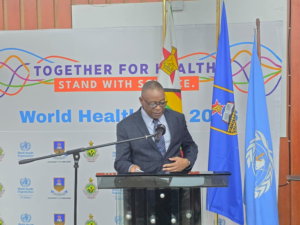
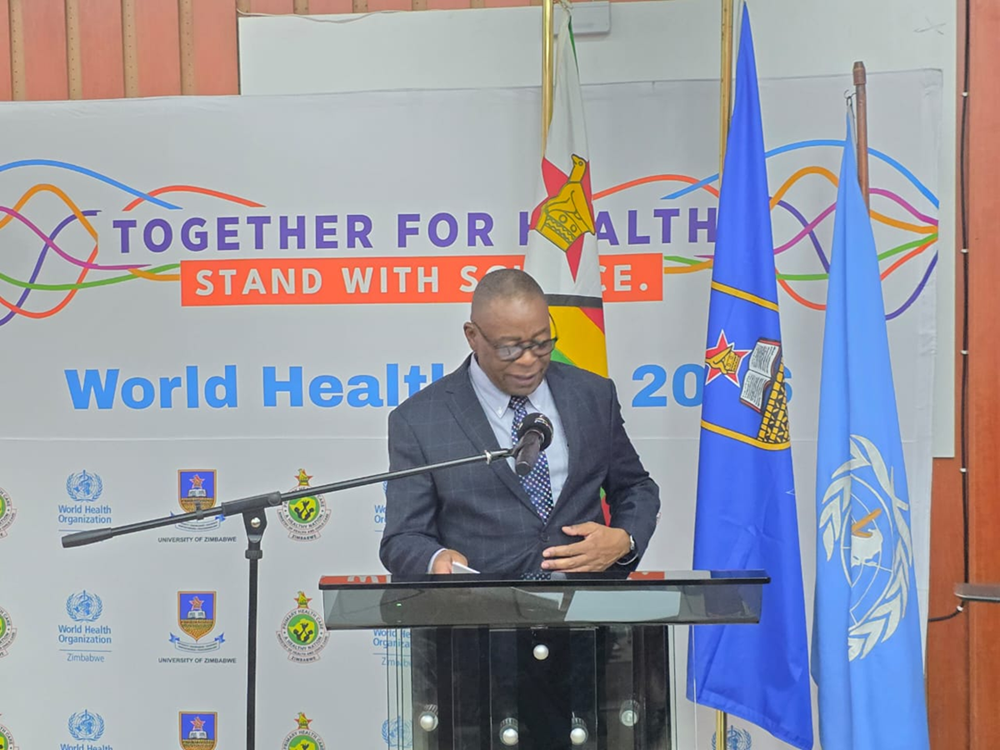
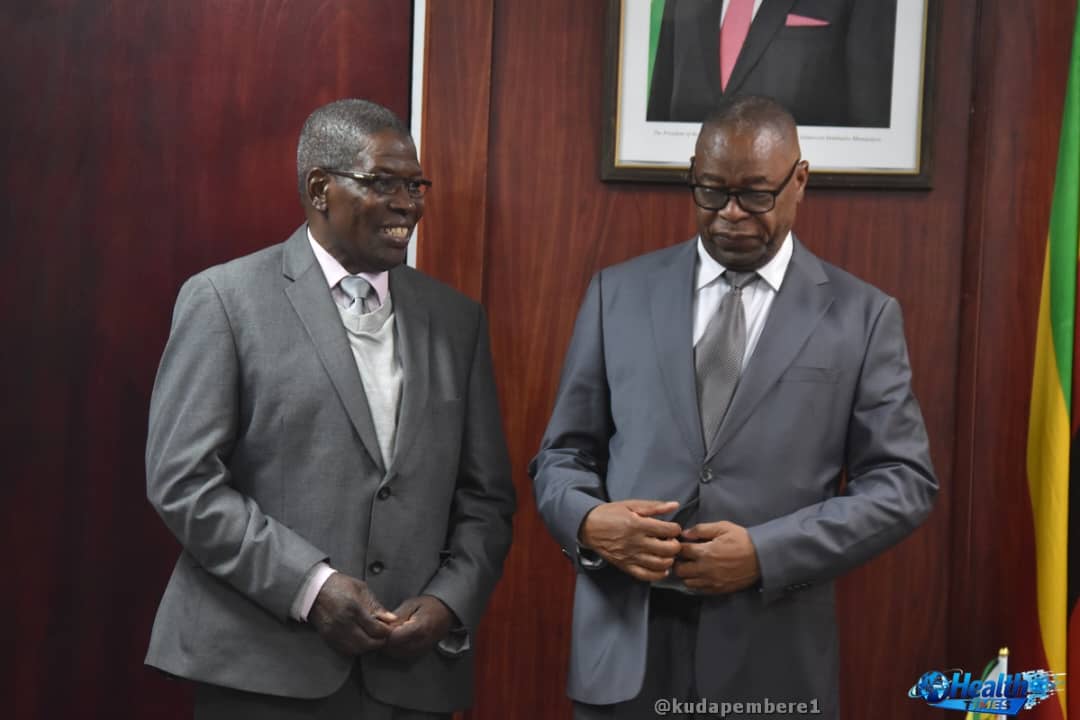
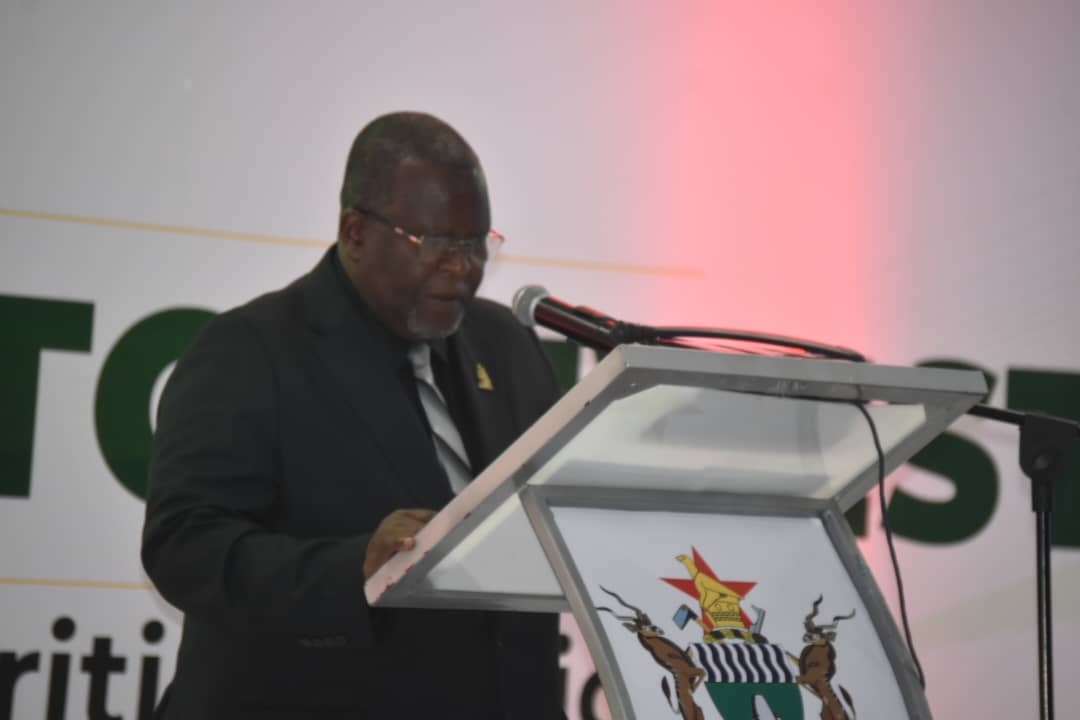
Speaking while officiating at the Harare Eye Clinic, Minister of Health and Child Care, Dr. Douglas Mombeshora, said cataracts and other eye diseases were among the top five causes of outpatient visits in local health facilities.
The World Health Organisation estimates that 125,000 Zimbabweans are blind, and of these, 62,500 cases are due to cataracts alone,” said Dr. Mombeshora.
“Eye diseases remain among the top five causes of outpatient visits, with the most common being refractive errors, cataracts, conjunctivitis, trauma, and glaucoma. The Zimbabwe National Eye Health Strategy 2021–2025 has set a clear path to address these challenges, but it requires collaboration. Partnerships such as the one we celebrate today are essential because they bring resources closer to those in need and ensure no Zimbabwean is left behind in accessing the gift of sight.”

He added that up to 80 percent of blindness in Zimbabwe is avoidable and treatable when timely interventions are made, stressing the importance of expanding access to cataract surgery and primary eye care services.
The collaboration between Old Mutual and the Eye Institute has already demonstrated tangible results. During the pilot phase in Manicaland, over 100 cataract surgeries were successfully performed, while hundreds of elderly citizens received screenings and treatment for other conditions.
Old Mutual Corporate Business Executive, Mr. Chrispen Dzingirai, said the company’s commitment to eye health was part of its broader responsibility to improve the well-being of communities it serves.
“Today marks a very special moment in the journey we began last year, a journey to restore one of life’s most precious gifts, the gift of sight,” said Mr. Dzingirai.
“In 2024, Old Mutual Zimbabwe partnered with the Eye Institute to serve citizens aged 60 and above by offering free eye care. Hundreds of successful cataract surgeries were performed during the pilot programme, and the impact went beyond medical outcomes—it was social, emotional, and transformative.”
Dzingirai said the initiative aligns with Sustainable Development Goal (SDG) 3 on good health and well-being, underscoring Old Mutual’s commitment to supporting communities beyond financial solutions. He added that the next series of eye camps will be rolled out in Manicaland from 22–25 October 2025 and in the Midlands from 21–25 November 2025.
“For generations, Old Mutual has worked alongside Zimbabwe, securing families through retirement, insurance, and investment solutions. But our purpose goes beyond financial services. We are committed to building a future that is inclusive, sustainable, and dignified for the communities we serve,” he added.
The medical expertise behind the programme is being provided by the Eye Institute, a specialist eye health organisation founded by Dr. Ron Mhizha, who has dedicated his career to improving access to quality ophthalmic care in Zimbabwe.
“From our side at the Eye Institute, we provide the knowledge, the skills and cutting-edge technology,” said Dr. Mhizha. “We are proud of our partners at Old Mutual who have given us resources, infrastructure, and scale. With support from the ministry and the public sector, we are confident this programme can achieve national coverage and be integrated into primary health care.”
Dr. Mhizha noted that the Eye Institute’s staff had been working tirelessly to prepare for the expanded programme, which aims to perform more than 300 cataract surgeries this year across Harare, Manicaland, and Midlands. He also called on other corporates to come on board.
“We hope that this becomes an ongoing programme for the future, and that other partners will also respond to government’s call by helping deliver eye health services to our citizens. Restoring sight is not just a medical intervention—it restores dignity, independence, and the ability to participate fully in family and community life,” he said.
Government, private sector convergence
Dr Minister Mombeshora said the programme was a model for how government and private sector collaboration could address national health priorities in an inclusive way.
“Together we are building a health system that works for all, urban and rural, young and old. Allow me to commend Old Mutual and the Eye Institute for their dedication to community well-being. Your efforts are saving sight, restoring livelihoods, and reminding us all that health is not only about policies and budgets, but about people,” he said.
With an ageing population, elderly citizens make up nearly 5 percent of Zimbabwe’s population, cataracts are expected to remain a major public health concern unless interventions are scaled up. By combining resources and technical expertise, the partnership between Old Mutual and the Eye Institute is offering hope to thousands at risk of preventable blindness.