By Kuda Pembere
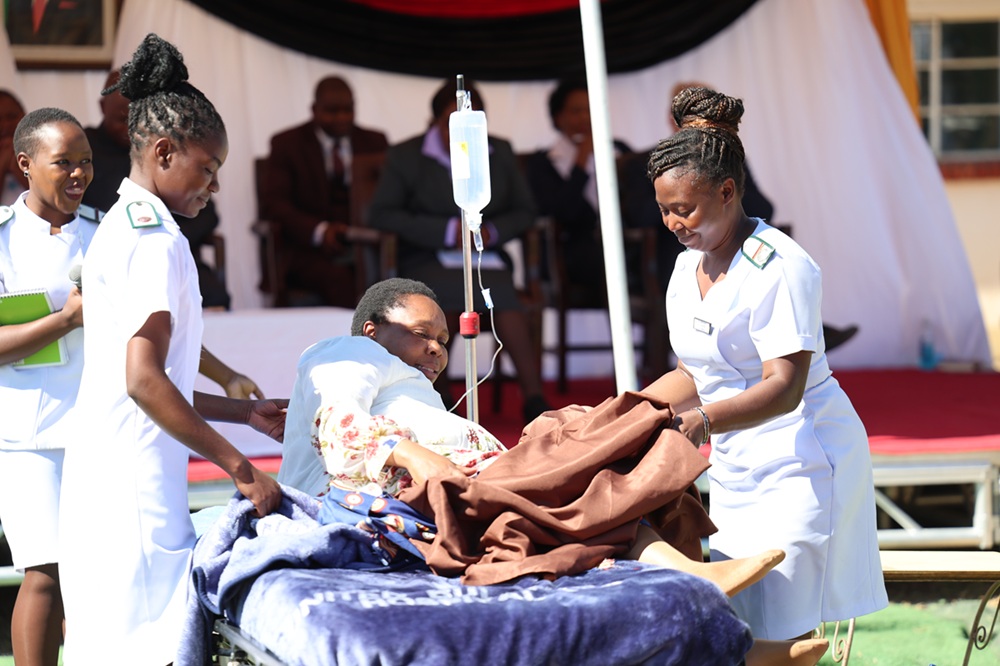
Nurses at Sally Mugabe Central Hospital have resolved to stop working night shifts starting tomorrow following a protest over low salaries and rising transport costs.
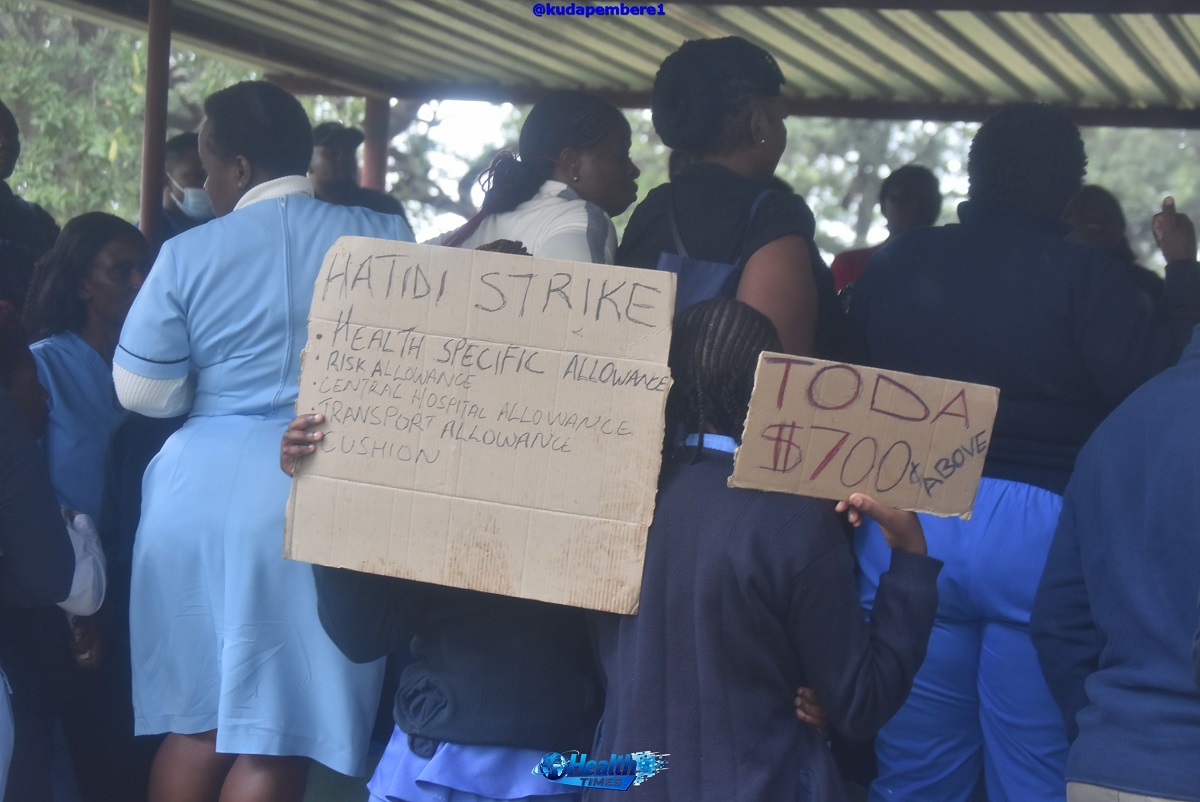
The decision comes after a demonstration at the hospital on Friday, where nurses, joined by some patients, voiced frustration over wages eroded by inflation and recent fuel price hikes that have pushed up bus fares.
Zimbabwe Nurses Association (ZINA) Harare Province Organising Secretary Kumbirai Maisva said the nurses agreed to move to day shifts only, from 7am to 4pm, until their concerns are addressed.
“We wanted a way forward and built a consensus that from Monday, we will meet again and start working straight duties from 7 am to 4 pm. Night duty as of now, the nurses made a consensus they will not be coming to work for the night duty because the allowance for night duty is not making sense,” he said.
The protest was triggered in part by rising transport costs, with bus fares reaching up to US$3 for commuters travelling from areas such as Chitungwiza and Mabvuku.
Maisva said current monthly transport allowances, pegged at less than 500 ZiG, are no longer adequate.
“Their agenda was seeking a way forward until their salaries are increased to cushion them from the difficult economy in country. You find that Harare Hospital nurses come from different areas such as Mabvuku and Chitungwiza. The fares for these areas are US$3. Our transport allowances are less than 500 ZiG. This is not enough for the nurses to go to work,” he said.
Among the key grievances is the night duty allowance, which nurses say is too low to justify working overnight shifts.
“Since last year, we have sent our list of demands but the employer hasn’t responded yet stating they are waiting for the job evaluation process. But, with the current dire economy, it doesn’t make sense. We have the issue of night duty allowance,” he said.
“The amount that we are getting is less than US$50. So for that we want at least US$200 to US$250.”
While rural nurses have their rural allowances, the nurses are also calling for the introduction of a central hospital allowance, arguing that they handle a heavier workload due to high patient volumes and referrals.
“Then there is the issue of the central hospital allowance. Like here at Harare Hospital, it is a big institution with lower fees compared to other central hospitals. We treat a lot of people here especially at the pediatric hospital which is the busiest in Zimbabwe.
“You also see that people from Mabvuku supposed to go to Parirenyatwa, they come here at the Peds. This overwhelms the nurses and other health workers. Yet we end up contracting diseases like TB because of unhealthy diets. So what we demand is a specific central hospital allowance,” Maisva said.
ZINA Sally Mugabe Central Hospital chapter secretary-general Farai Matsiwe said the heavy workload, driven by referrals from across the country, is pushing nurses to burnout.
“Being a referral central hospital, there is a helipad with helicopters coming from rural areas which increases our workload. As workers here, let me reiterate that we want to work here as other nurses are demanding that they want to continue working. But coming to work is now a challenge,” he said.
He added that the suspension of night duty is indefinite unless the employer, the Health Service Commission, urgently engages the nurses.