By Kuda Pembere in Mhangura
Zimbabwe last Friday belatedly marked World Contraception Day in Mhangura with the launch of the country’s Contraceptive Cost Recovery Framework, aimed at improving domestic financing for family planning commodities and services.
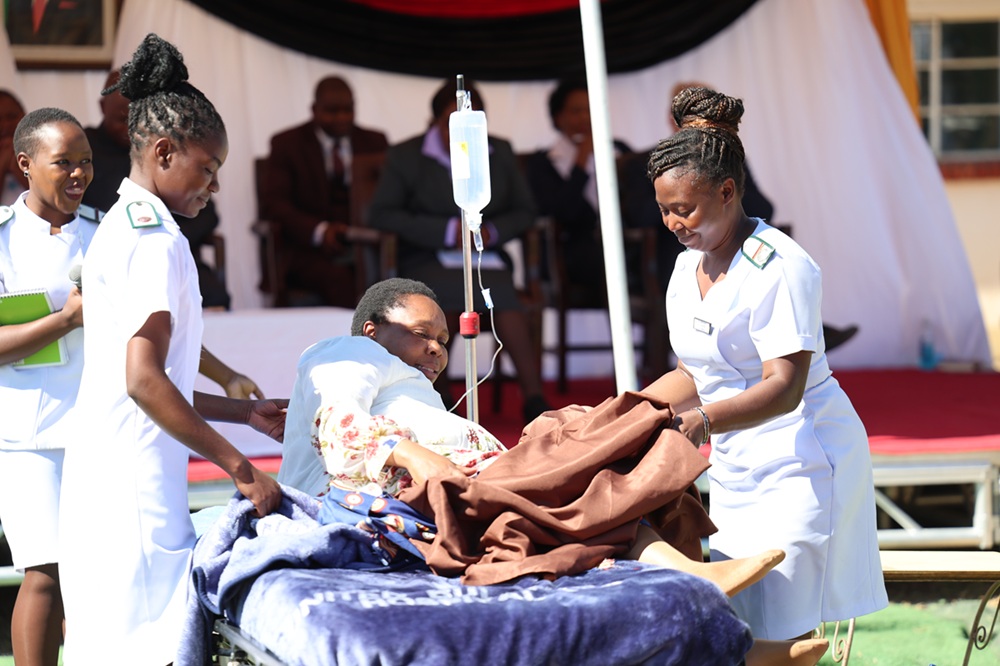
The commemorations, held at Mhangura Recreational Club, drew hundreds of community members and health stakeholders. Mashonaland West was selected to host the national event to raise awareness on contraception, as the province records one of the highest rates of adolescent pregnancies in the country.
According to the Ministry of Health and Child Care, Zimbabwe’s overall adolescent pregnancy rate stands at 23 percent, with 31 percent of adolescents in Mashonaland West having fallen pregnant at some point. Mashonaland Central has the highest rate at 37 percent, while Bulawayo has the lowest at 13 percent.
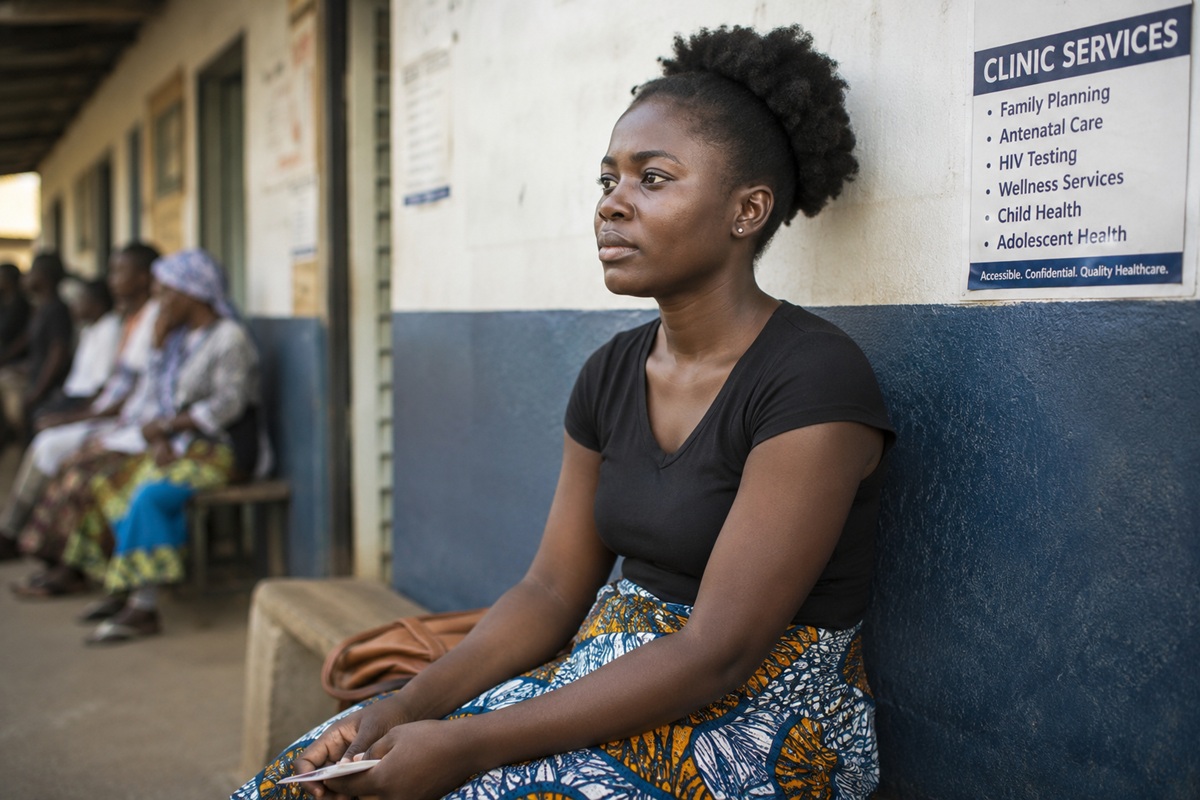
During the event, free health consultations were offered, including cervical cancer screening, HIV and TB testing, and contraceptive services.
Health and Child Care Minister and Mhangura legislator Dr Douglas Mombeshora said his ministry remains committed to empowering communities with information to make informed family planning choices.
“Teenage pregnancies and birth-related mortalities are dropping. Mashonaland West is, however, ranked second in the country with 31 percent of adolescent pregnancies,” he said.
“The government of President Emmerson Mnangagwa has invested over USD 4.5 million in the past three years to procure contraceptives using domestic resources. To complement these efforts, Zimbabwe became one of the first countries in the East and Southern Africa region to qualify for Match Funding through the UNFPA Global Supplies Partnership. This is a testament to our belief that family planning is not a luxury—it is a right and a cornerstone of national development.”
Dr Mombeshora also announced that a Youth Centre will be established in Mhangura to help reduce teenage pregnancies and sexually transmitted infections in the area.
He further emphasized the need to empower women economically and invest in digital health technologies to strengthen reproductive health services.
Globally, the United Nations Population Fund (UNFPA) estimates that in 2024 its supported supplies prevented 18 million unintended pregnancies, 7.5 million unsafe abortions, and 39,000 maternal deaths. However, 257 million women who wish to avoid pregnancy still lack access to safe, modern contraception.
In Zimbabwe, progress remains evident. In 2024 alone, at least 2.25 million women accessed modern contraceptives, averting an estimated 810,000 unintended pregnancies, 202,000 unsafe abortions, and 2,300 maternal deaths.
For more than a decade, Zimbabwe’s family planning programme has relied heavily on external donor support, particularly from UNFPA. However, declining donor funding and shifting global priorities have made domestic resource mobilization critical to sustaining the gains achieved.
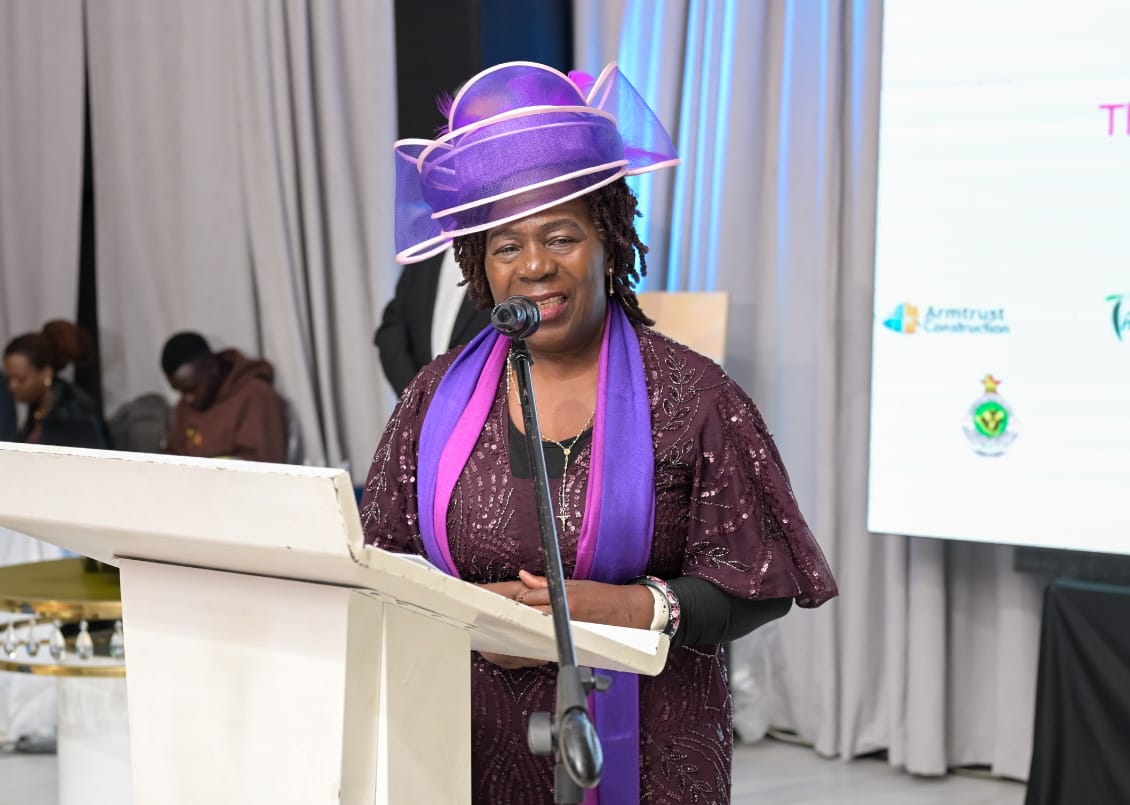
UNFPA Country Representative Ms Miranda Tabifor said the UN agency continues to support Zimbabwe in strengthening its family planning systems through the Match Funding mechanism, which incentivizes governments to increase local spending on reproductive health commodities.
“For every dollar a government invests, UNFPA provides two dollars’ worth of these essential supplies. This financing mechanism helps governments secure needed contraceptives and medicines, promoting stronger national health systems and greater investment in family planning,” she said.
Ms Tabifor said the newly launched Contraceptive Cost Recovery Framework, developed with UNFPA support, offers a roadmap toward sustainability. The framework seeks to reduce donor dependency by allowing cost recovery from those who can afford to pay, with proceeds reinvested to support vulnerable populations.
“Contraceptives are one of the most cost-effective public health investments. They save lives, protect health, and empower women and girls to determine their futures. With the Cost Recovery Framework, Zimbabwe is taking bold steps to secure reproductive health commodity security and ensure that no one is left behind,” she added.
Zimbabwe National Family Planning Council (ZNFPC) Chief Executive Officer Mr Farai Machinga urged communities to obtain contraceptives from authorized health facilities.
“Do not buy contraceptive products from unregistered persons and facilities. We know some of you are buying these products which would be in the sun and then start complaining that they do not work,” he said. “Contraception is not about controlling lives—it’s about giving people control over their lives. It’s about choice, hope, and building a Zimbabwe where every child is born into a family ready to nurture them.”
Population Services Zimbabwe (PSZ) Country Director Ms Pester Siraha reaffirmed her organization’s commitment to supporting government efforts to ensure adequate contraceptive supplies nationwide.