Michael Gwarisa
Zimbabwe is set to significantly expand access to Lenacapavir, the long-acting injectable HIV prevention drug, after securing additional financial support from the Global Fund through the United States Department of State, a development expected to strengthen HIV prevention efforts among high-risk populations.
The new support will see an additional 43,000 doses added to Zimbabwe’s Lenacapavir rollout programme, raising the country’s target to about 46,500 users in 2026. Zimbabwe commenced the rollout of Lenacapavir in February this year after receiving an initial allocation of about 2,000 doses, which were distributed across 12 sites in selected districts nationwide.
The expansion comes amid growing demand for the injectable HIV prevention drug, with early uptake data suggesting strong interest among populations at high risk of HIV infection. Health authorities say the latest support has also eased concerns over the future sustainability of the programme following the initial pilot phase.
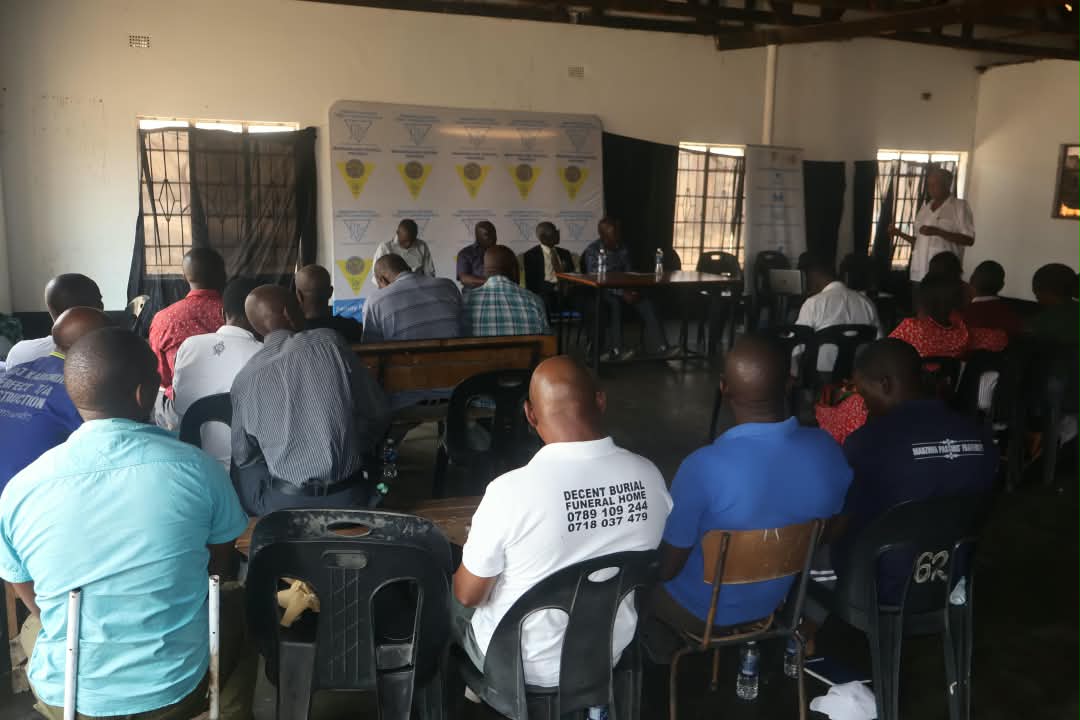
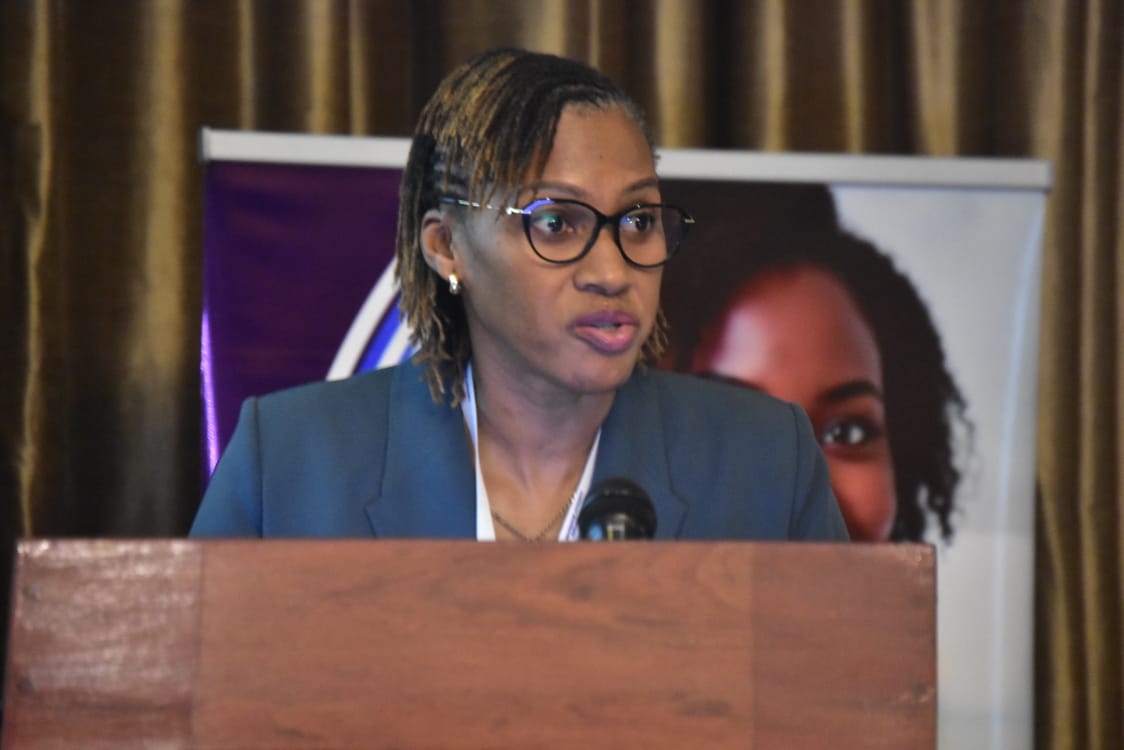
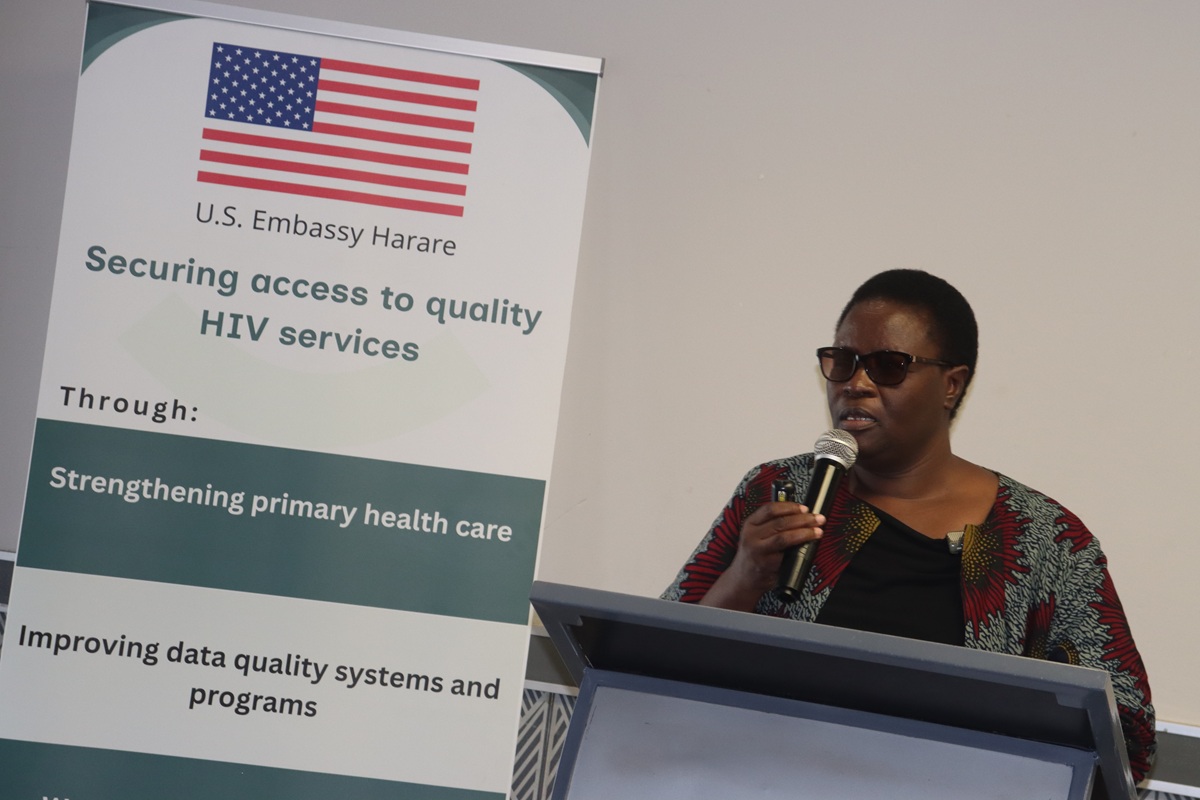
Speaking during a Ministry of Health and Child Care Lenacapavir media training facilitated by OPHID and the Health Communicators Forum Zimbabwe (HCF), with support from the United States Government, Gertrude Ncube said the additional funding would allow Zimbabwe to rapidly scale up access to the drug.
“The Department of State, through PEPFAR, requested us to budget for another 43,000 clients. So in total, we will have about 46,500 clients receiving Lenacapavir this year,” said Ncube.
Ministry of Health uptake data show that 1,478 clients had been initiated on Lenacapavir since the programme began in February. Women account for the majority of recipients at 67%, while 42% of those initiated on the drug had switched from oral PrEP and Cabotegravir Long Acting Injectable PrEP (CAB-LA).
The figures also reveal that demand for Lenacapavir is highest among adults aged between 25 and 39 years. The 30 to 34 age group recorded the largest share of initiations at 20% (266 people), followed by those aged 35 to 39 years at 19% (248). Uptake among adolescents aged 15 to 19 years remains low at just 2% (33 people), while numbers also decline among adults aged 45 years and above.
Health officials say the early trends suggest strong interest among sexually active adults, particularly women, while highlighting the need for more targeted awareness campaigns among adolescents and older populations.
Dr Idah Moyo, the Ministry of Health and Child Care’s HIV Prevention Officer, said the first phase of the rollout had demonstrated unexpectedly high demand for the injectable prevention method, with some people travelling long distances to access the drug.
“From the experiences of both providers and clients, there is generally high uptake. People are actually interested in taking up Lenacapavir and we can see that from the uptake within a short space of time,” said Dr Moyo.
“From the client’s perspective, it is convenient because they do not have to take medication regularly. It is becoming a preferred prevention method.”
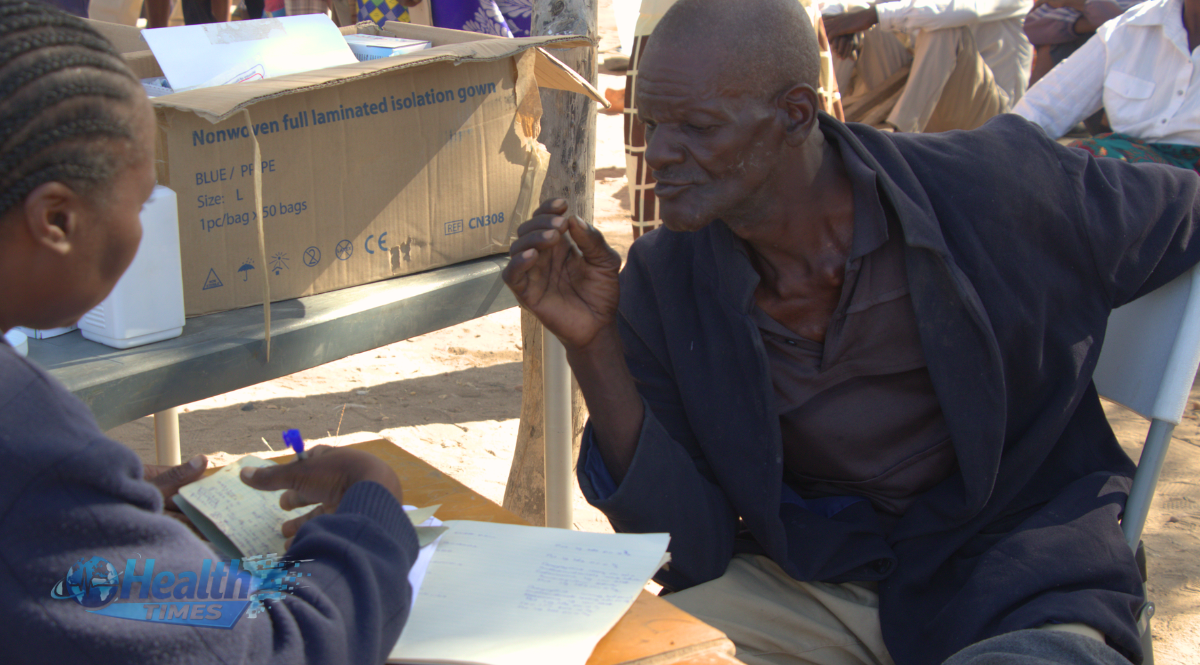
She said the limited number of rollout sites had created access challenges, with some clients travelling from different towns and districts to facilities offering the injection. While this reflected strong demand, it also complicated follow-up and monitoring efforts by healthcare workers.
“If people are coming from far away, it becomes difficult to monitor them because ideally you want clients from within the facility catchment area so that you can adequately follow up on that cohort,” she said.
Beyond access challenges, health experts say misinformation and poor understanding of HIV prevention tools remain significant barriers to uptake.
Dr Pugie Chimberengwa, OPHID Technical Director, said misconceptions around Lenacapavir were contributing to confusion in communities despite the programme’s successful rollout.
“Misinformation can stick in people’s minds and continue to influence their thinking even when it appears to have been corrected,” said Dr Chimberengwa.
“The general misconception is that Lenacapavir is a vaccine. It is not a vaccine. It is prevention medication. It is similar to how people may take preventive medication before travelling to a high malaria burden area. The concept is prevention against infection.”
Health communication experts say addressing misinformation will be critical if Zimbabwe is to achieve its ambitious scale-up targets.
The Ministry of Health and Child Care’s Communications and Demand Generation Consultant, Dr Ponesai Nyika said awareness levels around HIV prevention methods remain low, with fewer than half of Zimbabweans aware of any form of PrEP.
Officials say this underscores the need for sustained public education campaigns as Zimbabwe prepares for a wider national rollout of Lenacapavir in 2026.