Watch: Zimbabwe Launches Lenacapavir: New HIV Prevention Injection With 99.9% Protection
Michael Gwarisa
In a major step forward for HIV prevention, Zimbabwe has officially launched the rollout of Lenacapavir, a long-acting injectable drug that provides new protection options for communities at high risk of HIV infection.
Zimbabwe joins South Africa, Kenya, Zambia, and Eswatini among the African nations already administering the drug.
Speaking at the official launch, Minister of Health and Child Care, Dr Douglass Mombeshora, said,
“Today marks an important milestone in Zimbabwe’s national response to HIV. We gather to launch Lenacapavir, a long-acting injectable option for HIV prevention, and to show our commitment to protecting life and ending AIDS as a public health threat.”
Lenacapavir is administered only twice a year, offering greater convenience, fewer clinic visits, and enhanced privacy. Dr Mombeshora stressed that the new drug complements existing HIV prevention methods.
“Lenacapavir does not replace other HIV prevention options. Abstinence, faithfulness to one partner, consistent condom use, oral PrEP, and other injectable options all remain essential. No single method works for everyone. Choice is central to our policy,” he said.
The rollout is fully aligned with Zimbabwe’s National HIV and AIDS Strategic Plan and global guidance, including World Health Organization recommendations. It has also been approved by the Medicines Control Authority of Zimbabwe following regulatory review.
Developed by the U.S. company Gilead Sciences with support from the U.S. government, Lenacapavir targets young women, pregnant and breastfeeding mothers, and populations at high risk. The drug is convenient, effective, and discreet.
At the launch, Deputy Chief of Mission at the U.S. Embassy in Harare, Phillip Nervig, said,
“Lenacapavir represents the cutting edge of HIV prevention science. Already in use in the United States, Zambia, and Eswatini, it offers Zimbabwe an historic opportunity to sustain its progress in reducing new HIV infections.”
He commended the Ministry of Health and Child Care for their leadership and highlighted U.S. support for Zimbabwe’s HIV response.
“To date, the American people have provided $1.9 billion to combat HIV/AIDS in Zimbabwe. This support has helped Zimbabwe surpass the UNAIDS 95-95-95 targets, a world-class achievement demonstrating what can be accomplished through partnership.”
Through collaboration with Gilead Sciences, the U.S. is supporting access to Lenacapavir for over 271,000 Zimbabweans, potentially preventing more than 9,000 new HIV infections over the next three years. These are lives saved—children, men, and women who will continue to pursue their dreams and contribute to Zimbabwe’s development.
Since 2003, the U.S. President’s Emergency Plan for AIDS Relief (PEPFAR) has saved over 25 million lives globally, marking the largest single-nation commitment to fighting a disease.
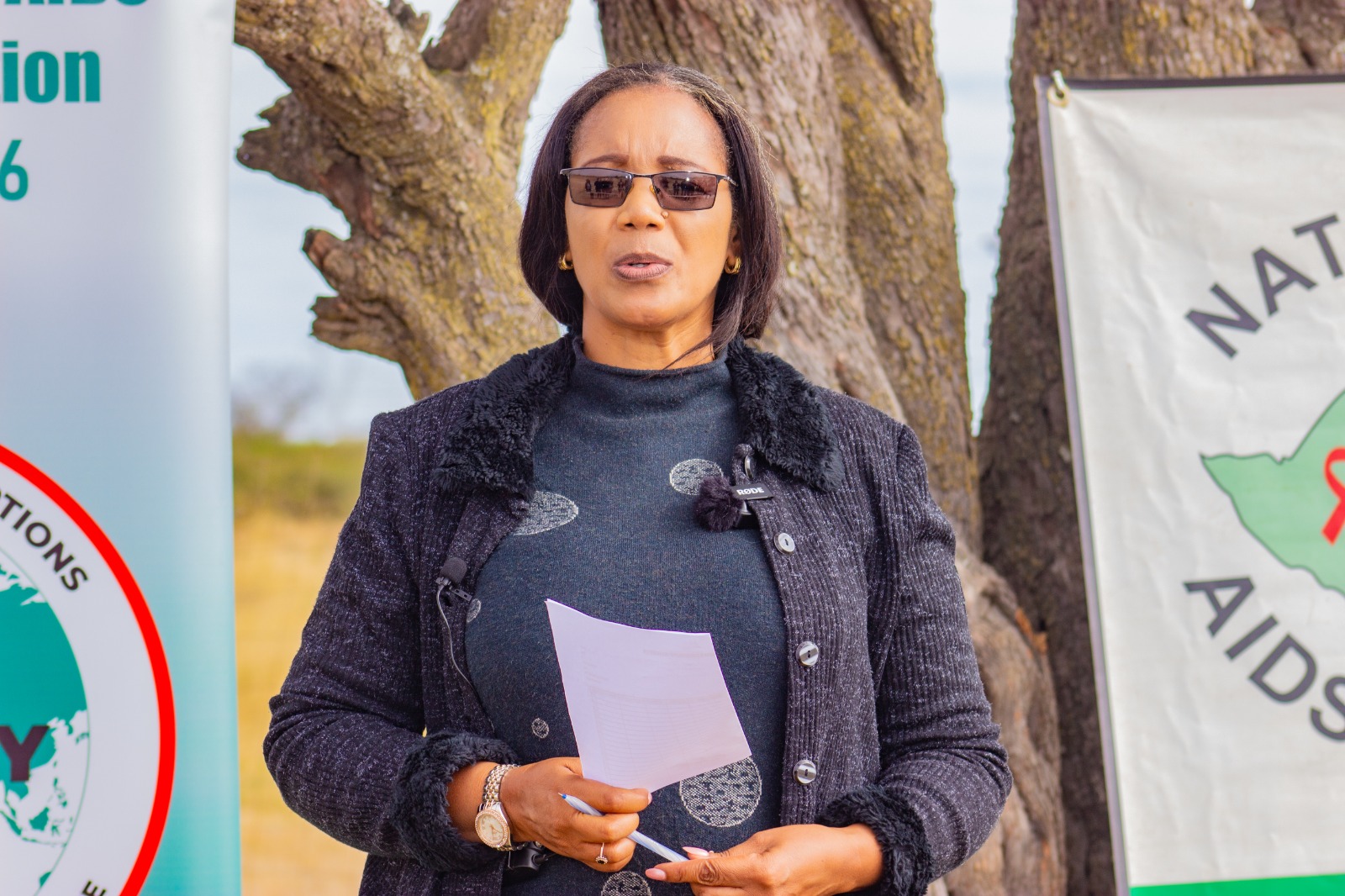
Dr Bernard Madzima, CEO of the National AIDS Council, highlighted ongoing challenges.
“Today is a crucial day in Zimbabwe’s HIV response, especially as we work toward ending AIDS as a public health threat by 2030. Through government, civil society, and partner efforts, we have significantly reduced HIV incidence and prevalence, thanks to robust antiretroviral programs and mother-to-child transmission prevention. Yet new infections still occur, particularly among adolescents and young women,” said Dr Madzima.