
Michael Gwarisa
The National Blood Service Zimbabwe (NBSZ) will mark the 2026 World Blood Donor Day commemorations in Bulawayo on June 12, with activities scheduled for John Tallach Secondary School in Ntabazinduna.
Although World Blood Donor Day is globally observed on June 14 each year, NBSZ said it will hold its national commemorations earlier this year as the date falls on a Sunday.
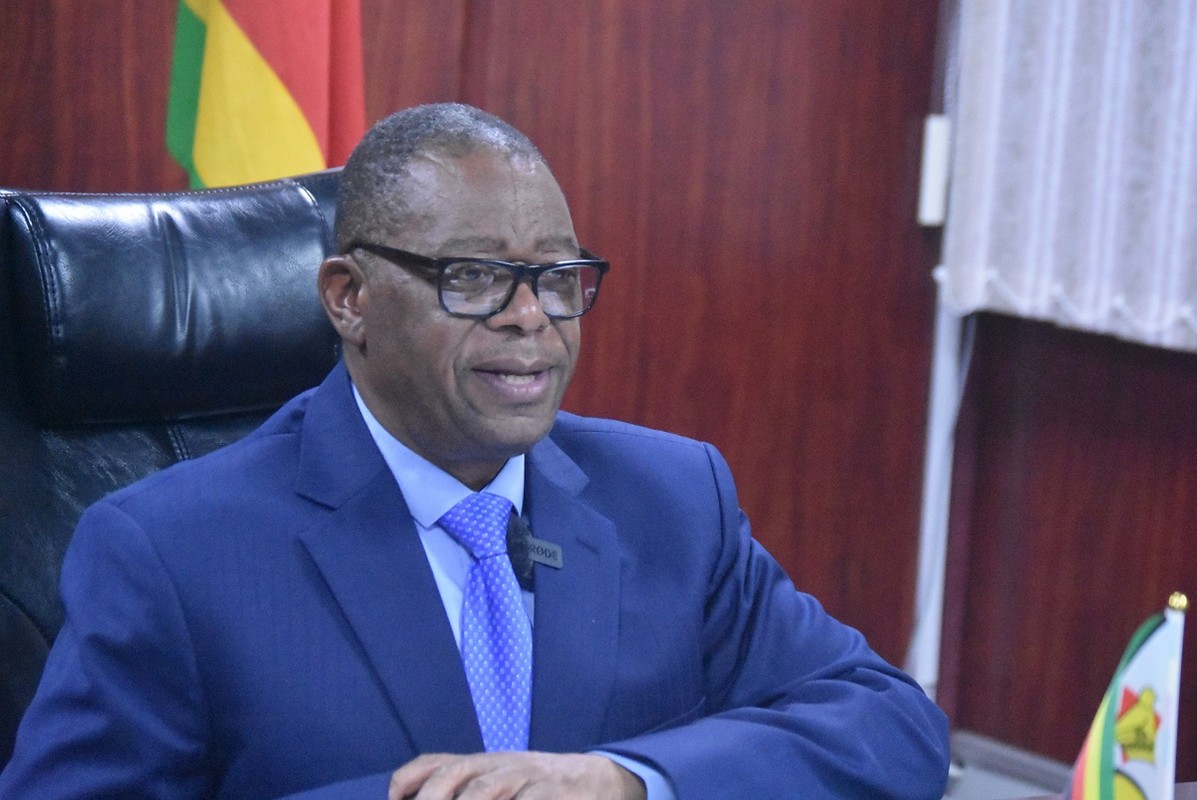
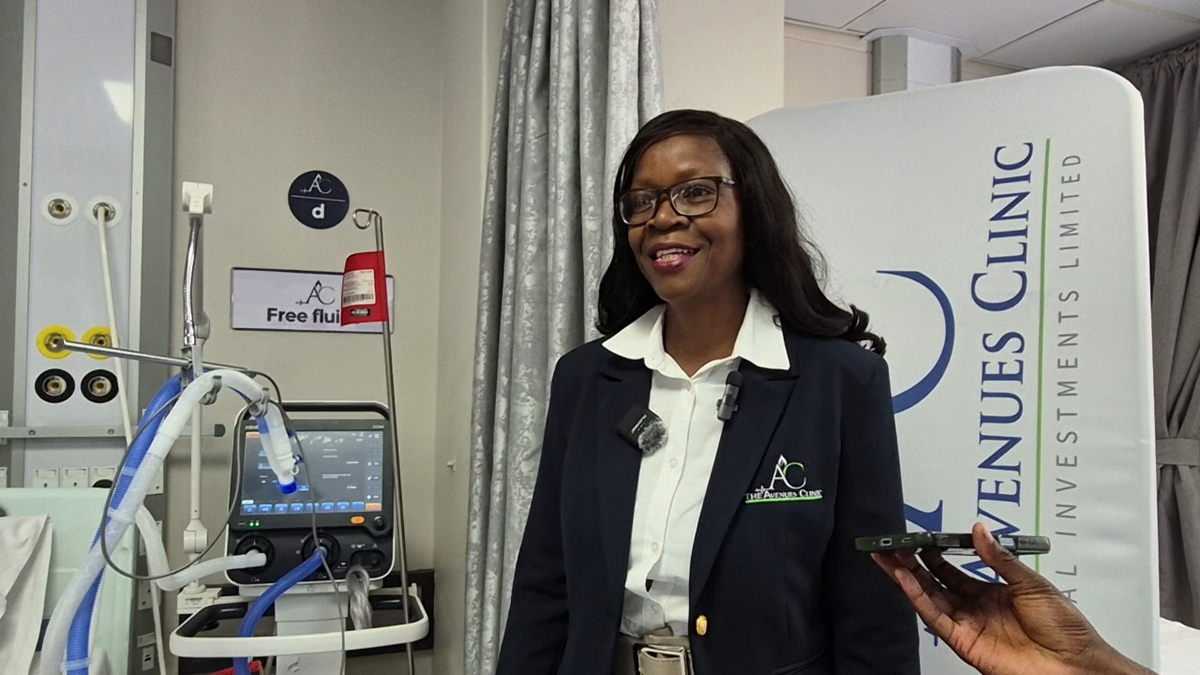
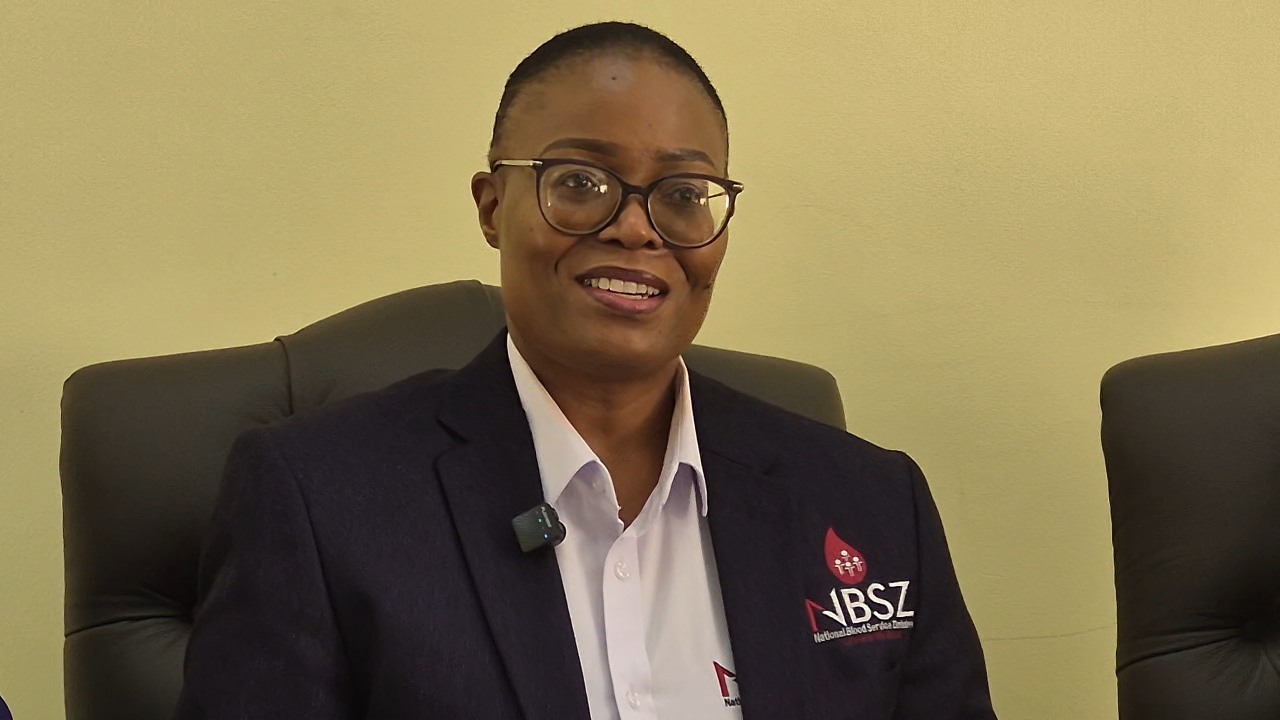
Speaking ahead of the commemorations, NBSZ chief executive officer Ms Lucy Marowa said the event remains a key moment to honour voluntary, unpaid blood donors who continue to sustain the country’s health system.
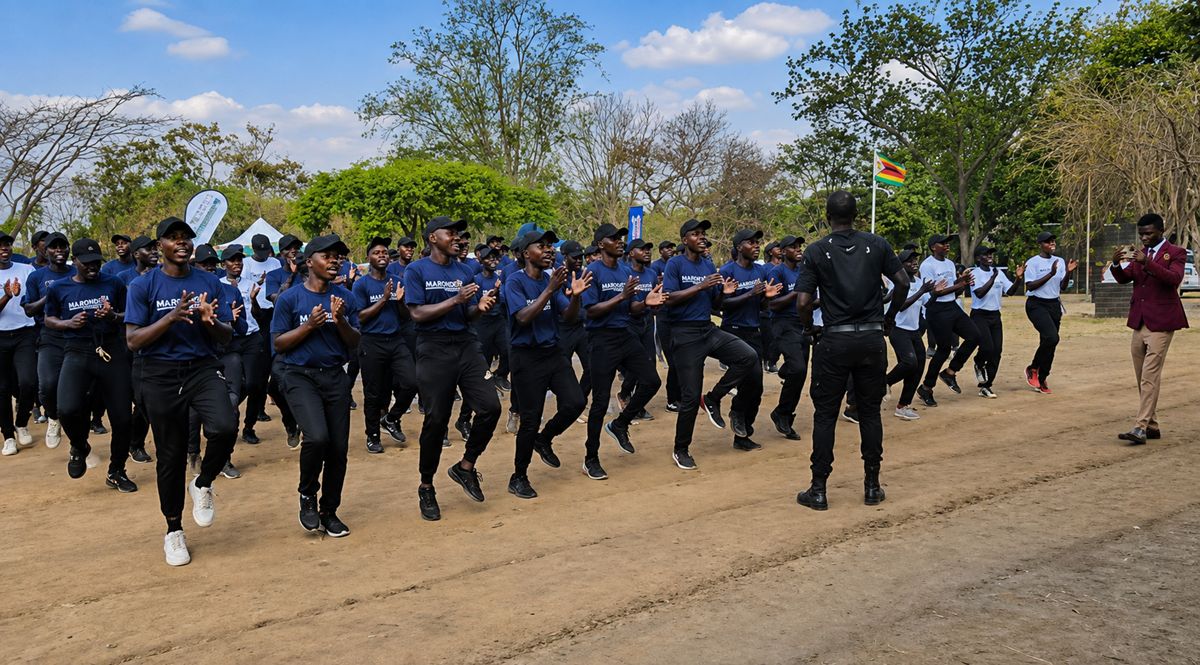
She said the organisation deliberately rotates provincial hosting of the event to bring celebrations closer to communities with strong donor participation.
“This is a very special moment on our calendar where we celebrate the gift of life from voluntary blood donors who give selflessly without expecting anything in return,” Ms Marowa said.
She said this year’s commemorations will be held under the global theme “One Drop of Humanity: Give Blood, Save Lives,” which underscores the collective impact of individual donations.
According to Ms Marowa, the decision to host the event in Bulawayo reflects NBSZ’s commitment to engaging donors directly, particularly school-based and community donors in Matabeleland North and surrounding areas.
“We chose to celebrate this day among the donors themselves. It is important for us to be present where our heroes are, to appreciate them and to strengthen the culture of donation,” she said.
Ms Marowa said each unit of blood donated contributes to saving lives of patients in need, including accident victims, mothers experiencing complications during childbirth, children with cancer, and patients with chronic illnesses.
She added that blood donation represents a powerful act of solidarity, where small individual contributions combine to form a “lifesaving river” across the country’s health system.
The NBSZ boss also highlighted recent investments in blood safety, including the introduction of nucleic acid testing technology, supported through collaboration with the Ministry of Health and Child Care and the National AIDS Council.
She said the advancement has significantly improved the screening of infections such as HIV, hepatitis B, hepatitis C and syphilis, reducing the diagnostic window period and improving transfusion safety.
“Technology alone cannot save lives without donors. Blood must first be available before it can be tested and safely issued,” Ms Marowa said.
She expressed gratitude to government and development partners for continued support, noting that partnerships with both public and private stakeholders have strengthened the national blood programme.
Ms Marowa also appealed for increased public participation in blood donation, urging both regular and first-time donors to step forward ahead of the commemorations.
“We encourage those who have never donated to consider starting, and those who used to donate to return. Every donation counts and can make the difference between life and death,” she said.
She further called on the media to responsibly report on blood stock levels and donation campaigns in order to avoid unnecessary panic while encouraging sustained donor engagement.