Michael Gwarisa in Bulawayo
Mpilo Central Hospital’s HIV laboratory has transitioned to 100 percent solar power, a development health officials say is improving the quality of HIV viral load samples, reducing testing failures, and strengthening patient care for thousands of people living with HIV in Zimbabwe.
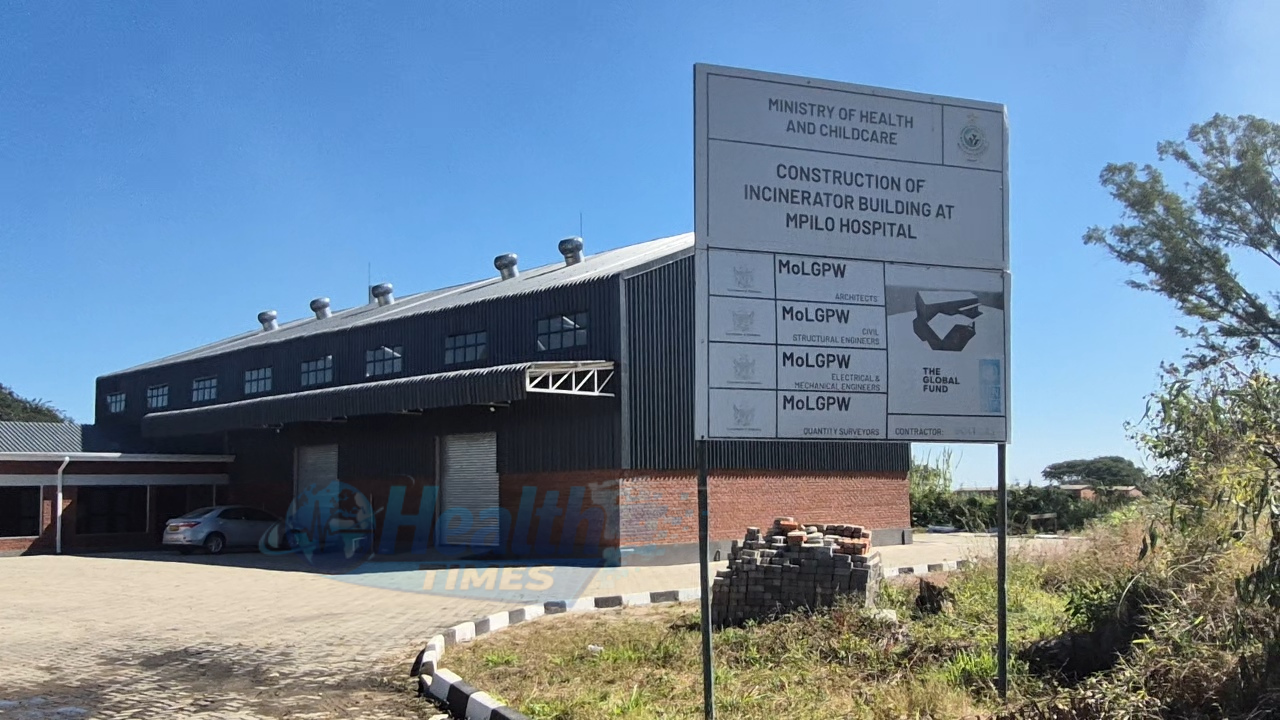
The upgrade was carried out under a Ministry of Health and Child Care (MoHCC) programme financed by the Global Fund and implemented by the United Nations Development Programme (UNDP) through the COVID 19 Response Mechanism (C19RM). Officials say the investment is now playing a critical role beyond the pandemic by improving the country’s HIV diagnostic systems and protecting essential health services from persistent electricity disruptions.
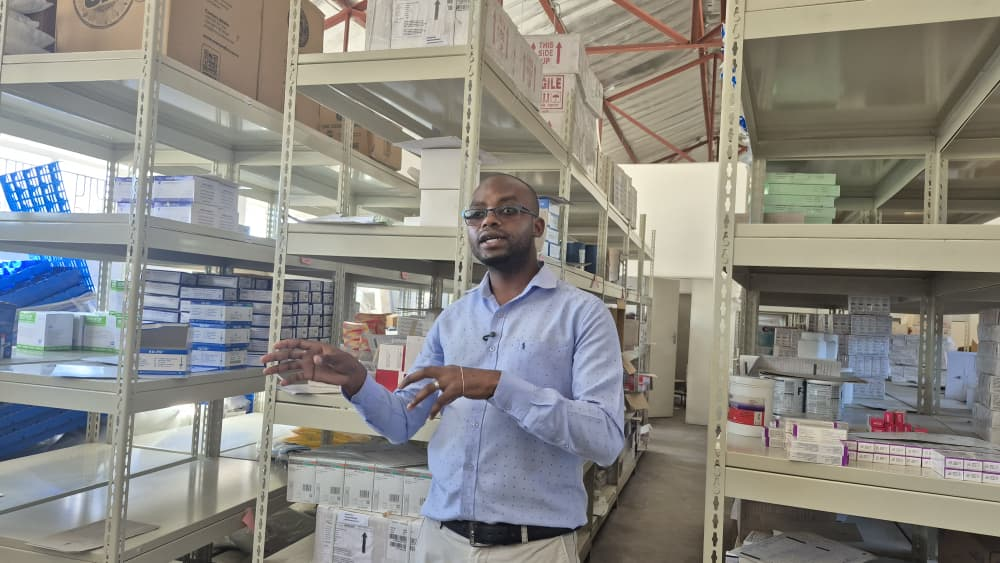
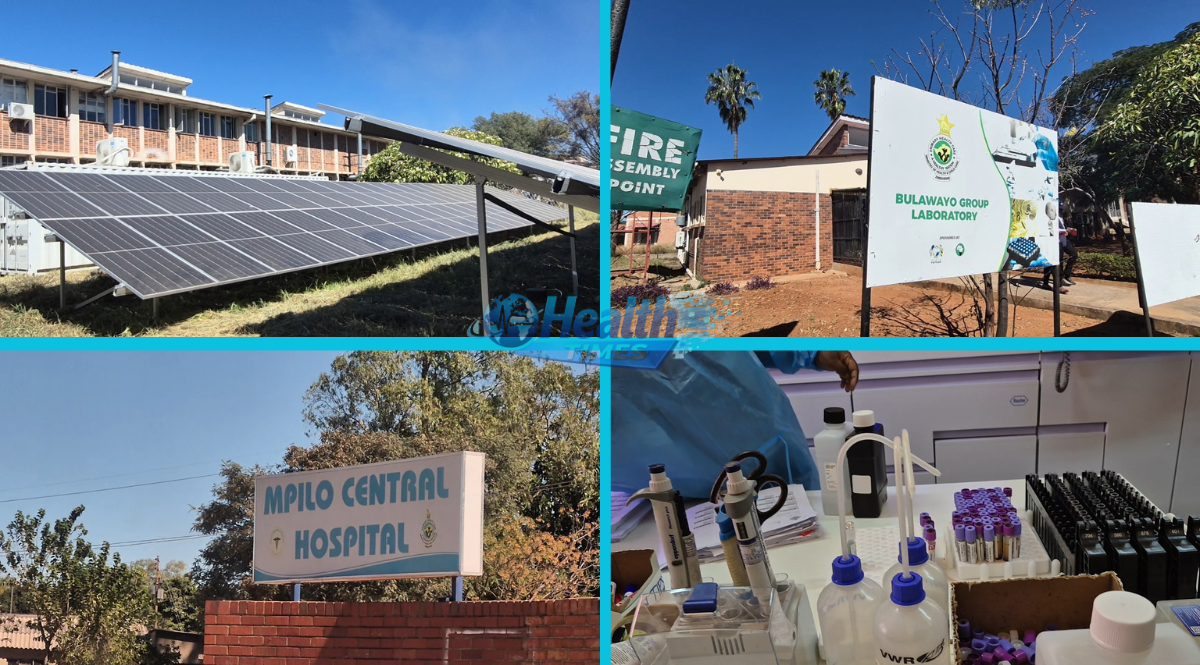
At the centre of the transformation is Mpilo’s HIV laboratory, one of Zimbabwe’s major referral testing centres, where Acting Chief Medical Laboratory Scientist Mrs Siphumuziwe Mangena says uninterrupted electricity has significantly improved the integrity and quality of viral load samples processed at the facility.
“So this is our HIV laboratory, this is the testing area where we have our COBAS H800 analyser together with the biologic platform. As an HIV laboratory, we are testing an average of 7,000 HIV viral load samples on a monthly basis,” said Mangena.
She explained that before the solar installation, frequent power outages were disrupting testing processes and damaging sample quality, resulting in failed tests and delayed patient management.
“Initially, we had challenges with power outages whereby our only backup was the generator, which was not really effective when it came to power backup,” she said.
Mangena said viral load testing is one of the most critical pillars of the HIV response because it helps clinicians determine whether antiretroviral therapy is effectively suppressing the virus in a patient’s body. Poor quality samples or interrupted testing can delay treatment decisions and place patients at risk.
“The outages were contributing to a high failure rate where we were having more than five percent of specimens failing after testing, where we are not getting a result to the patient,” she said. “This really impacted our patients because of delays in patient management because they did not get their results as the tests would fail due to power outages.”
According to HIV experts, viral load testing measures the amount of HIV in the blood and is essential for monitoring treatment success, detecting treatment failure early, and preventing HIV transmission. For countries like Zimbabwe, which has made significant progress toward epidemic control, maintaining reliable laboratory systems is crucial for sustaining gains in the HIV response.
Mangena said stable solar energy has now drastically reduced laboratory interruptions and improved the reliability of results being issued to patients and clinicians.
“After doing a trend analysis, we noticed that since the connection of the solar system, our failure rate due to power outages has significantly reduced,” she said. “We can still have other failures maybe connected to machine hardware, but not because of electricity outages. We are really grateful for the solar connections assisted by the Ministry of Health and UNDP.”
The laboratory is now capable of handling more than 1,000 samples daily using high throughput testing platforms. Mangena said the increased capacity means Mpilo can process HIV viral load samples and early infant diagnosis tests without referring specimens to other laboratories.
“This is a high throughput machine which can test more than 1,000 samples a day while the other can test around 400 samples during the day,” she said. “We now have the capacity to run HIV viral load testing and early infant diagnosis locally. We are no longer referring samples to other countries or laboratories.”
Health officials say reliable electricity is particularly important in HIV laboratories because viral load samples require strict handling conditions and uninterrupted testing systems to preserve accuracy. Any disruption can compromise results and affect treatment monitoring.
The Ministry of Health and Child Care is coordinating the broader Solar for Health initiative through Global Fund financing and implementation support from UNDP. Since 2020, Zimbabwe has received more than US$180 million through the C19RM programme to support pandemic response and strengthen health systems.
The funding has supported laboratory upgrades, diagnostic expansion, and installation of solar energy systems at health facilities across the country. Officials say the investments are now strengthening the resilience of Zimbabwe’s health system beyond COVID 19.
Mr Phenias Sithole, Acting Director of Operations at Mpilo Central Hospital, said the solar field installed at the institution now guarantees uninterrupted power supply to critical departments including the HIV laboratory.
“The solar is now powering the HIV laboratory, which is also a regional laboratory,” said Sithole. “At the moment our HIV laboratory is 100 percent on solar while the main laboratory is on solar at about 50 percent.”
He said the 350 kilowatt solar installation was specifically designed to protect lifesaving services from power disruptions.
“The prime objective was to power all the laboratories and the maternity unit extension,” said Sithole. “The substation at the facility was also upgraded, meaning new distribution panels were put in place to allow departments to remain on solar. If solar fails, the diesel generator automatically comes in and if that fails, then ZESA becomes the third option.”
UNDP Zimbabwe Resident Representative Dr Ayodele Odusola said the Solar for Health initiative has become one of the country’s most impactful health system strengthening interventions.
“Under the Solar for Health project, we targeted departments including laboratories, maternal health units, and cold chain facilities in the provinces,” said Dr Odusola. “As we speak, that initiative has touched more than 70 percent of health facilities in this country.”
He added that Zimbabwe’s solar powered health model is now attracting international attention.
“The Solar for Health initiative has attracted interest from about eight countries that want to learn from Zimbabwe’s experience,” he said. “The Global Fund also indicated that this is the largest Solar for Health project they have implemented.”