Michael Gwarisa
The United States has imposed emergency travel restrictions on travelers from Uganda, the Democratic Republic of Congo (DRC), and South Sudan following a growing outbreak of the rare Bundibugyo strain of Ebola, drawing concern from African health authorities who warned against punitive measures that could undermine outbreak response efforts.
In an order issued on May 18, the U.S. Centers for Disease Control and Prevention (CDC) suspended for 30 days the entry of certain non-U.S. citizens who have been in Uganda, DRC, or South Sudan within the past 21 days. The restrictions were issued under Sections 362 and 365 of the U.S. Public Health Service Act, authorities commonly associated with “Title 42” emergency public health powers.
“The order is necessary to protect the health of the United States from the serious risk posed by the introduction of Ebola disease,” the CDC said in the order, citing concerns that infected travelers could enter the country during the virus’s incubation period.
The move comes as the World Health Organization and Africa CDC intensify efforts to contain the outbreak, which is centered in eastern DRC’s Ituri Province and has already spread into Uganda.
According to Africa CDC, the outbreak has already caused at least 80 deaths in DRC, with hundreds of suspected cases under investigation. Uganda has confirmed imported cases and a single death linked to travel from eastern Congo, including one case detected in Kampala.
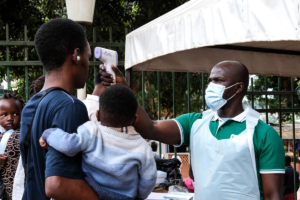
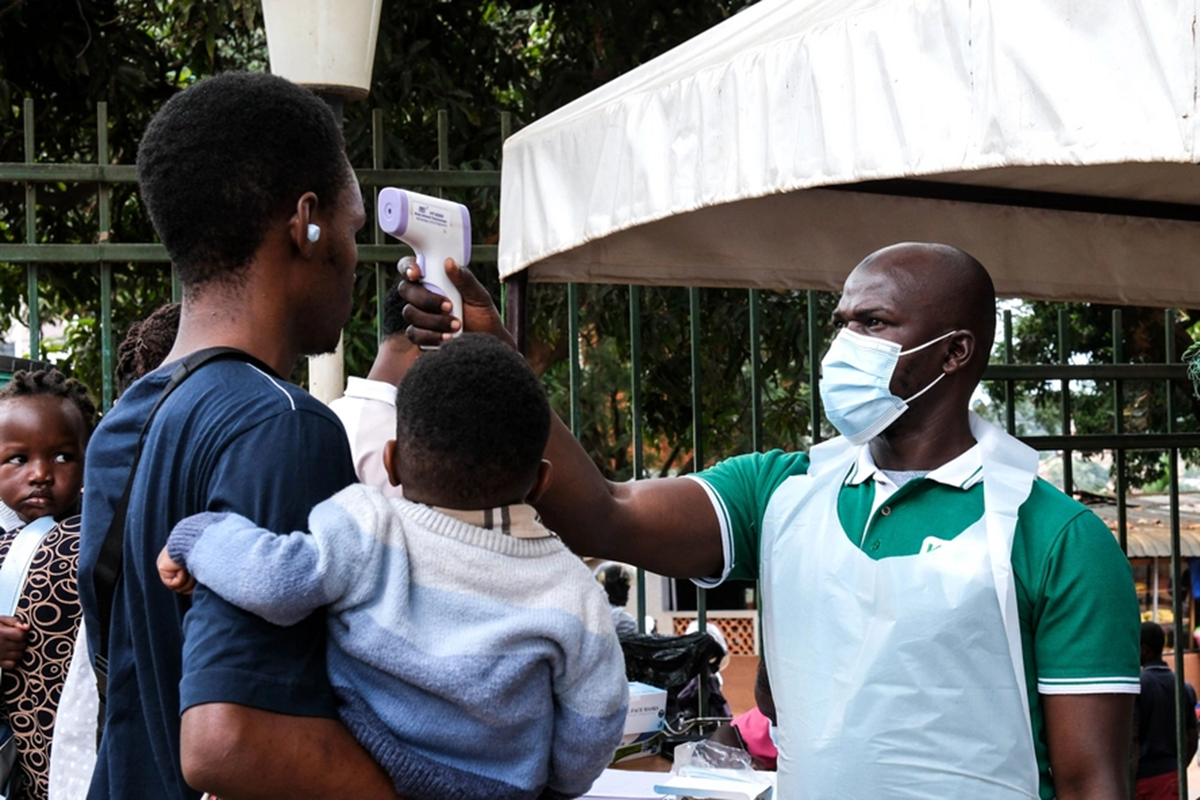
According to the CDC, enhanced screening measures and traveler monitoring have already been activated at U.S. ports of entry, while federal authorities are coordinating with airlines and international partners to identify travelers who may have been exposed to the virus. The agency said the outbreak poses unique risks because infected individuals can travel internationally for up to 21 days before symptoms appear.
The CDC also confirmed that one American working in DRC tested positive for Ebola and is being transferred to Germany for treatment. The agency, however, stressed that the immediate risk to the American public remains low.
The restrictions triggered a sharp response from Africa CDC, which warned that punitive travel measures could discourage transparency during outbreaks.
In a statement issued Tuesday, Africa CDC said it “takes note” of the U.S. decision to impose entry restrictions and Level 4 travel advisories but stressed that “Africa is safer when the world invests in African health security, trusts African institutions, and works with Africa as a full partner.”
The continental health body said it had moved rapidly to coordinate regional surveillance and emergency response measures after confirming that the outbreak had spread across borders into Uganda.
Africa CDC on Monday declared the outbreak a Public Health Emergency of Continental Security, a designation aimed at mobilising political attention and cross-border coordination among African Union member states.
The current outbreak involves the Bundibugyo strain of Ebola, a rarer form of the virus first identified in Uganda in 2007. Unlike the more common Zaire strain, there are currently no widely approved vaccines or antiviral treatments specifically targeting Bundibugyo Ebola.
Africa CDC Director-General Dr Jean Kaseya criticised the restrictions, warning that penalising African countries for transparency during outbreaks could undermine global health security efforts.
“Africa stood transparent from day zero of the recent Ebola outbreak. We declared the outbreak early, coordinated rapidly, and continuously informed the world,” Kaseya said in a statement posted on LinkedIn.
“Global health security cannot succeed if countries are penalized for transparency during outbreaks,” he added.
Kaseya said the response to Ebola should focus on “rapid investment in response capacity, stronger health systems, scientific collaboration, and solidarity with affected communities” rather than “stigma or isolation.”
The remarks appeared to be a direct response to the U.S. decision to suspend entry for certain travelers from Uganda, DRC and South Sudan under emergency public health powers.
Public health experts have long warned that sweeping travel restrictions during outbreaks risk discouraging countries from reporting cases early, potentially weakening global disease surveillance systems during fast-moving epidemics.
The U.S. restrictions will remain in effect while the CDC conducts a broader risk assessment and develops what it called a “comprehensive mitigation and containment strategy.”