Michael Gwarisa
Zimbabwe has spent US$27 million raised through the sugar tax on the first phase of a major cancer equipment procurement programme aimed at transforming diagnosis and treatment services in public hospitals.
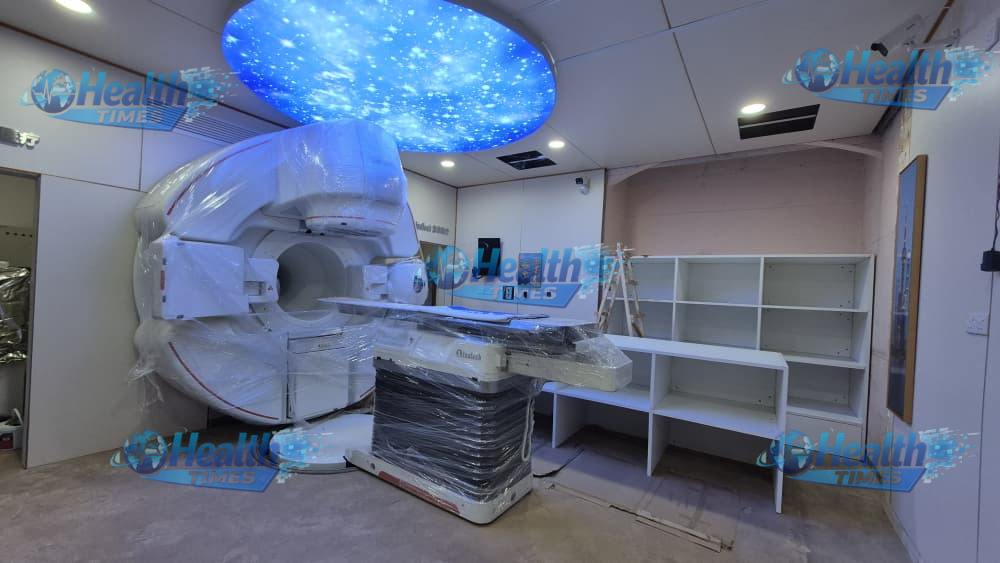
The latest consignment includes two high-capacity multi-energy radiotherapy machines weighing about 22 tonnes, which are expected to significantly strengthen the country’s cancer treatment capacity.
The equipment is part of a broader programme funded through the sugar content tax introduced in the 2024 National Budget, a move that Government says is already delivering tangible benefits to the health sector.
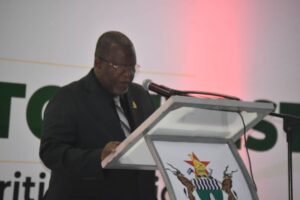
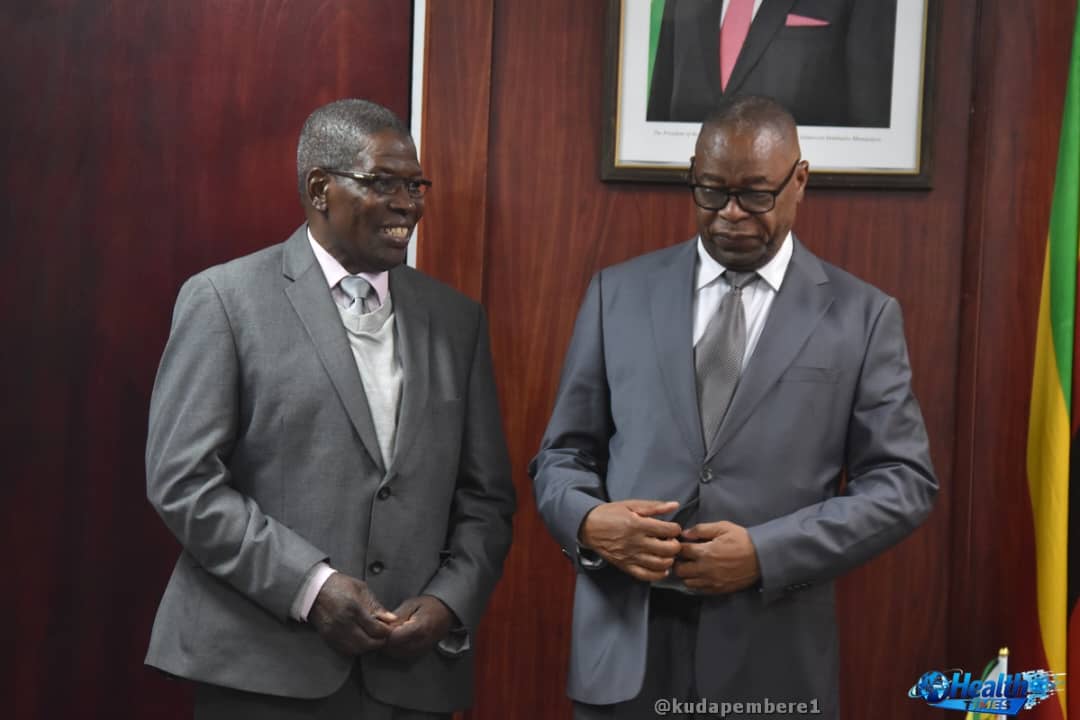
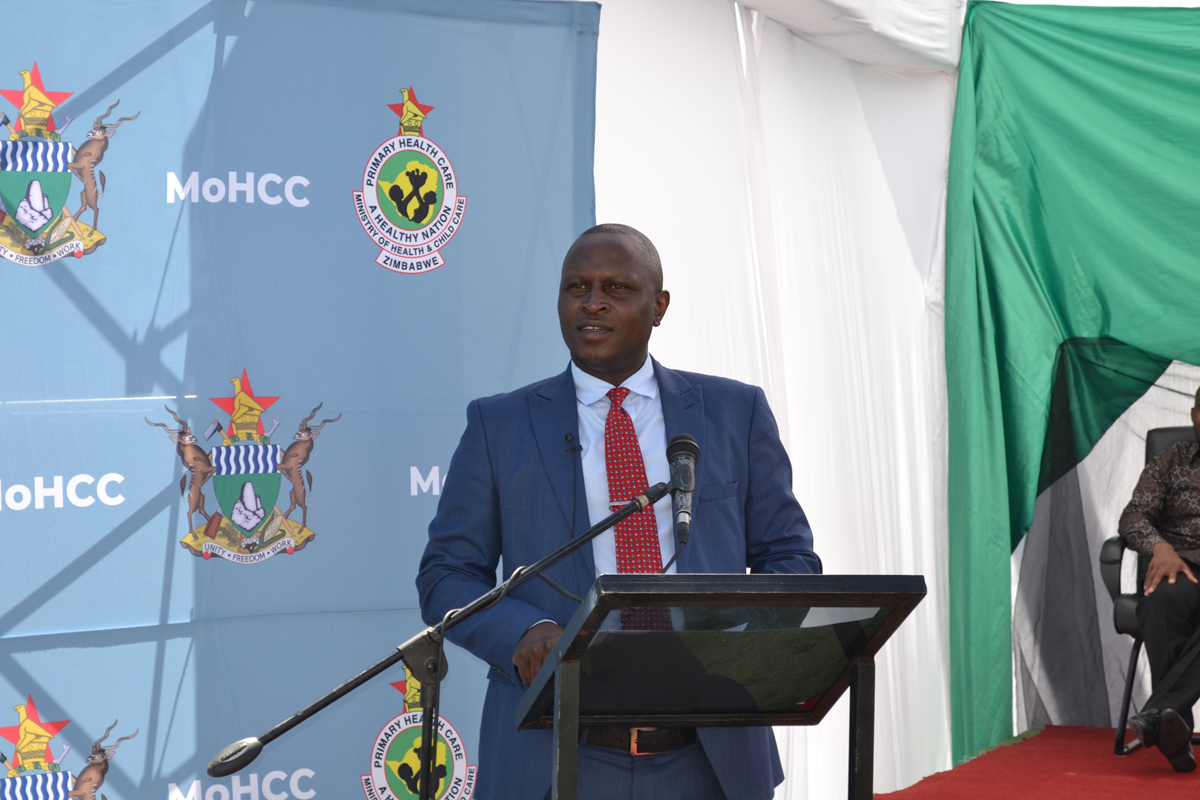
Speaking during a tour of Parirenyatwa Group of Hospitals, Health and Child Care Minister Dr Douglas Mombeshora said Zimbabwe had already received the first batch of radiotherapy equipment and installation was now underway.
“So far in the first phase, we procured four machines. Two are multi-energy and two are low-energy machines. This machine at Parirenyatwa is a low-energy machine. The total cost came to about US$27 million,” said Dr Mombeshora.
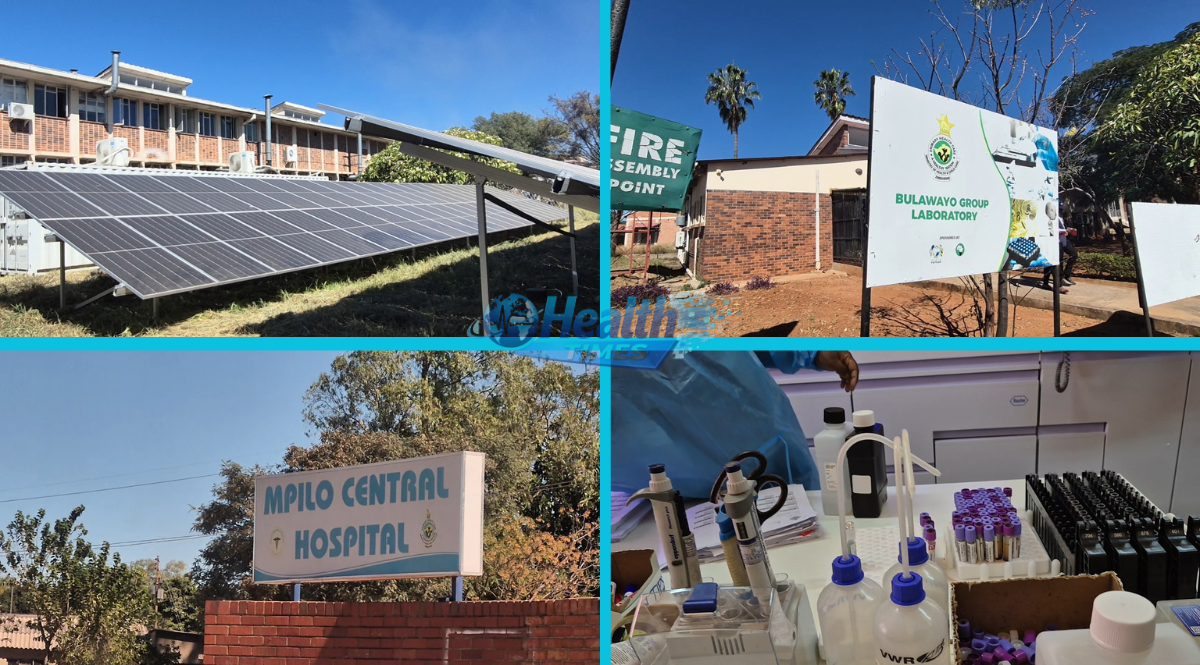
Installation of the first machine at Parirenyatwa has already commenced and authorities expect it to begin treating patients by the end of this week. Another machine is being installed at Mpilo Central Hospital in Bulawayo.
The arrival of the two multi-energy radiotherapy machines will complement the two low-energy units already in the country and expand treatment options for cancer patients.
Government officials said the decision to airlift the final batch followed concerns that escalating geopolitical tensions in the Middle East, particularly around the strategic Strait of Hormuz shipping route, could delay delivery timelines.
The procurement forms part of President Emmerson Mnangagwa’s drive to modernise public health institutions and improve access to specialised treatment under the National Development Strategy 2 and Vision 2030.
Beyond radiotherapy equipment, the programme includes the acquisition of advanced diagnostic technologies aimed at improving early cancer detection.
“There are also two CT scan machines which help in treatment planning. One will be installed here and another at Mpilo. This is the first phase. In the second phase, we are procuring mainly diagnostic machines which will aid in the diagnosis of cancers,” Dr Mombeshora said.
He said early diagnosis remained critical in improving treatment outcomes.
“Most of our cancers are diagnosed late, usually at Stage Three or Stage Four, which makes treatment very difficult. We are expecting MRI scanners, more CT scanners, advanced X-ray machines and ultrasound equipment. We are also bringing in a brachytherapy machine for the treatment of cervical and prostate cancers.”
According to Dr Mombeshora, Zimbabwe currently has a backlog of approximately 800 cancer patients waiting for treatment, a challenge he believes will be significantly reduced once the new equipment becomes fully operational.
“Our cancer treatment centres are going to be much improved. We hope these machines will greatly reduce the backlog and improve access to treatment,” he said.
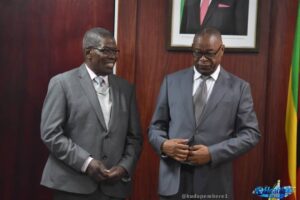
Finance, Economic Development and Investment Promotion Minister Professor Mthuli Ncube said the successful procurement demonstrated the impact of ring-fencing health taxes for specific public health interventions.
“I am pleased to see this progress, that the tax on sugar content in beverages is being put to good use as intended. This radiotherapy machine has been delivered, is being installed and will begin operations soon,” said Prof Ncube.
Addressing suggestions that sugar tax revenues were not being protected for health spending, Prof Ncube said the funds were ring-fenced and were already financing the procurement of critical medical equipment.
“The sugar tax is already ring-fenced. That is exactly what we are using to buy these machines. Every month and every year we continue to raise resources which go towards further procurement of equipment, drugs and other materials required to strengthen our healthcare system.”
The latest investment comes barely a month after President Mnangagwa commissioned refurbished facilities at Parirenyatwa Group of Hospitals, reaffirming Government’s commitment to systematically upgrading health infrastructure across the country.