Michael Gwarisa
Zimbabwe has established three Ebola isolation and treatment centres in Harare, Bulawayo and Chirundu as part of a nationwide preparedness response, even as the country confirms that no cases of Ebola Virus Disease have been reported locally.
The Ministry of Health and Child Care says the move is a precautionary measure in response to ongoing outbreaks in the Democratic Republic of Congo and Uganda, which have raised regional concern due to increased cross-border movement within the Southern African Development Community.
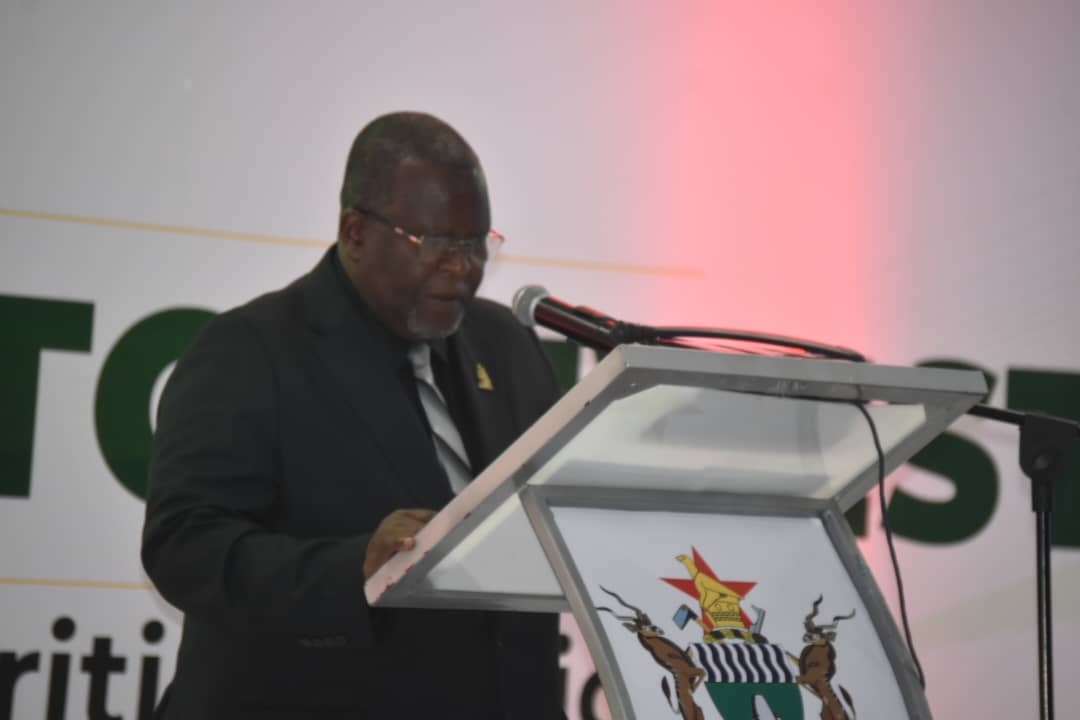
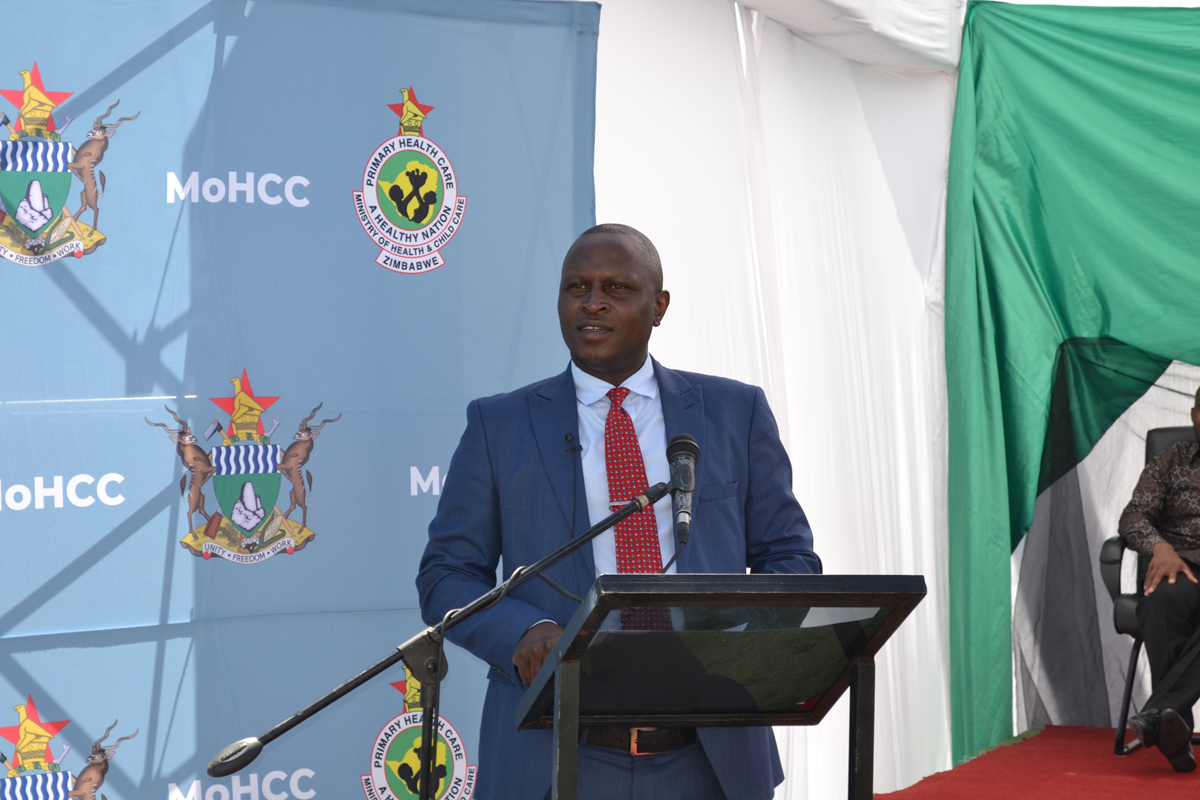
Health and Child Care Minister Dr Douglas Mombeshora said Zimbabwe remains on high alert despite being Ebola-free.
“There are currently no reported cases of Ebola Virus Disease in Zimbabwe. However, given the high volume of human movement within the SADC region, Zimbabwe remains on high alert,” said Dr Mombeshora.
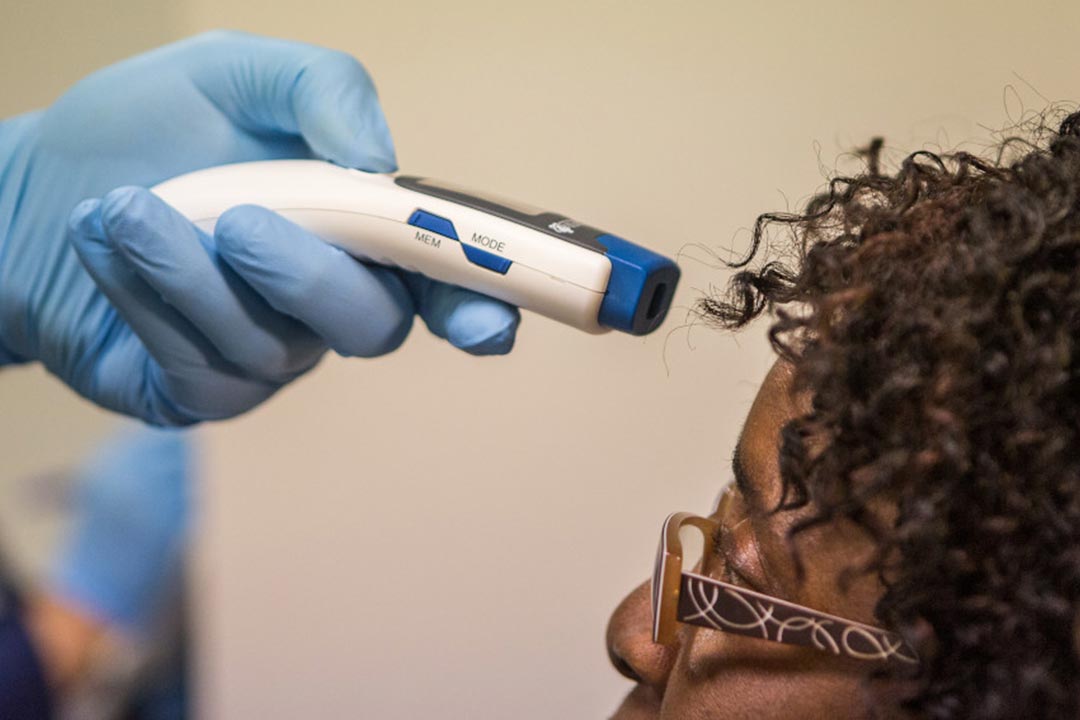
Cabinet reviewed the national Ebola preparedness and response plan on 27 May 2026 and directed all Ministries, Departments and Agencies to maintain full readiness. Following that directive, the Incident Management System has been activated, with intensified surveillance and screening at all ports of entry.
The Ministry confirmed that three isolation and treatment centres have been designated in Harare, Bulawayo and Chirumanzu, with specialised transport systems on standby for rapid response in the event of suspected cases. Health workers are also undergoing continuous training in early detection, infection prevention, and clinical management of viral haemorrhagic diseases.
Personal protective equipment has been pre-positioned in key locations to ensure immediate deployment if needed, while emergency coordination systems remain active at both national and provincial levels.
Health authorities say Ebola Virus Disease is transmitted through direct contact with the blood or bodily fluids of a symptomatic infected person or contaminated materials. Symptoms include fever, severe headache, muscle pain, weakness, vomiting, diarrhoea, abdominal pain, and in severe cases, unexplained bleeding.
Officials emphasised that Ebola is not contagious before symptoms appear, a factor that strengthens the effectiveness of surveillance, isolation and contact tracing systems currently in place.
There is currently no approved vaccine for the Bundibugyo strain responsible for the regional outbreak, and no specific cure, with treatment remaining supportive and most effective when administered early.
Zimbabwe’s preparedness framework is aligned with World Health Organization and Africa Centres for Disease Control and Prevention guidelines.
The Ministry has urged members of the public to remain vigilant and to seek immediate medical attention if they develop symptoms consistent with Ebola, especially following travel to affected countries or contact with suspected cases.
Citizens are also being encouraged to maintain hygiene practices, avoid direct contact with bodily fluids of suspected cases, and rely only on verified government health information.
Health authorities have warned against self-medication and unregulated treatment, stressing that Ebola can only be safely managed within formal health systems by trained professionals.
Traditional leaders, faith leaders, and community health workers have been identified as key partners in supporting awareness and early reporting as Zimbabwe strengthens its national defence against potential importation of the disease.