Michael Gwarisa
Zimbabwe marked World Health Day amid renewed calls for stronger commitment to health as a fundamental human right, with the United Nations Population Fund (UNFPA) urging urgent action to end preventable maternal deaths.
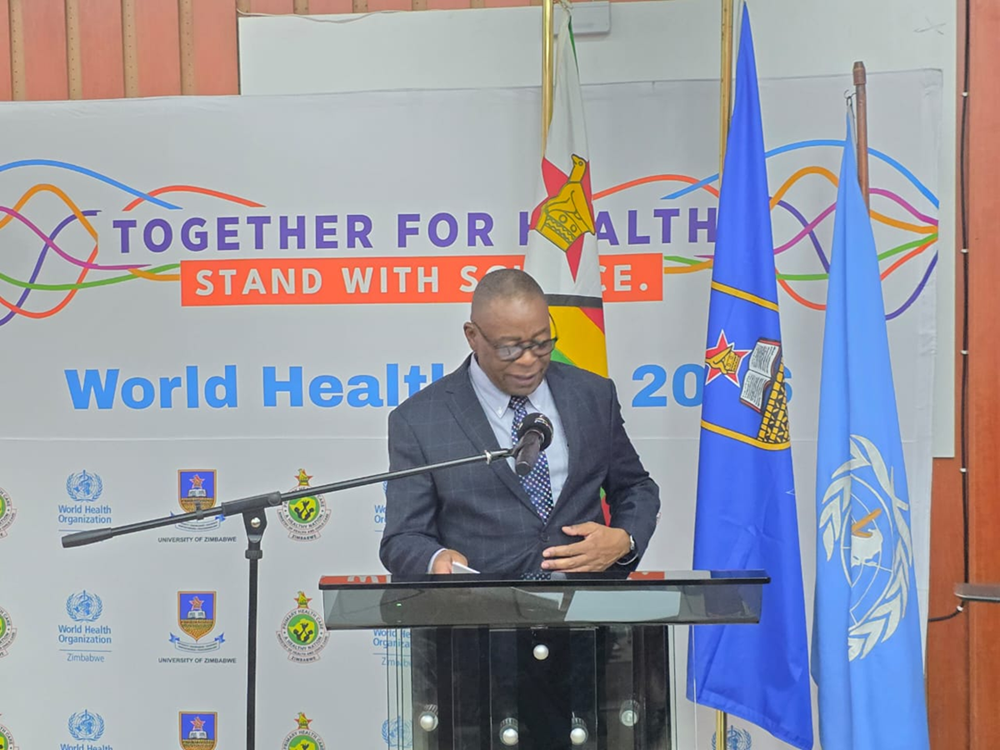
The commemorations were held under the theme “Together for Health. Stand with Science,” which officials said underscores the need for evidence-based policymaking and stronger collaboration between governments, researchers, health workers and communities.
Speaking at the event, Health and Child Care Minister Dr Douglas Mombeshora said science remains central to building resilient health systems capable of responding to emerging and long-standing public health challenges.
He noted progress in immunisation, surveillance systems, laboratory networks and health research, but warned that inequalities in access to healthcare and rising disease burdens continue to strain the system.
“Science alone is not enough. For scientific knowledge to make a difference, it must be embraced by governments, trusted by communities, and translated into policies and actions that improve people’s lives,” said Dr Mombeshora.
The minister said emerging threats such as antimicrobial resistance, non-communicable diseases and climate-related health risks require coordinated multisectoral responses, including the adoption of the One Health approach, which links human, animal and environmental health.
He also called for increased investment in health research, evidence-based decision-making and health workforce development, saying these remain critical pillars of a strong health system.
“Strengthening health research and innovation, promoting evidence-based policy, building partnerships, investing in our health workforce, and encouraging public trust in science are not optional. They are necessary for the future of our health system,” he said.
Dr Mombeshora urged policymakers, scientists and health professionals to strengthen collaboration in translating scientific knowledge into practical health solutions.
“Together, we can build stronger health systems. Together, we can confront emerging health challenges. And together, through science, we can secure a healthier future for all,” he said.
Despite progress in some areas of public health, Zimbabwe continues to face challenges including shortages of skilled health workers, rising non-communicable diseases and unequal access to healthcare services, particularly in rural areas. Health experts warn that these gaps could slow progress towards universal health coverage unless addressed through sustained investment and policy reform.
The commemoration also highlighted the role of science in transforming public health outcomes globally, with vaccines, diagnostics and modern treatments credited for reducing mortality and improving life expectancy. Officials said Zimbabwe’s ongoing efforts in disease surveillance and immunisation have strengthened its capacity to respond to outbreaks and improve maternal and child health outcomes.
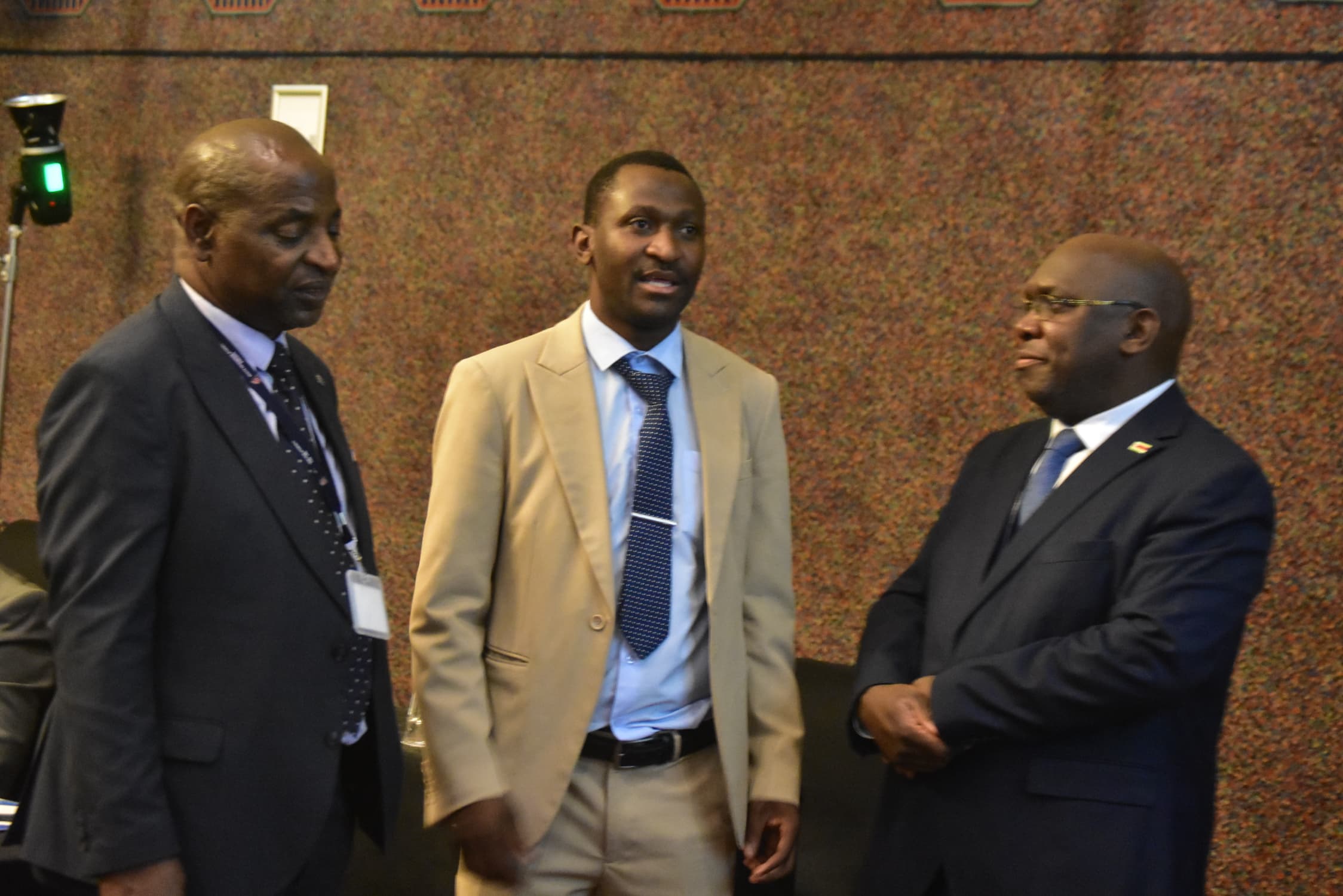
Speaking on the sidelines of the event, World Health Organization (WHO) Representative to Zimbabwe Dr Desta Tiruneh said this year’s commemorations placed a strong emphasis on science and evidence as the foundation for informed decision-making and effective healthcare interventions.
He said institutions such as the University of Zimbabwe are playing a critical role in training young professionals whose knowledge and skills must ultimately translate into practical solutions that improve people’s lives.
Dr Tiruneh said exhibitions held during the commemorations showcased encouraging efforts to convert research and innovation into action, including technologies, medicines and healthcare interventions developed to address health challenges in the country.
“The focus of these celebrations is on science and evidence to inform what we do. What we have seen today demonstrates that there are significant efforts being made to translate knowledge into action through innovations and interventions that can improve the lives of people in Zimbabwe,” he said.
He added that the health sector continues to benefit from initiatives that apply proven scientific evidence to strengthen healthcare delivery and improve outcomes.
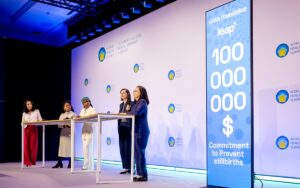
Speaking on the sidelines of the event, UNFPA Zimbabwe Representative Miranda Tabifor said World Health Day should serve as a reminder of health as a fundamental human right and called for urgent action to strengthen health systems and eliminate preventable maternal deaths so that every woman, newborn and young person can live healthy and dignified lives.
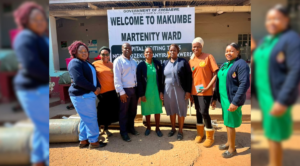
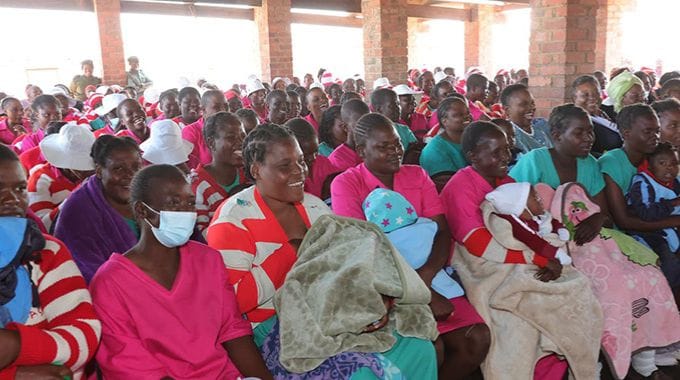
“UNFPA has supported universal access to health by working with the Government of Zimbabwe to strengthen maternal, newborn, and reproductive health services. This includes training midwives and frontline health workers, supplying essential medicines and equipment, supporting health facilities, and expanding youth-friendly services, especially in rural and hard-to-reach communities,” said Tabifor.
She said the organisation, with support from development partners including the Governments of Britain, Ireland and the European Union through the Health Resilience Fund, has helped improve access to essential healthcare services across the country.
However, Tabifor noted that significant gaps remain and called for increased investment in maternal and newborn health, primary healthcare and adolescent health services. She also highlighted the need for stronger support systems for health workers, improved emergency obstetric care and well-functioning referral networks, particularly in underserved and rural communities, to accelerate progress towards ending preventable maternal deaths.