Michael Gwarisa
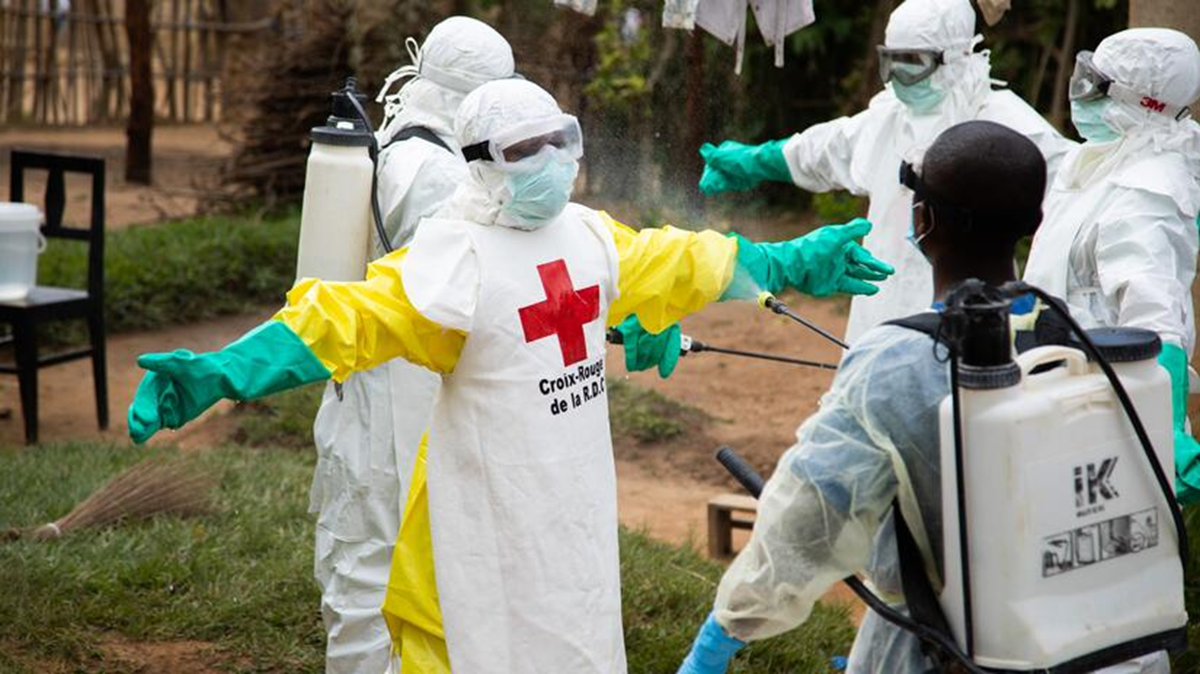
The World Health Organization (WHO) and the Africa Centres for Disease Control and Prevention (Africa CDC) have launched a US$517.7 million joint continental preparedness and response plan aimed at containing the ongoing Bundibugyo Ebola outbreak and preventing its spread across Africa.
The six-month plan, covering June to November 2026, seeks to strengthen surveillance, laboratory testing, treatment, community engagement and emergency response systems in affected and high-risk countries as health authorities race to contain what has become one of the largest Bundibugyo Ebola outbreaks ever recorded.
Launching the plan, WHO Director-General Dr Tedros Adhanom Ghebreyesus said the priority was to stop the outbreak at its source while ensuring neighbouring countries are prepared to respond rapidly should cases emerge.
“The objective is straightforward. We need to stop the outbreak where it is, support countries that are responding to the outbreak, and ensure that neighbouring countries are ready to detect and act quickly if cases appear,” said Dr Tedros.
He warned that the outbreak was evolving rapidly but expressed confidence that it could be brought under control through strong government leadership, community ownership and coordinated action among partners.
“The only way we will do that is through government leadership, community ownership and close partnership between the many actors on the ground. Today, WHO and Africa CDC are expressing that partnership by launching a joint continental preparedness plan,” he said.
WHO Regional Director for Africa Professor Mohamed Yakub Janabi said successful Ebola responses require strong national leadership and accountability.
“Ebola responses succeed only when led at the highest national level. This must be government-owned, government-directed and government-accountable. Partners, WHO, Africa CDC and others support and reinforce national actions,” he said.
Presenting the preparedness plan, Africa CDC Director-General Dr Jean Kaseya said the outbreak had already reached worrying proportions, with 397 confirmed cases and 63 deaths reported in the Democratic Republic of Congo (DRC) and Uganda as of June 3, 2026. The outbreak has also infected 34 health workers and affected two member states.
According to Africa CDC data, the DRC accounts for 381 confirmed cases and 62 deaths, while Uganda has reported 16 confirmed cases and one death. More than 5,000 contacts have been identified and placed under follow-up as response teams work to break chains of transmission.
Dr Kaseya warned that the current outbreak is already the largest Bundibugyo Ebola outbreak ever recorded, surpassing previous outbreaks in Uganda in 2007 and the DRC in 2012. The outbreak has expanded from one province and three health zones in the DRC in mid-May to three provinces and Uganda within just three weeks, highlighting the growing risk of cross-border transmission.
He said the preparedness plan was developed jointly by Africa CDC, WHO and key partners to ensure a coordinated continental response.
Built around the principle of “one plan, one budget, one team”, the initiative brings together WHO, Africa CDC, UNICEF, UNHCR, the World Food Programme, the International Federation of Red Cross and Red Crescent Societies and FIND, among other partners.
The plan focuses on 11 key response pillars, including coordination and governance, risk communication and community engagement, surveillance and cross-border monitoring, laboratory systems and genomic sequencing, case management and clinical care, infection prevention and control, vaccine and therapeutic access, research and innovation, logistics and workforce support, continuity of essential health services, and preparedness in high-risk countries.
A significant component of the strategy is strengthening preparedness in neighbouring countries where population movement and trade increase the risk of the virus spreading beyond affected areas. The plan also seeks to maintain routine health services that are often disrupted during major disease outbreaks.
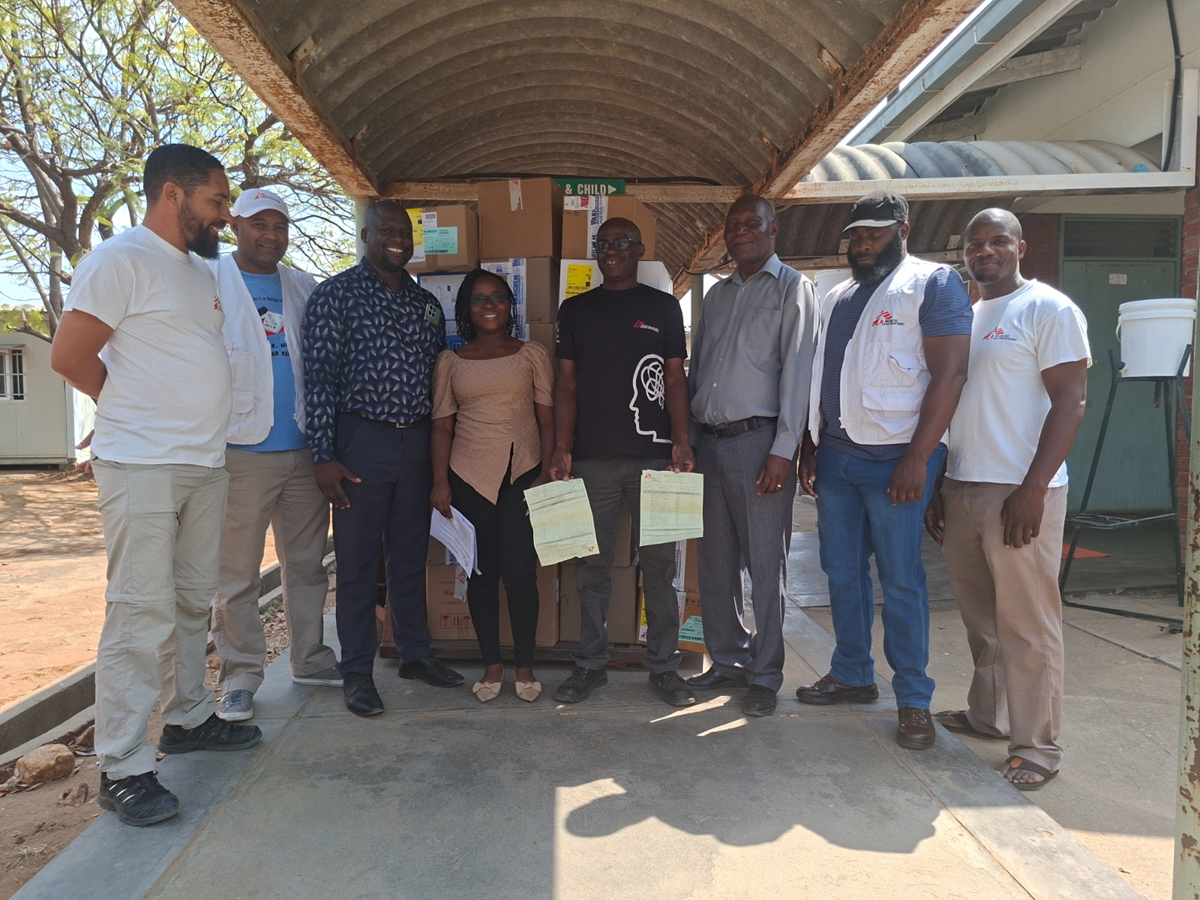
Dr Kaseya said substantial progress had already been made, including high-level political engagement with governments, activation of emergency management structures, deployment of multidisciplinary response teams, expansion of diagnostic capacity and the delivery of more than 200 tonnes of medical supplies by various partners.
The preparedness effort comes amid significant scientific challenges. Africa CDC noted that there is currently no licensed vaccine or treatment specifically approved for the Bundibugyo strain of Ebola, although several vaccine candidates and therapeutic options are under development.
To improve accountability and resource mobilisation, WHO and Africa CDC are establishing a joint financial tracking mechanism to monitor funding commitments, identify gaps and coordinate partner support throughout the implementation period.
Health authorities have classified the outbreak risk as very high within the DRC and high across the African continent, underscoring the urgency of mounting a coordinated response before further international spread occurs.