By Michael Gwarisa
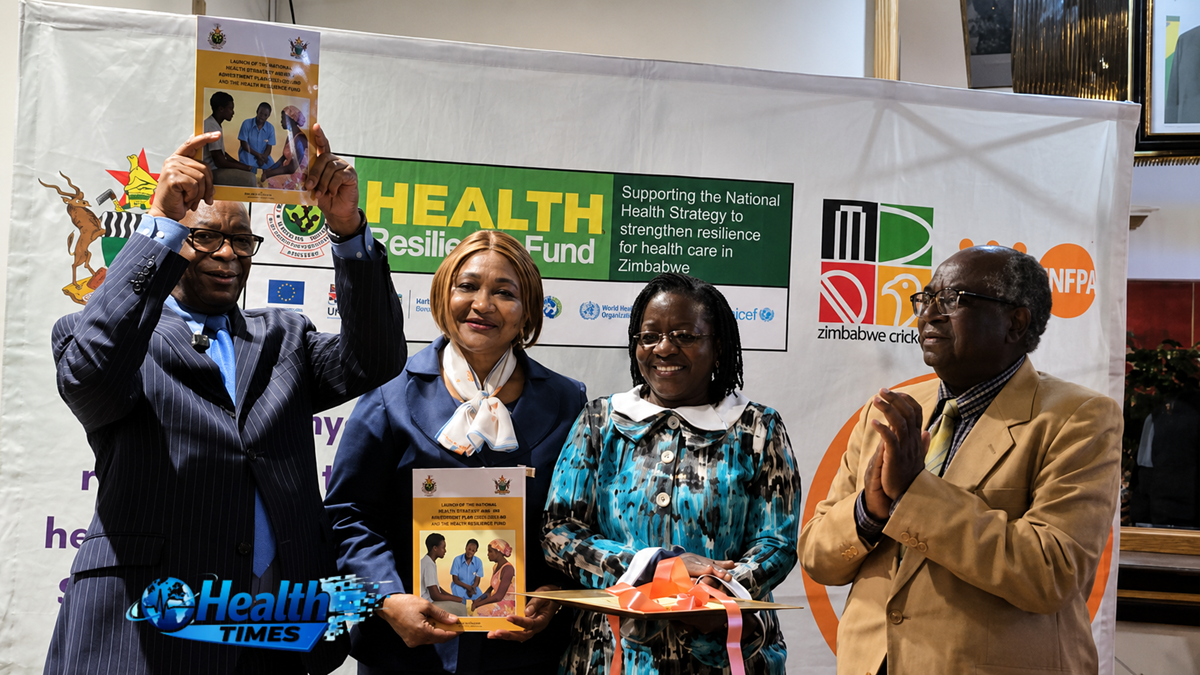
Zimbabwe has launched revised Clinical Guidelines on the Care and Management of Survivors of Sexual Violence, strengthening the country’s response to sexual violence and equipping healthcare workers with updated tools to provide comprehensive care in an evolving social environment.
The revised guidelines, unveiled by Minister of Health and Child Care Dr Douglas Mombeshora in Harare on Thursday, build on existing protocols that mandate survivor-centred care based on dignity, confidentiality and informed consent. Health facilities are also required to provide services free of charge and without requiring survivors to first obtain a police report.
The updated framework provides healthcare workers with a standardised approach to managing sexual violence cases across Zimbabwe’s health system while recognising that survivors include women, girls, men and boys of all ages.
Speaking at the launch, Dr Mombeshora said the guidelines represent more than a policy document and should translate into meaningful support for survivors seeking help.
“We are not merely launching a document. We are strengthening Zimbabwe’s commitment to ensure that every survivor of sexual violence receives timely, professional, compassionate and dignified care,” he said.
His remarks come at a time when sexual violence remains a significant public health and human rights concern in Zimbabwe. According to the 2023-24 Zimbabwe Demographic and Health Survey (ZDHS), 9 percent of women aged 15 to 49 have experienced sexual violence at some point in their lives, while 5 percent reported experiencing sexual violence in the 12 months preceding the survey. Although the prevalence has declined from 27 percent in 2010-11 and 14 percent in 2015, the figures underscore the continued need for prevention and survivor support interventions.
Dr Mombeshora said sexual violence leaves lasting physical, psychological and social consequences on survivors and their families.
“Behind every case is a human story. A child whose sense of safety has been shattered. A woman trying to rebuild her life. A boy or a man suffering in silence because of stigma and fear,” he said.
He noted that while women and girls remain disproportionately affected, the revised guidelines deliberately recognise that men and boys can also be victims of sexual violence and deserve the same quality of care, support and protection.
The Minister said healthcare workers often serve as the first point of contact for survivors and that the quality of care provided during the initial hours following an incident can significantly influence recovery, health outcomes and access to justice.
Rather than measuring the success of the guidelines by the number of copies distributed, Dr Mombeshora said the true test would be whether survivors are treated with dignity, receive timely care, find compassion and leave health facilities with hope.
The revised guidelines are also expected to strengthen coordination between the health sector, police, social welfare services, the judiciary, local authorities and community structures in responding to sexual violence.
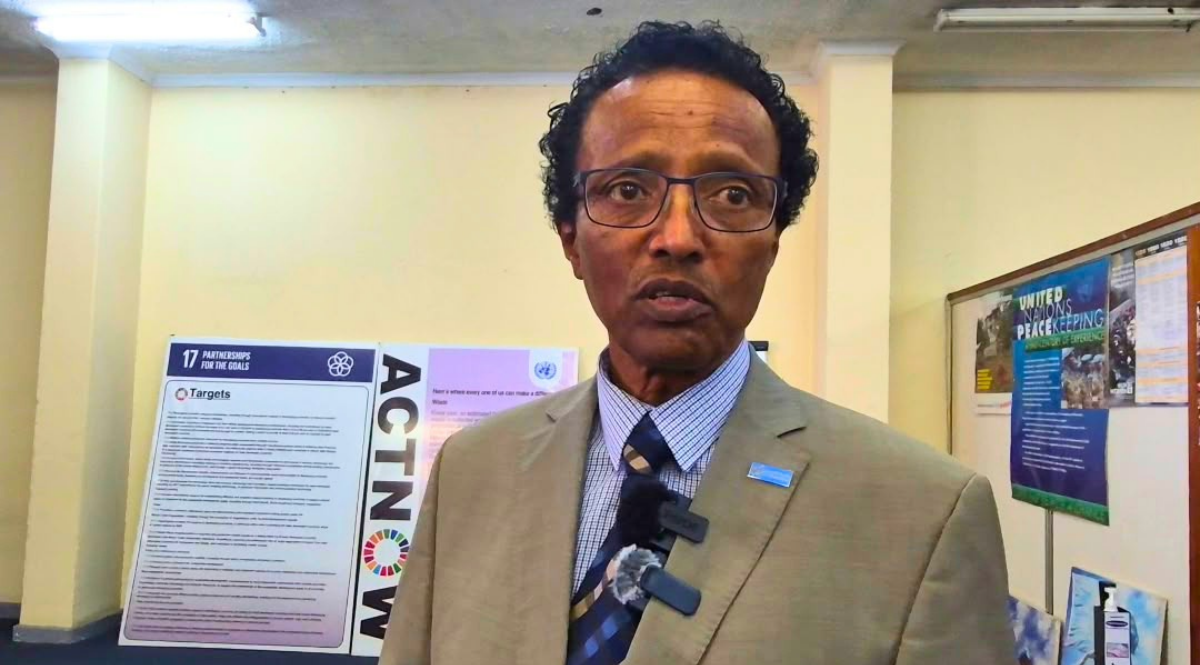
United Nations Population Fund (UNFPA) Country Representative Miranda Tabifiro welcomed the launch, saying the revisions were necessary to respond to changing realities and ensure health workers remain adequately equipped to support survivors.
“The country had guidelines before, but the technical teams saw a need to revise them in line with the evolving context and to equip health workers to continue doing the great job of bringing relief and comfort to survivors of sexual violence,” she said.
Tabifiro said addressing sexual violence requires a coordinated response that recognises the complexity of the problem and brings together multiple sectors.
She highlighted the role of One Stop Centres, which provide integrated services for survivors of sexual and gender-based violence, including medical care, psychosocial support and legal assistance.
According to UNFPA, support to the centres enabled more than 7,000 survivors to access direct services in 2025, while over 17,000 additional people were reached through community-based interventions and awareness programmes.
Tabifiro said the revised guidelines would strengthen services offered at the centres and help ensure survivors receive quality care regardless of where they seek assistance.
“As we celebrate these revised guidelines, we must remember that they are not just paper documents to be placed on shelves. They must be implemented step by step to achieve the impact we want to see on the ground,” she said.