By Kuda Pembere, recently in Shamva
When Rhoda (not her real name) fell in love with a 19-year-old artisanal miner at the age of 15, she believed she had found a future. Instead, she dropped out of school, became pregnant and was abandoned before her baby was born.
Today, at just 17, she is raising a two-year-old child alone while trying to rebuild a life she never imagined would unravel so quickly.
Her story mirrors a growing public health crisis in Mashonaland Central, where health officials, traditional leaders and community workers say artisanal mining, poverty and unequal relationships are driving teenage pregnancies, school dropouts and child marriages.
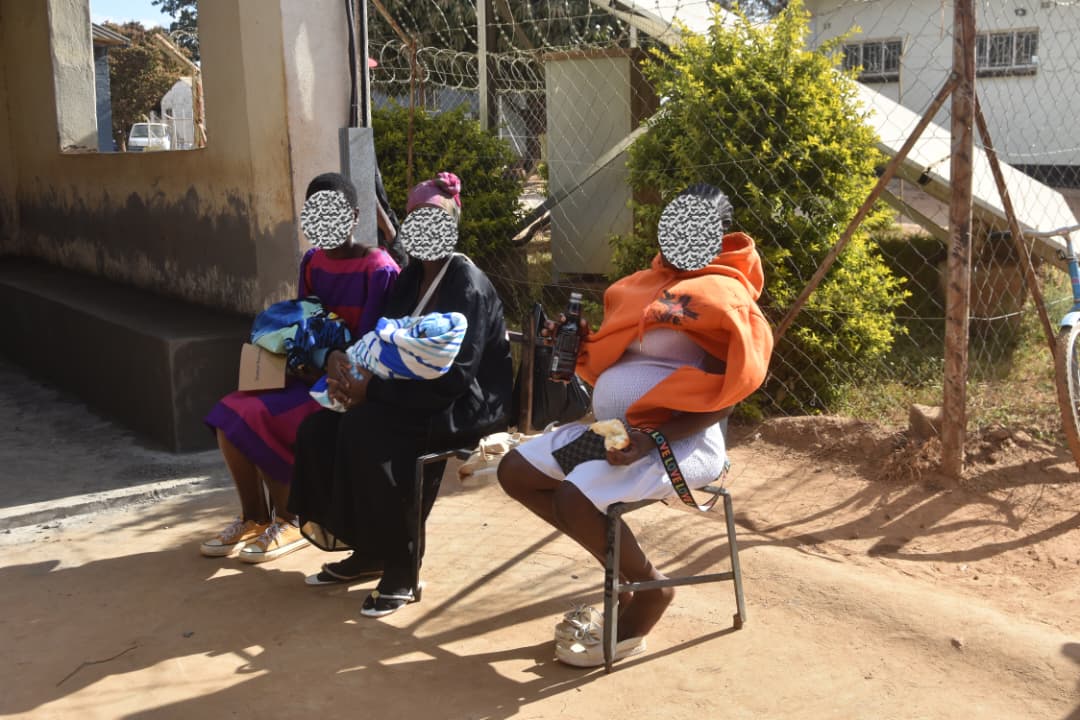
On a chilly Tuesday morning at Wadzanayi Clinic in Shamva, Rhoda gently rocks her toddler as she recounts the decisions that changed her life forever. She has accompanied her mother, who is attending a routine blood pressure review.
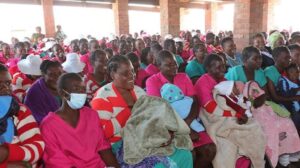
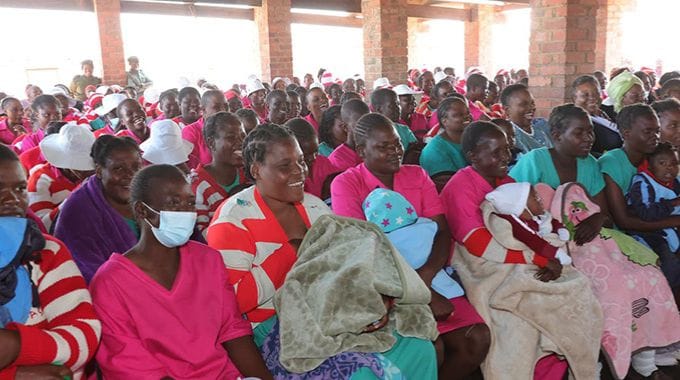
Around her, dozens of teenage girls wait for antenatal bookings, family planning services and other sexual and reproductive health consultations. Many are accompanied by anxious parents.
“When I met him, I thought we would stay together and raise our child,” Rhoda recalls quietly.
“But during my pregnancy he left me for another woman.”
The heartbreak nearly pushed her into seeking an unsafe backyard abortion.
However, she says her faith and fear of bringing shame upon her family stopped her.
“As a member of the apostolic church, I knew I could be expelled if I terminated the pregnancy,” she says.
“I also did not want to tarnish my mother’s reputation. She told me it was a sin to terminate the pregnancy and that one day my child would take care of me.”
Today, Rhoda’s dreams of completing school have been replaced by the daily struggle to provide for her child.
“I would have wanted to go back to school,” she says.
“But right now I have to look after my baby. I now cook for makorokoza at their camps so that I can earn some money.”
Her story is becoming increasingly common across Shamva.
Shamva’s booming artisanal mining sector has created economic opportunities for thousands of families. But community leaders and health workers say the influx of young men with disposable income has also exposed adolescent girls to relationships that often end in pregnancy, school dropout and lifelong poverty.
Informal transport operators, commonly known as mshikashika drivers, are also increasingly being identified as another group exploiting vulnerable schoolgirls travelling long distances to and from school.
A nurse at Wadzanayi Clinic, who requested anonymity because he was not authorised to speak publicly, believes many of these pregnancies could be prevented if adolescents had easier access to comprehensive sexual and reproductive health information and services.
Having previously worked in South Africa, he says Zimbabwe could draw valuable lessons from its neighbour.
“In this day and age, these teenagers are becoming sexually active much earlier than when we grew up. They become pregnant, are abandoned and parents end up raising children on their own.
“I wish it was like South Africa where adolescents can access contraception without needing their guardian’s consent. Trust me, they already know about these products,” she says.
Shamva village head Norbert Shongedza says communities have begun fighting back through the Not In My Village campaign, which has helped reduce child marriages, school dropouts and teenage pregnancies.
“We are working together with chiefs, the police, community health workers, community-based distributors and child care workers to ensure cases of child marriage are reported. The situation has improved compared to before the campaign started because people are now more aware,” he says.
Launched in Mashonaland Central in 2024, the Not In My Village campaign has since expanded to other provinces, with traditional leaders adapting its message to local contexts while maintaining one central principle: child marriage has no place in their communities.
The intervention comes at a critical time.
According to the 2022 Population and Housing Census, Mashonaland Central has Zimbabwe’s highest prevalence of child marriage, with an estimated 50 to 52 percent of girls marrying before the age of 18.
Zimbabwe National Family Planning Council (ZNFPC) Mashonaland Central Provincial Manager Getrude Katsande says adolescent pregnancy remains one of the province’s biggest public health concerns.
“We are having high teenage pregnancies, at 37.5 percent, and that’s a huge number. When we talk about child marriages, they are also high, and it’s an eyesore to us,” she says.
Katsande says the province’s thriving gold economy has become one of the major drivers of adolescent pregnancies.
“Mashonaland Central is a place where gold is mined. The artisanal miners, commonly known as makorokoza, get money easily and spend it on young girls. The girls are attracted by that lifestyle.”
She says truck drivers passing through the province have also emerged as another group exploiting vulnerable adolescent girls.
“And then there are truck drivers travelling through the province. Our young women are exposed to them as well, hoping to get a piece of the cake.”
Katsande says some parents continue to undermine efforts to end child marriage by accepting bride price instead of reporting perpetrators to the police.
“We are still fighting situations where parents would rather receive money than see an older man arrested after marrying or impregnating an underage girl. Yet the law is very clear. Sexual intercourse with a girl under 18 or marrying a child is a criminal offence.”
The story unfolding in Shamva reflects a much broader national challenge.
Zimbabwe recently launched the National Multi-Sectoral Framework for the Prevention and Management of Adolescent Pregnancies at a time when the national adolescent pregnancy prevalence stands at 23.2 percent. The adolescent birth rate is 111 births per 1,000 girls aged 15 to 19, among the highest in sub-Saharan Africa.
According to the United Nations Population Fund (UNFPA), adolescent pregnancies disproportionately affect girls in rural communities and poor households. More than 14 percent of all recorded maternal deaths in Zimbabwe occur among girls aged between 15 and 19 years.
For girls like Rhoda, however, the statistics are deeply personal.
While many of her former classmates are preparing for examinations and planning their futures, she spends her days caring for her toddler and looking for work at nearby mining camps.
She still dreams of returning to school one day.
But for now, survival comes first.