

By Patricia Mashiri
Zimbabwe must intensify prevention advocacy and strengthen community-led HIV prevention efforts to safeguard decades of progress against HIV as shrinking donor funding threatens the country’s response, health experts have said.
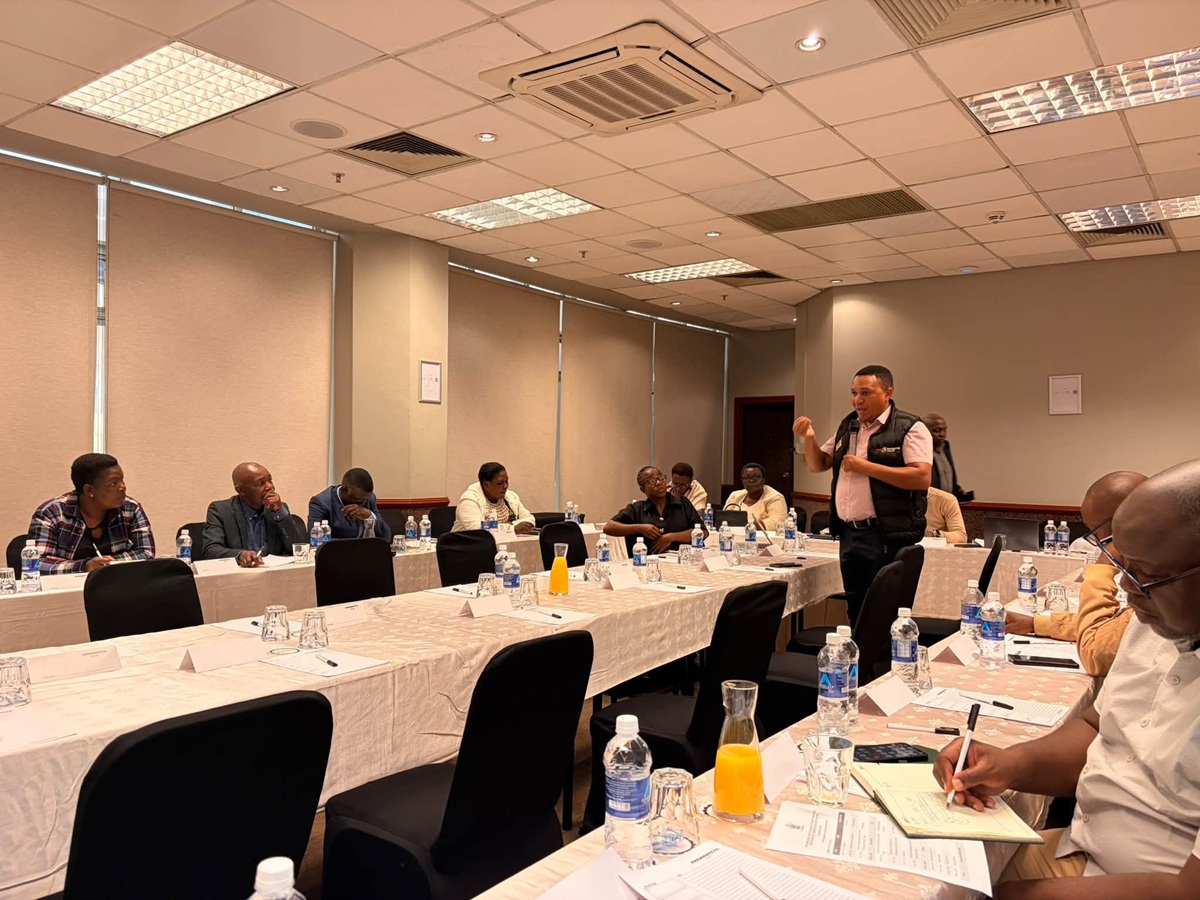
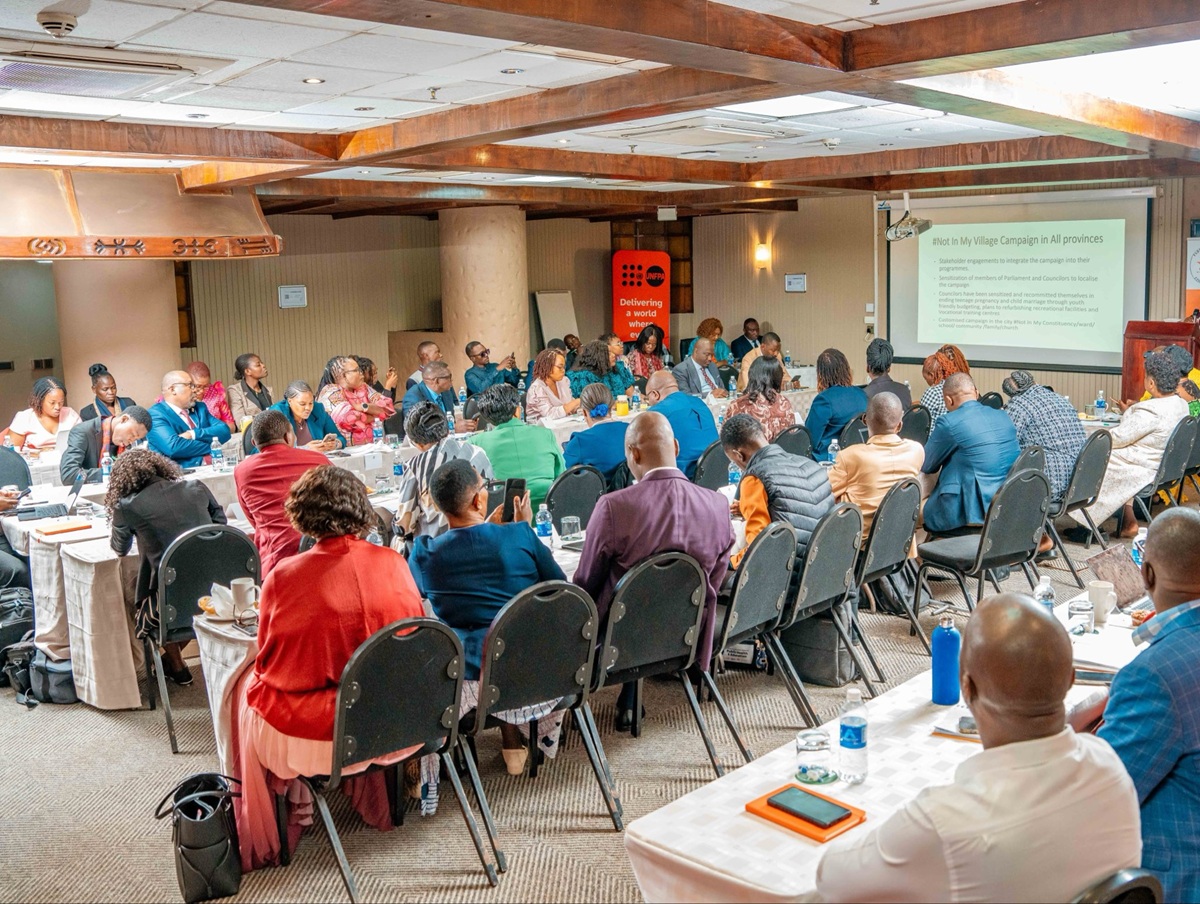
The call was made during the inception meeting of the Community Monitoring and Engagement for Transformation (COMET) Community-Led Monitoring (CLM) Pivot Pilot Project, an initiative designed to strengthen community monitoring of HIV prevention and treatment services while addressing gaps in service delivery through evidence-based advocacy.
Jointed Hands Welfare Organisation Executive Director Dr Donald Tobaiwa said investing in prevention remains the country’s most cost-effective strategy at a time when resources for the HIV response are becoming increasingly constrained.
“It is really critical at this point in time where our funding landscape is dwindling that we focus on ensuring we have fewer new HIV infections. To achieve that, we have to invest in prevention advocacy,” he said.
Dr Tobaiwa said expanding access to biomedical HIV prevention options gives people greater choice while reducing the long-term financial burden on the health system.
“If we support prevention, we know that we will have fewer new HIV infections. Once people become infected, the country incurs more costs through treatment, adherence support and other related services,” he said.
He said community-led monitoring should also strengthen early warning systems that track medicine availability and prevent stock-outs that interrupt treatment and force patients onto more expensive second-line regimens.
“Communities should monitor stock levels to ensure people continue to access medicines. We also need to strengthen adherence support, peer-to-peer support and mobilise more domestic resources to support primary healthcare facilities,” he said.
Dr Tobaiwa also raised concern over declining HIV risk perception, particularly among young people, urging Zimbabweans to embrace combination prevention instead of relying on a single intervention.
“Even if you have undergone voluntary medical male circumcision, you still need another layer of protection such as condoms. Combination prevention protects against HIV, sexually transmitted infections and other opportunistic infections,” he said.
Echoing the need for stronger prevention efforts, National AIDS Council Harare Provincial Manager Adonija Muzondiona said new HIV prevention technologies are attracting significant public interest, although demand continues to outstrip supply.
He said Zimbabwe’s rollout of the six-month HIV prevention injection, lenacapavir, has generated encouraging uptake, with the Ministry of Health and Child Care and the National AIDS Council working to mobilise additional resources to expand access.
“We have seen a lot of interest since the launch. The Ministry of Health and Child Care together with the National AIDS Council is mobilising resources so that more people can access the injection, although supplies remain limited,” he said.
Muzondiona, however, warned that many young people have developed a false sense of security because antiretroviral treatment is widely available, resulting in reduced HIV risk perception.
“The young generation has developed a false belief that HIV is no longer an issue. We still need to educate communities because HIV continues to pose serious challenges. Treatment is available, but prevention remains the best option,” he said.
He added that while treatment has saved millions of lives, lifelong medication can present challenges, including drug interactions and complications associated with non-communicable diseases, making prevention the most sustainable approach.
“Our message remains the same: we must stop new HIV infections. People are safer without HIV than living with the virus. Prevention should remain everyone’s responsibility,” he said.
Advocacy Core Team implementation partner Munyaradzi Chimwara said the CLM Pivot Project will ensure that evidence generated by communities is translated into action to improve HIV prevention service delivery and influence policy decisions.
He said the initiative will empower communities and civil society organisations to use real-time data to identify service delivery bottlenecks, including medicine stock-outs, and engage policymakers in developing community-driven solutions that improve access to HIV prevention services.
“Our goal is to ensure that community voices shape HIV prevention policies and resource allocation so that no one is left behind,” he said.
The project will be implemented by the Jointed Hands Welfare Organisation in partnership with the Advocacy Core Team. It will generate community-validated evidence from selected high-burden districts, including Harare, Gweru, Kwekwe, Bulilima and Mangwe.
The findings are expected to strengthen prevention advocacy and inform policy decisions aimed at improving HIV prevention service delivery across Zimbabwe.