By Michael Gwarisa
A nurse-led outreach programme in rural Zimbabwe screened more than 1,100 women living with HIV for cervical cancer in a year, with seven in 10 accessing the service through outreach clinics, new data has shown.
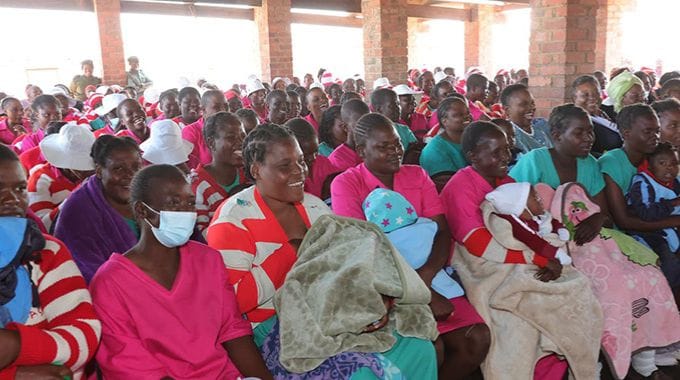
The programme, implemented through Kamutsenzere Rural Health Centre and nine outreach sites in Mt Darwin, Mashonaland Central, screened 1,164 women living with HIV between October 2023 and September 2024.
Of those screened, 827 women, or 71 percent, accessed cervical cancer screening through outreach services, underlining the potential of decentralised services to reach women in rural and hard-to-reach communities.
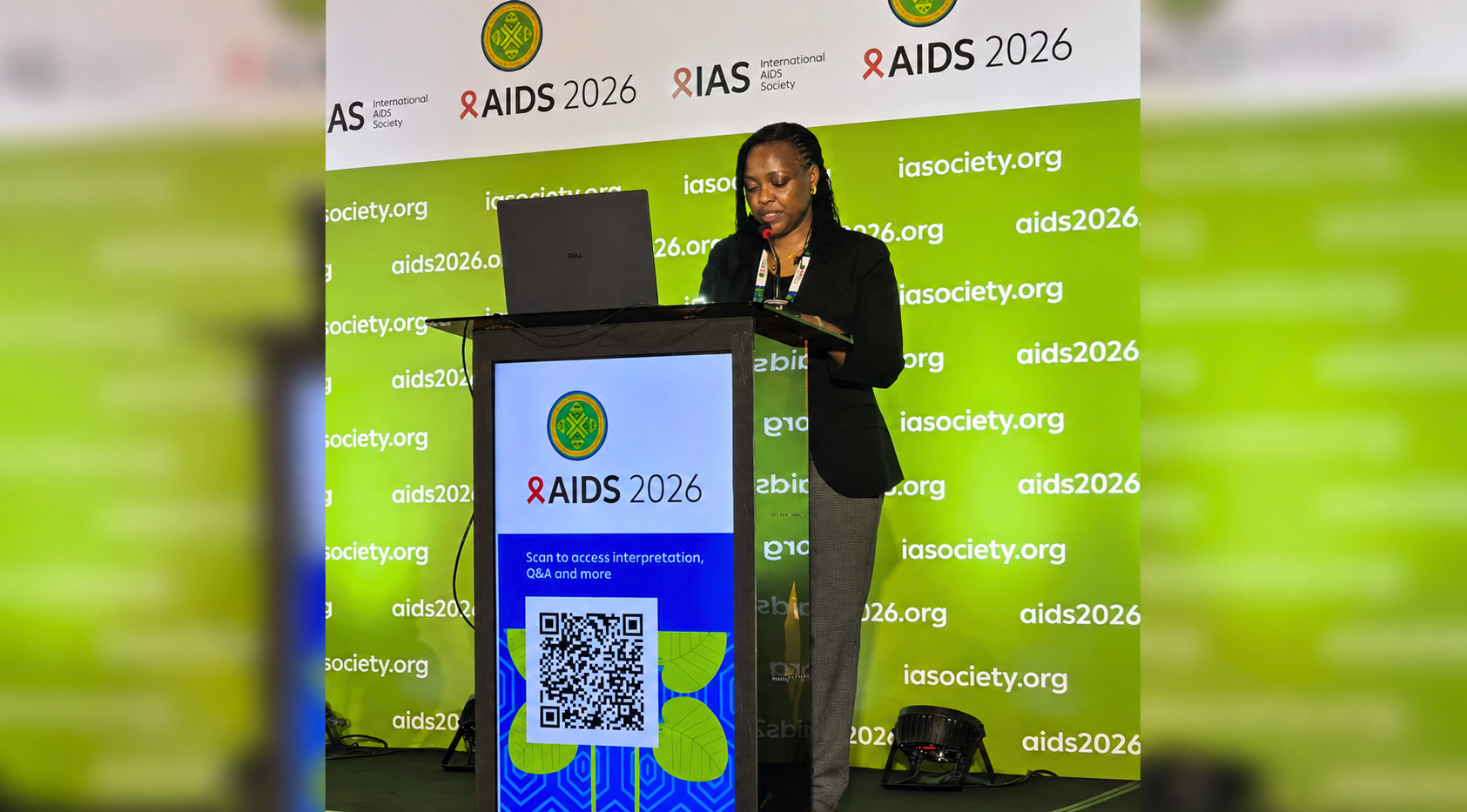
The findings were presented by Sandra Murwira, Cervical Cancer Screening and Treatment Programme Officer at Zim-TTECH, at the AIDS 2026 Conference.
According to the Zimbabwe National Cancer Registry’s 2019 Annual Report, cervical cancer was the most frequently occurring cancer among Zimbabweans, accounting for 22 percent of all new cancer cases recorded that year. Among Zimbabwean women, cervical cancer was even more dominant, accounting for 40.8 percent of cancers among Black women and 39.8 percent of cancers among women of all races.
The registry recorded 7,173 new cancer cases overall in 2019, including 4,222 among women. Cervical cancer was also the leading cause of cancer deaths recorded in Harare, Chitungwiza and Bulawayo, accounting for 12 percent of the 2,416 cancer deaths documented in those areas.
The new Mt Darwin data suggests that taking screening services directly into communities could help address geographical barriers that have historically limited access for rural women.
Of the 1,164 women screened, 108, or 9.3 percent, tested positive for precancerous cervical lesions. A total of 102 women received treatment, representing a treatment uptake of 94.4 percent.
The programme recorded particularly strong results for women eligible for thermal ablation, with all 67 women completing treatment and 98.5 percent receiving the procedure on the same day.
However, the findings also exposed a gap in access to more advanced treatment.
Of the women requiring LEEP, an excisional procedure used to remove abnormal cervical tissue, 35 of 38 completed treatment, but the median waiting time was 32 days.
The delay highlights a critical weakness in the cervical cancer care pathway: while decentralised services can bring screening and some forms of treatment closer to communities, women requiring specialised procedures may still face delays before receiving care.
This is particularly significant given that the cancer registry has also highlighted the challenge of late cancer diagnosis in Zimbabwe. Of the cancer cases recorded in 2019 for which stage at diagnosis was available, 82 percent were diagnosed at stage three or four, although the registry noted that staging data was missing for more than half of all registered cases.
The Mt Darwin programme was designed to address gaps in cervical cancer screening among women living with HIV, who face a higher risk of cervical disease.
Previous data cited in the presentation showed that only 28.6 percent of women living with HIV in rural areas had ever been screened for cervical cancer, compared with 45.1 percent in urban areas.
Under the nurse-led model, one static health facility supports nine outreach sites, with cervical cancer screening integrated into routine HIV services.