By Michael Gwarisa
The Ebola outbreak in the Democratic Republic of Congo (DRC) is showing early signs of slowing, with confirmed cases declining from a peak recorded in August, but Africa CDC has warned that the outbreak remains far from being brought under control.
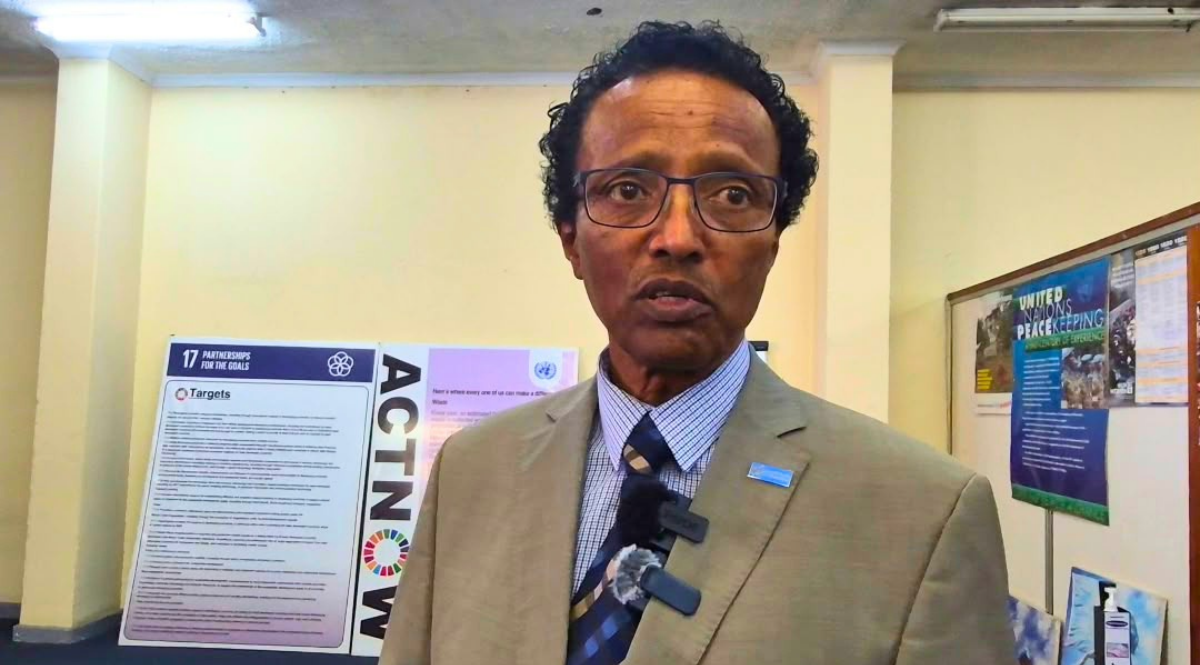
Speaking during a weekly Africa CDC media briefing, Dr Wessam Mankoula, lead for the Continental Incident Management Support Team (IMST), said the outbreak had spread across eastern DRC, with 60 health zones affected and about 6,000 confirmed cases reported since the outbreak was declared on May 15.
“Unfortunately, so far, we had more than 6,000 cases reported in the continent, and we lost more than 3,000 deaths,” he said.
The six affected provinces in eastern DRC cover an area larger than the United Kingdom and France combined, highlighting the geographical challenge facing responders.
The outbreak initially appeared limited, with three health zones and eight confirmed cases recorded on May 15. Within a month, this had risen to 837 cases across 31 health zones.
According to Mankoula, the current outbreak has recorded six times as many cases as the West Africa Ebola outbreak of 2014 during the comparable first 16-week period, while deaths are five times higher over the same duration. Despite the scale of the outbreak, there are signs of progress.
Four health zones have interrupted transmission after going more than 42 days without reporting new cases, while another five have entered the control phase after going between 21 and 42 days without cases.
“We’re still leading the fight against this virus in 51 active health zone,” Mankoula said.
He cautioned against interpreting the progress as evidence that the outbreak was under control.
“It’s still early to say that we’re controlling the whole outbreak,” he said, although he acknowledged that “good progress” was being seen in some health zones.
The weekly trend in confirmed cases has also provided cautious optimism.
Mankoula said cases had entered a plateau over the previous two weeks. At the peak during the week of August 10, 537 confirmed cases were reported. This fell to 464 the following week before increasing slightly to 479. The latest figure represented a 12% decline from the August peak.
“But still, it’s very early to say we have sustained decline in this outbreak,” Mankoula said.
A major concern remains deaths occurring within communities before patients reach health facilities. More than 60% of deaths recorded over the previous seven days occurred in communities. Mankoula said this pointed to delays in detection, challenges around health-seeking behaviour and the need for stronger community engagement.
Ituri remains the province with the highest number of reported cases and deaths, followed by North Kivu, which also has the highest case fatality rate among the six affected provinces. Ituri recorded a 14% decline in cases over the latest three-week period compared with the preceding three weeks, while North Kivu recorded an increase.
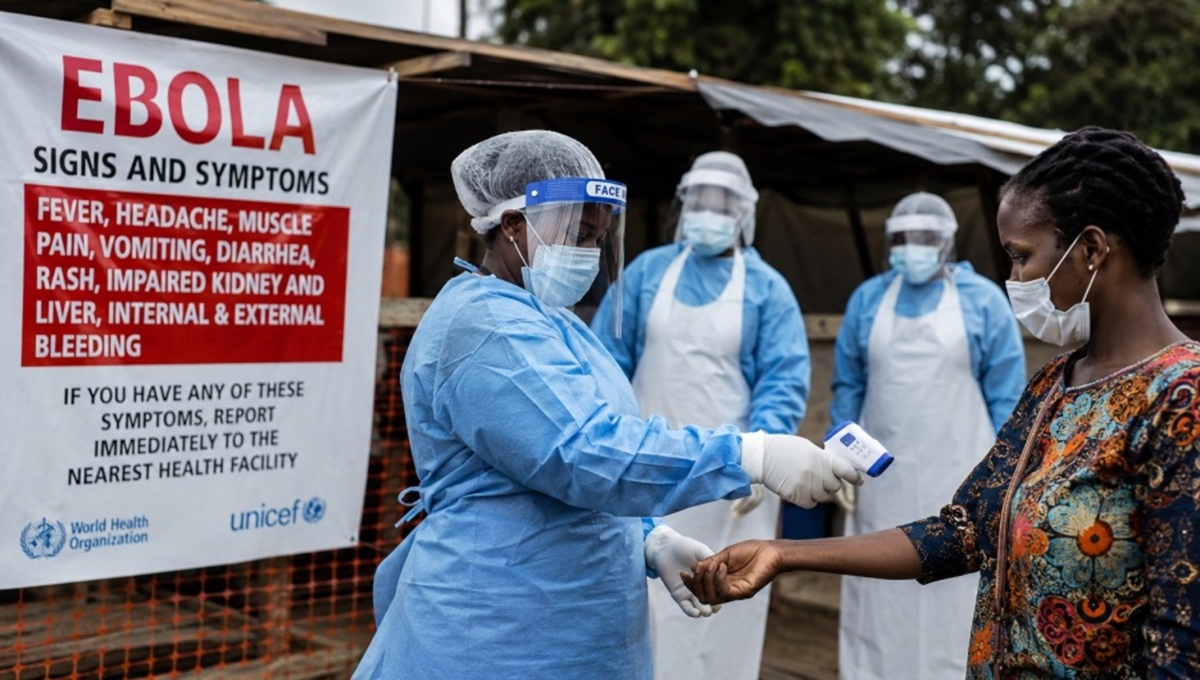
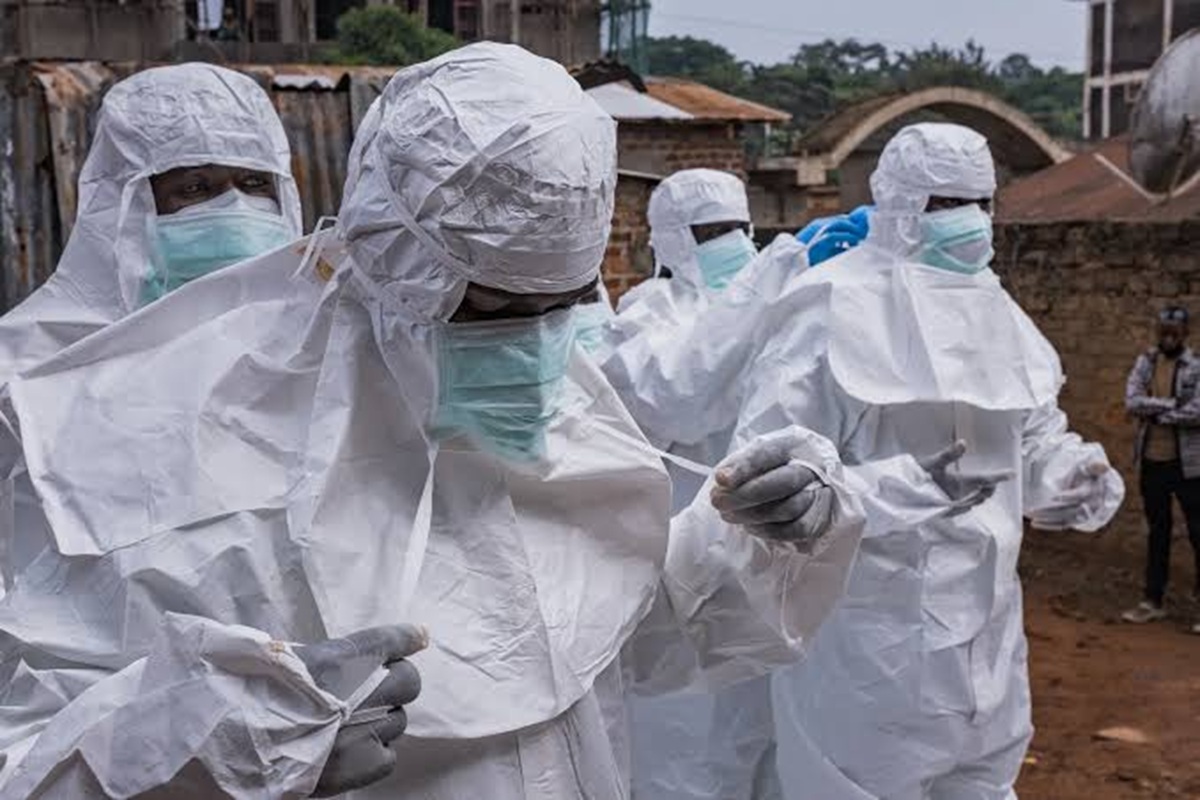
The situation in North Kivu is further complicated by insecurity, which is restricting the movement of response teams. Mankoula said humanitarian and security access was urgently needed to allow responders to conduct active case finding, identify and isolate contacts, strengthen infection prevention and control measures and expand Ebola treatment capacity.
“We need humanitarian access, safety, security access for the responders,” he said, highlighting the security challenges in North Kivu.
Community surveillance is showing improvement, with alerts reported by communities increasing by 25% by the end of August. The increase has been supported by the deployment of more community health workers and surveillance experts to identify suspected cases earlier. However, contact tracing remains a major weakness.
The reported community tracing rate stands at about 89% when calculated against contacts already listed and being followed. But Mankoula said that when the ideal target of 40 to 60 contacts per case is considered, the actual contact tracing rate falls to about 19%.
He said this highlighted the need for more community health workers and surveillance experts focused on case investigation, contact listing and tracing.
Meanwhile, clinical trials and vaccine efforts are continuing.
The Oliveir clinical trial investigating post-exposure prophylaxis has recruited 216 contacts out of a target of 400. A separate trial testing remdesivir and monoclonal antibodies has recruited 334 participants.
Vaccine development is also progressing, with Phase 1 trials for the Shadog vaccine having started in the United Kingdom in late July and Moderna’s Phase 1 trial beginning in Canada in early August.
An AirVivo vaccine trial is expected to begin in the DRC, while compassionate use among frontline healthcare workers has already started under an observational study. As of September 1, more than 1,100 frontline healthcare workers had received the vaccine under the compassionate-use programme, according to Mankoula.
Treatment capacity has also expanded by about 40% since the end of July, increasing from approximately 900 beds to 1,300. Africa CDC’s immediate priority is to sustain these gains while reaching areas where insecurity is obstructing the response.
Mankoula said priorities include establishing humanitarian corridors, deploying more community health workers, strengthening active case finding and contact tracing, expanding treatment capacity and improving the distribution of Ebola treatment centres.
The agency is also calling for stronger surveillance along the Uganda border following Ebola cases reported in provinces bordering the country. Although Uganda has declared its Ebola outbreak over, Mankoula warned that continued transmission in neighbouring areas means the risk of spillover remains.
“We need strong surveillance systems at the border,” he said, stressing the importance of screening at points of entry and community-based surveillance through health workers.
The emerging picture is therefore one of cautious progress rather than victory. While transmission has plateaued and nine health zones have either interrupted transmission or entered the control phase, 51 health zones continue to experience active transmission.
For Africa CDC, the message is clear: the early signs of improvement offer hope, but the response cannot afford to slow down.