
By Michael Gwarisa
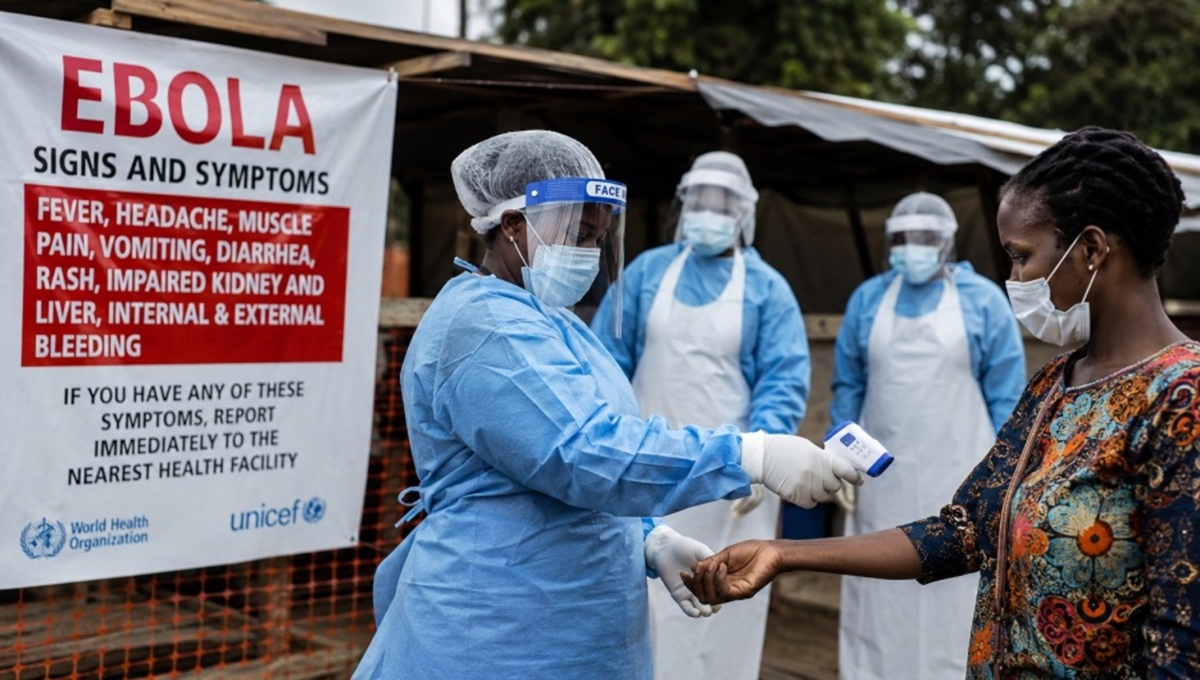
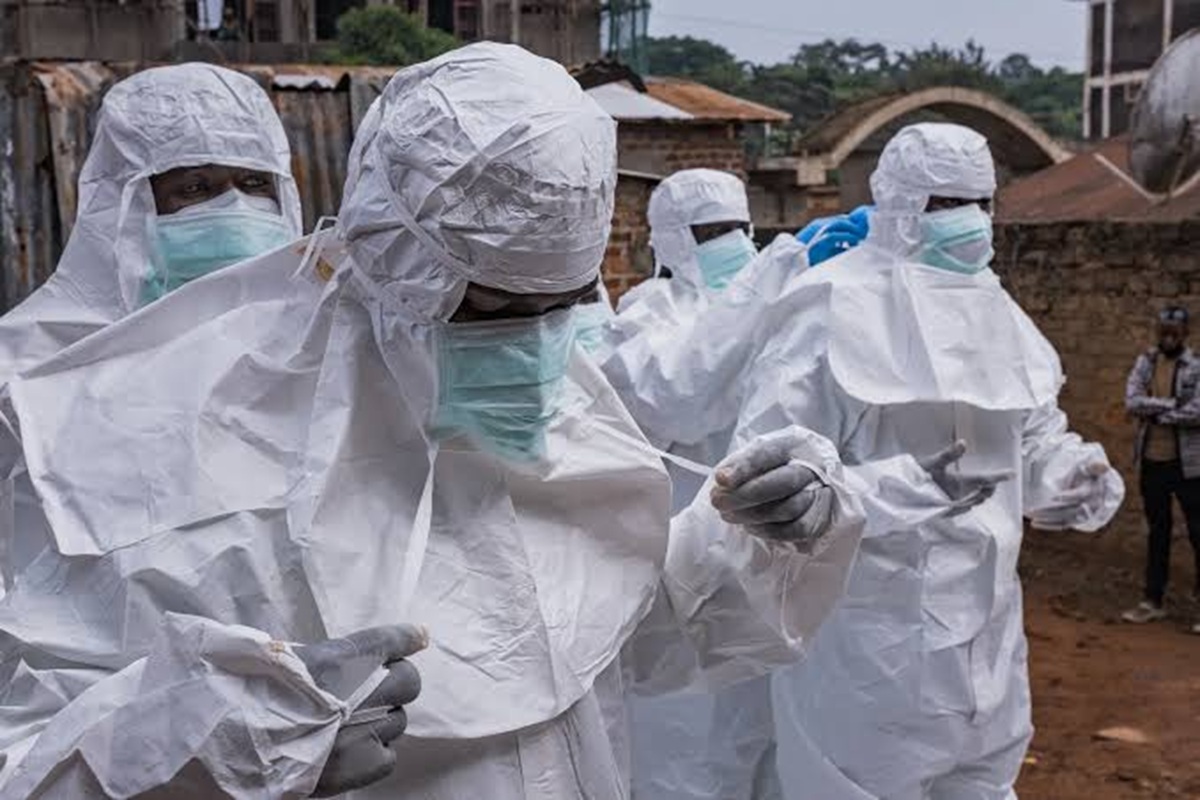
The scale of the Ebola outbreak in the Democratic Republic of Congo (DRC) may be far greater than official figures suggest, with Africa Centres for Disease Control and Prevention (Africa CDC) warning that the disease was circulating for months before the outbreak was officially detected.
Africa CDC Director-General Dr Jean Kaseya said the outbreak, which was declared on May 15, is believed to have started around February, leaving health authorities with little information about what happened during the intervening months.
“We have no clue about what happened from February to May,” Kaseya said during the Africa CDC weekly press briefing.
He said this meant that the figures currently being reported were based largely on surveillance conducted after the outbreak was declared and should not be considered a complete picture of the epidemic.
“And even, we are not saying to you that these data are accurate,” Kaseya said.
The warning comes as the outbreak caused by the Bundibugyo species of Ebola virus continues to expand across the DRC.
According to Africa CDC, the outbreak has grown from three affected health zones to 54 health zones across six provinces, up from one province when it was first declared. More than 4,500 cases and 2,100 deaths have now been reported, making it one of the fastest-growing Ebola outbreaks recorded.
Kaseya warned that the situation could become even more serious if transmission is not brought under control.
“If we don’t stop this outbreak, it must last more than a year. It would be the largest one in the world,” he said.
Communities hold missing pieces
Africa CDC is working with affected communities to identify critical information about the early stages of the outbreak that may not have been captured through formal surveillance.
Kaseya said the response would therefore be shifted towards villages, where residents can help health authorities reconstruct what happened before the outbreak was declared.
Villagers will be asked to provide information about people who died or developed symptoms between January and May, even where those individuals were never tested.
Those cases would initially be classified as suspected cases, with individuals who can still be tested being subjected to laboratory confirmation.
“This will give us an idea of the magnitude of the outbreak that we don’t know so far,” Kaseya said.
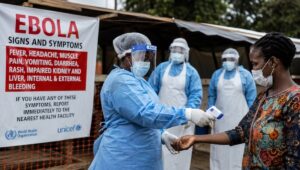
The approach reflects another major challenge facing the response: conventional contact tracing is failing to identify enough people who may have been exposed.
Kaseya said only about 12 percent of the contacts expected to be identified over a 21-day period are currently appearing on contact lists.
“The concept of contact tracing in DRC has become useless,” he said.
He said the majority of new confirmed cases were not being identified through existing contact-tracing systems, demonstrating the extent to which transmission had moved into communities.
Most deaths occurring outside health facilities
Africa CDC is also concerned by the location of deaths. Kaseya said more than 63 percent of deaths are occurring within communities, rather than in treatment centres or hospitals.
In a conventional outbreak, health authorities would expect many severely ill patients to reach treatment facilities where they can be monitored and treated. Community deaths, however, make it harder to identify cases, trace contacts and conduct safe and dignified burials.
“It means the outbreak is just at community level, spreading at community level,” he said.
The agency is therefore calling for communities to take greater ownership of the response, including helping with surveillance, referrals, isolation, safe burials and vaccination.
Children face severe impact
Children are among the worst affected. Kaseya said children under one year had a mortality rate of about 66 percent, while those aged between one and four years had mortality of around 59 percent among affected children.
“This is not acceptable,” he said.
Africa CDC is working with UNICEF to establish specialised treatment centres for children as part of efforts to reverse the trend.
The agency is also supporting the use of existing Ebola interventions while clinical trials continue for treatments and vaccines specifically targeting the Bundibugyo virus.
Regional spread remains a concern
Although Africa CDC says it has not observed cross-border transmission among the 10 countries previously identified as being at elevated risk, officials warn that the risk remains if the DRC outbreak continues to expand.
Kaseya said neighbouring countries, including the Central African Republic, were strengthening preparedness and cross-border surveillance.
“If we don’t stop this outbreak now, there is a risk this outbreak will be in other countries,” he said.
The Africa CDC’s response now centres on shifting surveillance closer to communities, improving access to healthcare, strengthening laboratory capacity and deploying vaccines and treatments while scientific evidence continues to emerge.
For Kaseya, however, the first challenge remains establishing the true scale of the outbreak. Until communities can help reconstruct what happened before May, health authorities may be responding to an epidemic whose real size remains unknown.