
By Kuda Pembere
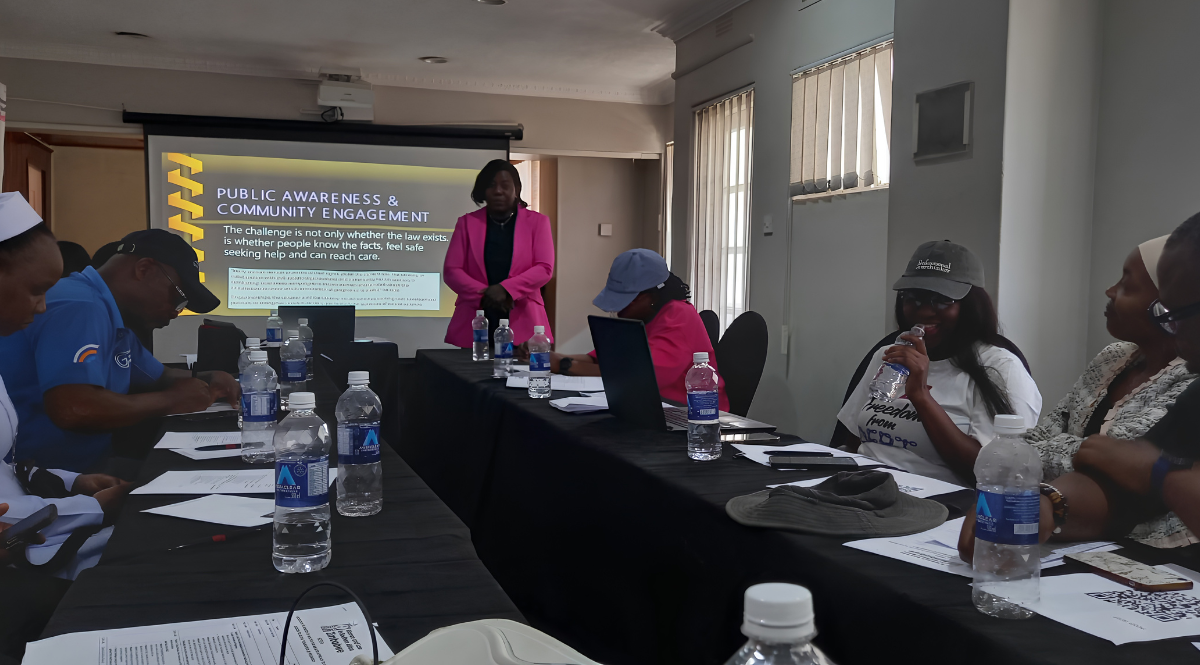
Médecins Sans Frontières (MSF) on Wednesday held belated World Mental Health Day commemorations in Epworth, bringing together young people, parents and community stakeholders to raise awareness of mental health challenges amid concerns over drug and substance abuse and teenage pregnancies.
The commemorations ran under the theme, “Lived Experiences Heard, Real Voices, Real Change,” highlighting the importance of listening to people affected by mental health conditions and involving communities in finding solutions.
MSF Mental Health Supervisor Janet Mukurumbira said the event provided a platform for young people, families and other community members to share their experiences and discuss how mental health challenges and substance abuse were affecting households.
“We want their voices to be heard, and we believe that is where the big change is going to come from,” she said.
MSF is working in Epworth and Mbare through its Adolescent Sexual and Reproductive Health (ASRH) programme, which incorporates mental health support.
Mukurumbira said young people seeking assistance presented with conditions including bipolar disorder, anxiety and depression, while substance abuse was emerging as a major concern.
She said discussions during the event highlighted the social effects of drug use, including behavioural changes and the pressure placed on families trying to support affected relatives.
Mukurumbira urged communities to recognise possible signs of mental illness and respond with compassion rather than punishment, stigma or violence.
“If you identify someone with a mental health problem, what are you going to do? What is the next step?” she asked, emphasising the importance of awareness and early intervention.
She said people exhibiting unusual behaviour, including talking to themselves, should not automatically be labelled dangerous or subjected to violence. Instead, they should be assessed and linked to appropriate health services.
Mukurumbira said professional treatment needed to be complemented by family and community support, including helping people adhere to treatment and reintegrate into society.
“If we have one rehabilitation centre, it will not be enough to cover the community. But if we can effect change within the family system, it will go a long way in improving the health of these young people,” she said.
She said MSF’s adolescent and reproductive health project targeted young people aged 10 to 24, while the Ministry of Health and Child Care ran other programmes catering for people outside that age group.
Mukurumbira called for sustained awareness campaigns to challenge misconceptions about mental health conditions and encourage people to seek professional help early.
An Epworth Polyclinic Psychologist at the event said improving mental health required individuals to take responsibility for the wellbeing of others and communities to become more open to discussions about psychological distress.
The psychologist said mental health should be treated as an essential part of healthcare, with people feeling comfortable telling health personnel when they were struggling emotionally or psychologically.
Epworth resident Beauty Magora said drug abuse and teenage pregnancies were affecting children in the community, citing poor parent-child communication, inadequate information and easy access to drug-use sites as contributing factors.
Magora welcomed the event and thanked MSF and the Ministry of Health and Child Care for bringing mental health awareness activities to Epworth.
She said children, including young girls, were increasingly exposed to drugs and environments where substances were being used.
“Epworth people are using drugs. They are at the bases. Children are having children while they are still children,” Magora said.
She said parents needed to build strong relationships with their children from an early age to help them navigate difficult situations and make informed decisions.
“The issue of children, I see it starts with parents. A parent, if you take care of your child well, if you bond with them when they are seven, you can win everything,” she said.
Magora also expressed concern that some parents reacted negatively when adolescents raised questions about family planning, potentially discouraging them from seeking reproductive health information and services.
She said young people needed to be able to discuss contraception and HIV prevention, including pre-exposure prophylaxis (PrEP), without fear of being reprimanded.
Magora said some parents were not paying sufficient attention to their children’s activities despite the risks young people faced in their communities.
She estimated that many young people affected by drug use were aged 21 and below, with cases involving children as young as eight and nine years old.
She said children were being referred to local clinics, with MSF helping to document and support cases, but the numbers were continuing to rise.