By Kuda Pembere in Lusaka, Zambia
More than three million adolescents and young people across Eastern and Southern Africa have been reached through the Hivos Regional Sexual and Reproductive Health and Rights (SRHR) Fund, which has concluded after receiving financial support from the Swedish Government amid growing concerns over declining donor funding.
Established in 2010 by Hivos Southern Africa, the Regional SRHR Fund was designed to strengthen SRHR advocacy and expand access to sexual and reproductive health services and information for adolescents and young people. It was funded by the Swedish Government through the Swedish International Development Cooperation Agency (Sida).
The initiative supported young people and youth-led organisations to conduct research, influence policy and advocate for sexual and reproductive health and rights across the region.
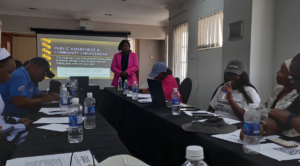
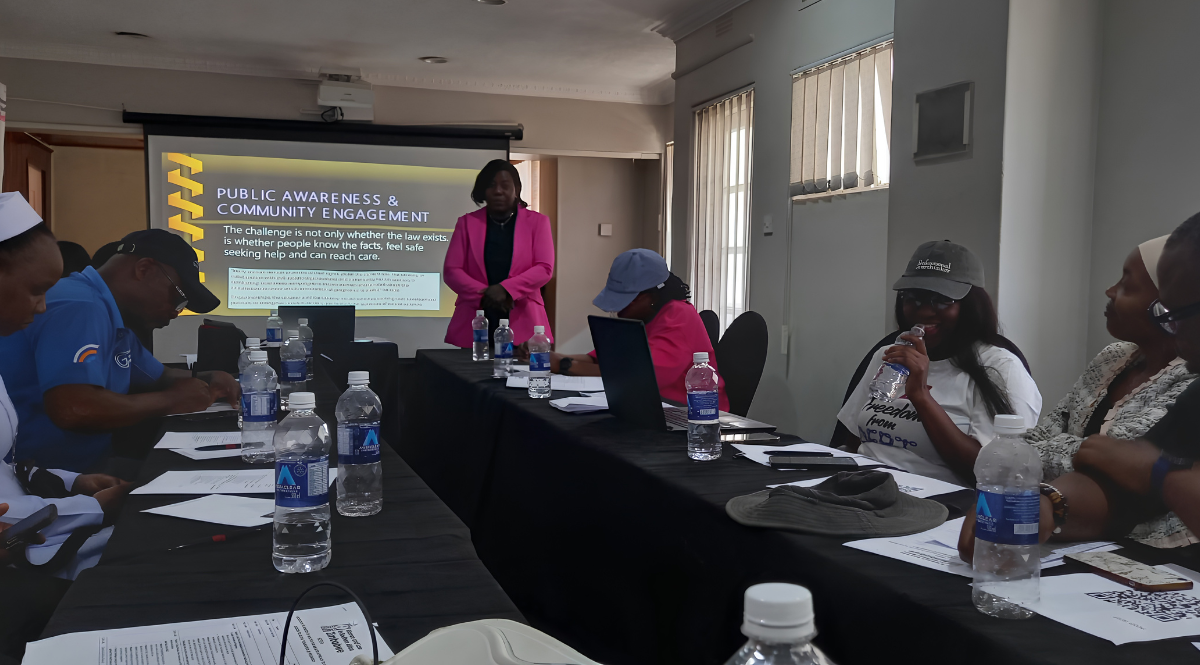
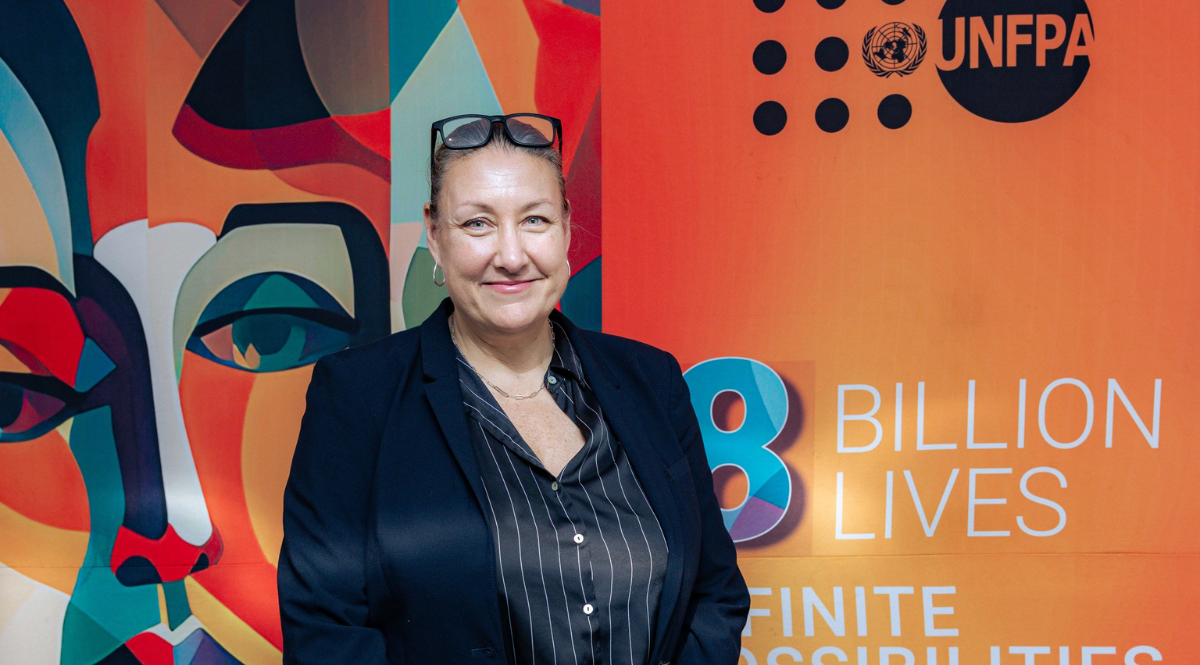
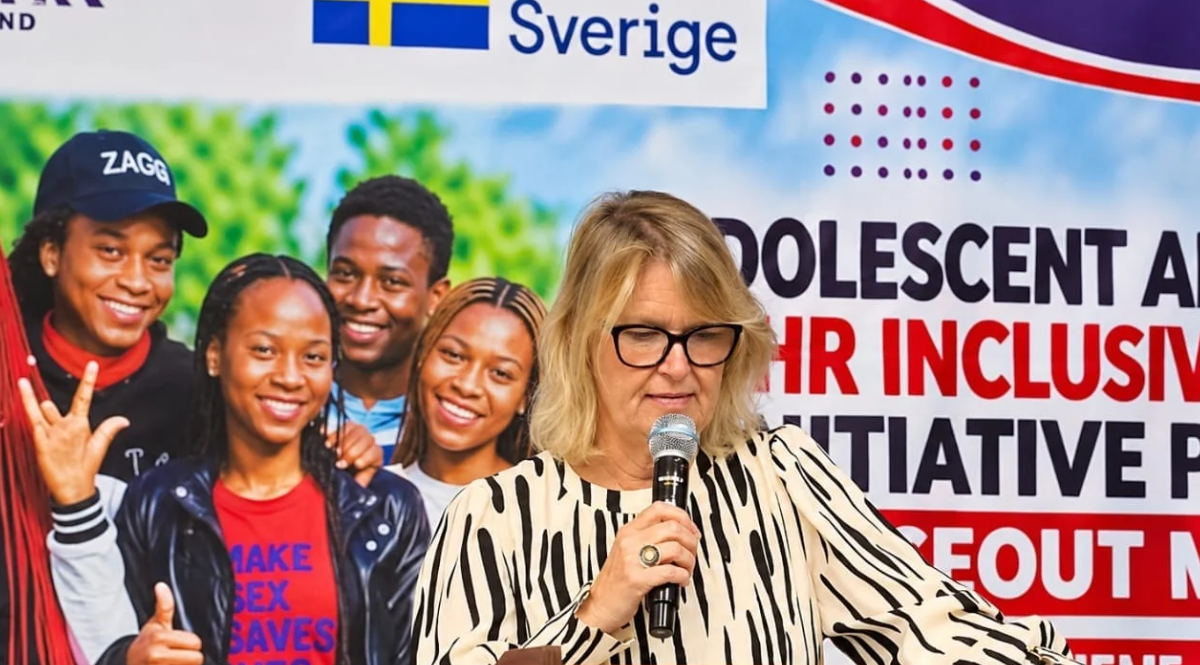
Speaking at the Fund’s close-out meeting in Lusaka, Zambia, Christina Wedekull, Deputy Head of Mission and Head of Development Cooperation at the Embassy of Sweden in Lusaka, said the initiative had demonstrated the role of youth leadership in driving systemic change.
“Through this work, it has been possible to strengthen the capacities of more than 2,700 young people; reach over 3 million adolescents and youth across Eastern and Southern Africa; support 10 youth-led organizations and 70 youth researchers; and generate 14 evidence products that have informed advocacy, policy dialogue, and efforts to advance SRHR law reform and accountability across the region. That is impressive!” she said.
Wedekull acknowledged the challenges associated with SRHR advocacy but said sustaining the gains made through the Fund would require continued commitment and collaboration, particularly as funding becomes increasingly uncertain.
“We recognize that this work is not always easy. Significant challenges remain. Advancing SRHR requires sustained commitment and long-term investment. Progress is not always linear, and the environments in which many of you operate can be demanding and, at times, challenging.
“But here partnership comes in, we must continue to work together and use your knowledge even if financing dries up,” she said.
She said the conclusion of the initiative should also prompt reflection on how the capacities developed by youth-led organisations could be maintained and how evidence generated through the programme could translate into lasting policy and institutional changes.
“As we reflect on the conclusion of this initiative, it is important to consider not only the results achieved, but also the lessons learned. In particular: How can the organizational capacities developed through this initiative be sustained? How can youth-led organizations continue to access the resources and platforms they need? And how can the evidence generated through this work be translated into lasting policy and institutional change?” she said.
Hivos Global Director of Programmes Tanja Lubbers said the close-out meeting was an opportunity to recognise the achievements made through the Fund and the partnerships that had supported its implementation.
“This is more than a project close-out. It is an opportunity to take stock of what we have learned, recognize the change that has been created, and look ahead to how these gains can be sustained and expanded in the years to come,” Lubbers said.
She acknowledged the governments of Kenya, Malawi, Uganda, Zambia and Zimbabwe for their cooperation in advancing sexual and reproductive health and rights.
“Before I proceed further, allow me to express Hivos’ sincere appreciation to the Governments of Kenya, Malawi, Uganda, Zambia, and Zimbabwe. The progress we celebrate today has been made possible through your partnership, leadership, and commitment to improving the health and wellbeing of your citizens, particularly adolescents and young people.
“Through national policies, strategic frameworks, technical guidance, and collaboration with civil society and development partners, you have created an enabling environment for advancing sexual and reproductive health and rights,” she said.
Lubbers said the Fund’s achievements demonstrated the importance of collaboration between governments, communities, young people and development partners.
“While challenges remain, the achievements realised through the Regional SRHR Fund demonstrate what can be accomplished when governments, communities, young people, and development partners work together towards a common goal,” she said.
The challenge of sustaining the gains made through the initiative was also highlighted by Regional SRHR Fund Programme Manager Limpo Chinika, who said supported organisations had developed sustainability plans to guide their work beyond the programme’s closure.
“So for us and the partners, it has obviously been a journey and most of all the partners that are present in this room as well as online have already developed some sustainability plans and from these sustainability plans, they’ll be able to utilise it in the work that they do and they’ll also be able to utilise it to get grants or future funding from us,” Chinika said.
She said the objective was not simply to maintain existing platforms but to ensure that young people continued participating in governance, research and advocacy.
“And so we’re looking at beyond sustaining the platform and also obviously not only celebrating its results, we’re looking at a situation where young participation and youth participation in governance, research and advocacy has been built, young people are able to engage effectively and together and also be able to take the work that they need to do out there,” she said.
Chinika said Hivos was also exploring alternative funding opportunities for youth-led organisations, including partnerships with the private sector.
“We’re also looking at how young organizations are able to secure the bag, so it’s aspects of long-term ownership of academies, platforms and networks.
“And one of the key things that we’ve also been doing within this journey is not to utilise the traditional approach of getting grants but also for the partners to be able to get grants as well as support utilising the private sector.
“So we’ll be keen to see how that, if there’s any partner in this room that would be willing to share how they’ve been able to utilise and work collectively with the private sector around aspects of their corporate social responsibility because we know that the funds are bringing in and we also then need to utilise what else is out there,” she said.