By Michael Gwarisa in Addis Ababa
African First Ladies, health leaders and cancer advocates have launched the Together With Her Network, a continental initiative aimed at strengthening women’s cancer prevention, early detection and treatment, with speakers warning that Africa’s challenge is increasingly one of turning commitments and available science into accessible care.
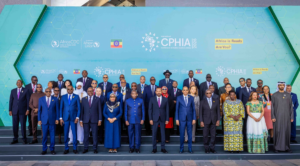
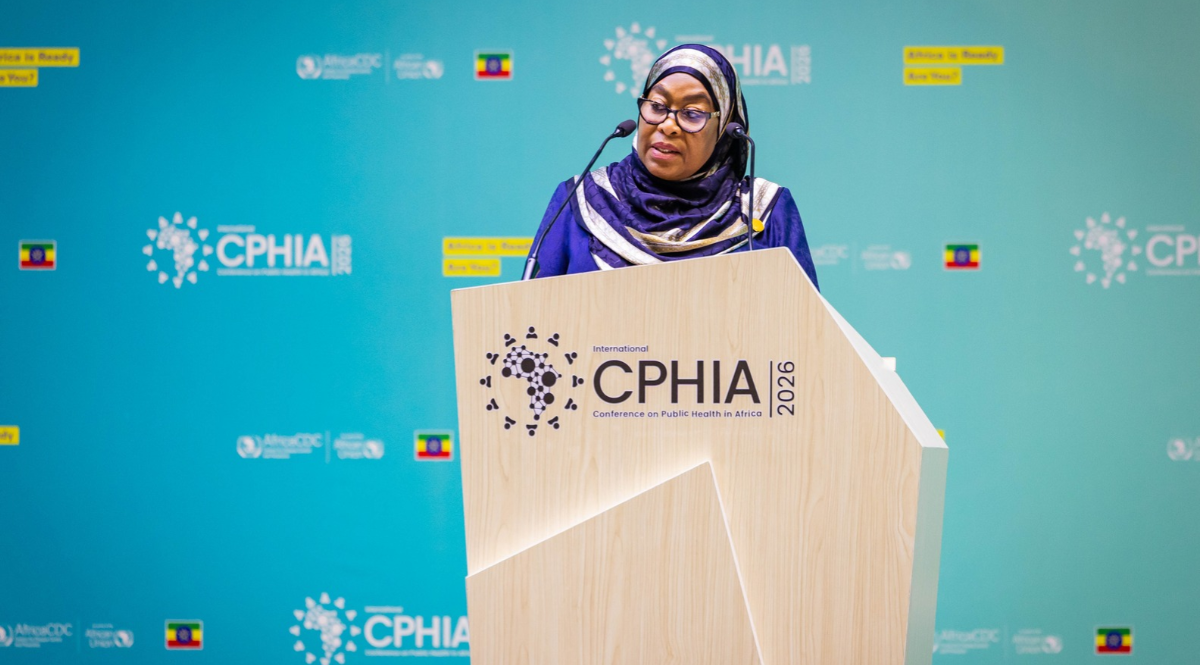
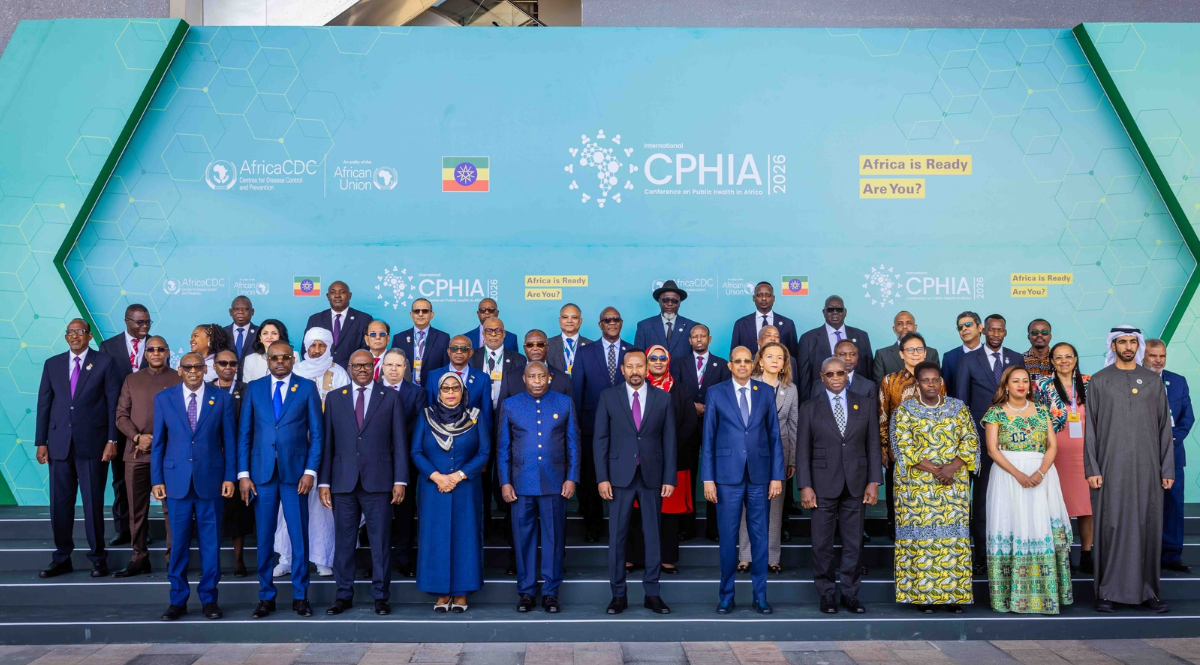
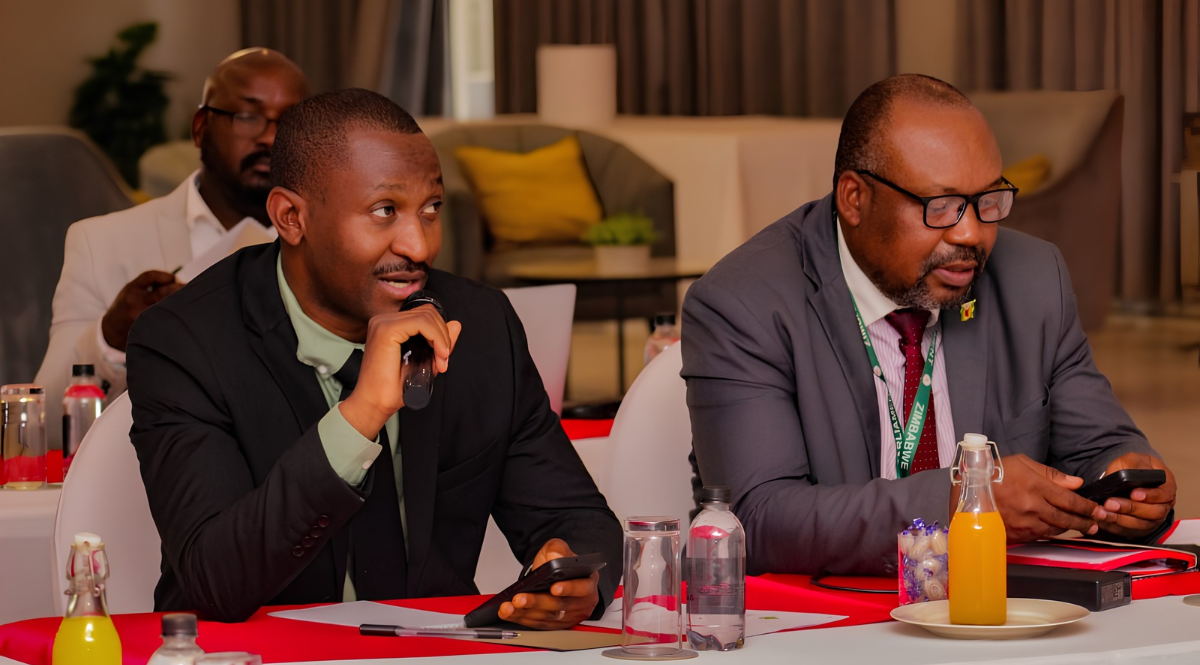
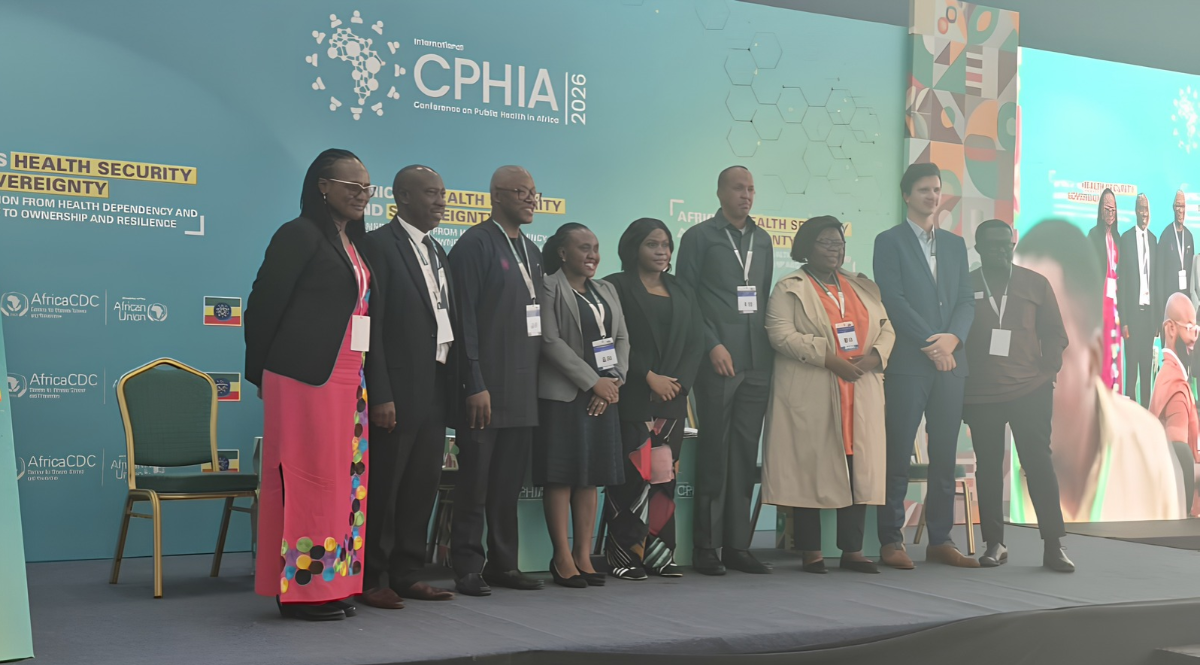
The network was launched on Tuesday on the sidelines of the Fifth International Conference on Public Health in Africa (CPHIA 2026) in Addis Ababa, bringing together the Organisation of African First Ladies for Development (OAFLAD), African Union institutions, WHO, Roche, cancer specialists and women’s health advocates.
The initiative seeks to build stronger collaboration around breast, cervical and other women’s cancers, while placing African women themselves at the centre of decisions about prevention, diagnosis, treatment and care.
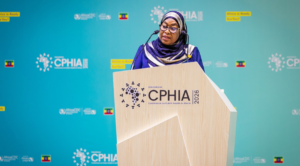
Opening the launch, H.E. Dr. Fatima Maada Bio, First Lady of Sierra Leone and President of OAFLAD, said the new network represented an opportunity to bring political leadership and health-sector partners together around a problem that continues to affect women, families and communities across the continent.
Bio said the initiative should give a collective voice to women and families affected by cancer while ensuring that access to prevention and treatment becomes a practical priority for governments.
She said the network would concentrate on three areas: preventing cancers that can be prevented, detecting disease early and ensuring women receive treatment that is timely, affordable and dignified.
The First Lady also highlighted the importance of HPV vaccination and cervical cancer screening, as well as early detection of breast cancer, saying stronger health systems were critical to improving survival.
Her intervention placed particular emphasis on the gap between what medicine can offer and what women can actually access.
“The science is not what stands between African women and survival. Access is. Time is. Follow-through is,” Bio said.
She called on African First Ladies to take the initiative into their countries and urged ministers of health to incorporate women’s cancers into national plans and budgets.
“To our ministers of health, put women’s cancer in the national plan and in the budget,” she said, calling on development partners to invest in the implementation of the network and report on progress.
But speakers at the launch argued that political commitments alone would not be enough.
Representing the African Union Commission, Dr Sheila Shawa, said Africa was developing a continental policy specifically addressing cancer.
Shawa said the AU was working with Africa CDC, WHO, Roche and partners on the policy, which would provide strategic direction and help countries measure progress.
“Whilst we have policies for all other diseases, we do not have a specific policy, a continental policy, for addressing women’s cancer and cancers in general at the continental level,” she said.
She added that the absence of coordinated policy made it difficult to assess what was being achieved across the continent.
“Right now, due to lack of a coordinated policy, we are all doing a lot on the continent. But it’s very difficult to measure distances,” Shawa said.
The planned policy, she added, would include a monitoring and accountability mechanism and would be developed through consultations with partners and African Union member states.
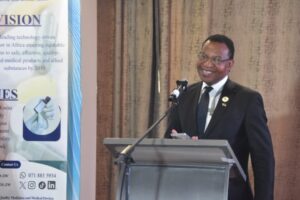
For Dr. Paul Chilwesa, Head of Policy, Population Health and Health Systems Strengthening for Africa at Roche, the significance of the new network lies in ensuring that women are not simply the subjects of health programmes but active participants in shaping them.
Chilwesa repeatedly stressed the distinction between doing something for women and doing it with them.
“It’s not for her, it’s with her,” he said.
He said that distinction should influence how policymakers, health professionals and partners design interventions. Chilwesa also challenged stakeholders to look beyond the immediate clinical response after a woman receives a cancer diagnosis.
“What is her tomorrow?” he asked.
He said the consequences of women’s cancers extend from households to communities and national economies, noting that women play critical roles in informal care, household stability and the workforce.
According to Chilwesa, 89 percent of Africa’s breast cancer burden affects women in their peak working years, contributing to an annual economic loss of more than US$16 billion across the continent.
He said investment in diagnosis, primary healthcare integration and innovative therapies should therefore be viewed not only as health expenditure but as an investment in economic resilience and health security.
“We are buying back time for families, workforce productivity, and national resilience,” he said.
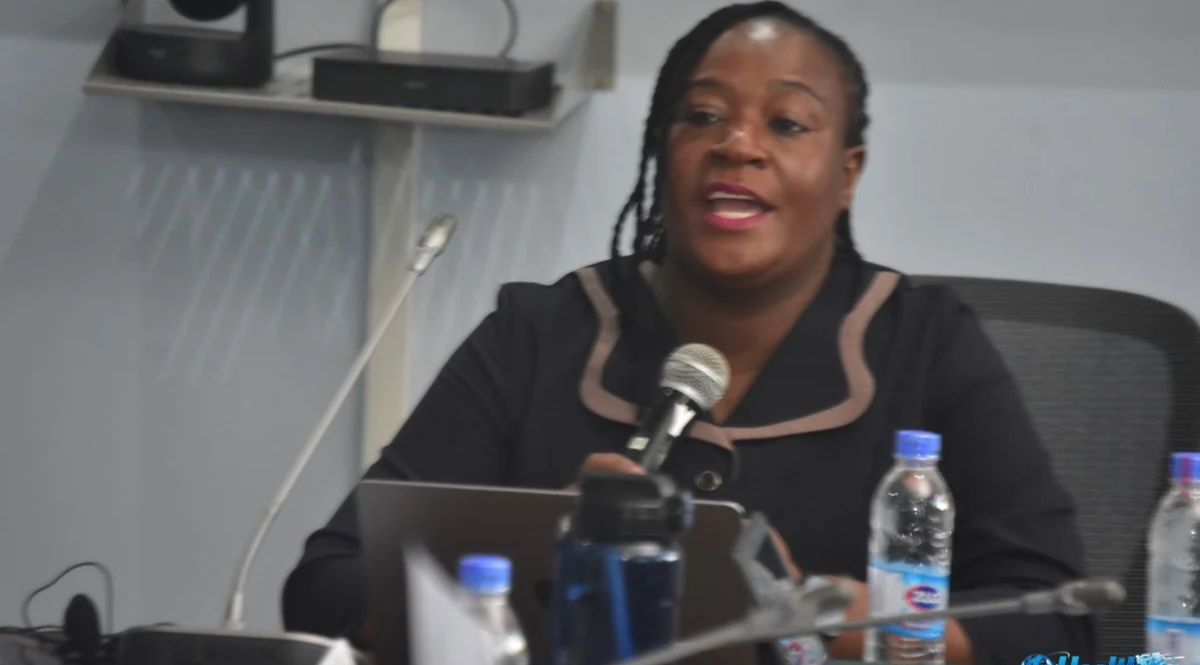
Dr. Zainab Shinkafi-Bagudu, President of the Union for International Cancer Control (UICC), said the new network would need broad and sustained partnerships if it was to make a meaningful difference. Drawing on her experience as a former First Lady, Shinkafi-Bagudu said cancer control could not be driven by one institution or political office.
“I was one of those that used to be quite critical of the role that the organization was playing and the inability to make it really matter and create a difference for the women in African communities,” she said.
Her experience, she added, had shown her that lasting change required collective ownership.
“We need more from the WHO. We need organizations like Africa CDC. We need the Union for International Cancer Control,” she said.
Shinkafi-Bagudu pointed to Nigeria’s experience in HPV vaccination as an example of what political leadership can achieve when it is connected to practical interventions. She said 17 million girls had been vaccinated in Nigeria through recent efforts, compared with about six million girls vaccinated across the continent three years earlier.
She said UICC, with more than 1,200 member organisations across more than 170 countries, was ready to work with the new network to translate its commitments through national cancer programmes.
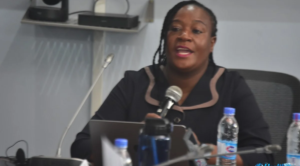
The importance of listening to women themselves was reinforced by Dr. Fatou Wurie, Founder and CEO of Youterus Health, who said women’s experiences often reveal health problems long before they become formal diagnoses.
Wurie shared her own experience of living for 23 years with symptoms that were repeatedly normalised, saying the experience had shaped her work listening to women across Africa.
Her organisation’s community research in Sierra Leone and Nigeria, involving 1,000 women across 39 communities in six districts of Sierra Leone, showed how women’s routine health concerns could provide opportunities for identifying serious disease.
Among women who initially sought help for abnormal bleeding were cases that led to the identification of cervical and endometrial cancers. Wurie said the experience demonstrated why women’s health services should not operate in isolation.
“We know now that women need integrated care, early recognition, and more frequent, better connected points of access for routine women’s health care,” she said.
She argued that cancer screening should be integrated into routine women’s health services and that women’s voices should influence policy, research and investment decisions.
The concerns raised at the launch come against a substantial burden of women’s cancers across Africa. The WHO Regional Office for Africa estimated that 117,493 women developed cervical cancer in the African Region in 2024, while 69,600 died from the disease.
Cervical cancer remains one of the region’s major women’s health challenges, with HPV vaccination, screening and timely treatment among the key interventions available to reduce deaths.
Breast cancer outcomes also reveal a significant survival gap. WHO’s Women’s Integrated Cancer Services programme reports that only five in 10 women diagnosed with breast cancer in an African country survive for five years, compared with more than 90 percent in high-income countries.
The figures point to the consequences of late diagnosis, fragmented health services and limited access to referral and treatment.
For the leaders behind Together With Her, the new network is therefore intended to move the conversation beyond awareness and into the systems that determine whether a woman can actually obtain care.
Chilwesa said this was particularly important because women’s cancer advocacy often receives heightened attention during October, but the needs of women do not disappear when awareness campaigns end.
“Yet in Africa, women’s cancers do not end in October,” he said.
The network’s challenge will now be to translate the political visibility generated by African First Ladies into stronger policies, financing, screening programmes, referral systems and treatment pathways.
Bio called on governments and partners to ensure that the initiative produces measurable results rather than becoming another platform for declarations.
For the organisers, the central message of the launch was therefore not simply that African women need more cancer awareness, but that they need health systems capable of responding when they seek help.
The Together With Her Network now seeks to provide a continental platform through which governments, First Ladies, health institutions, civil society, private-sector partners and women themselves can work together to close gaps in cancer prevention and care. The test, speakers agreed, will be whether that collaboration can move from a launch platform in Addis Ababa into sustained action in communities across Africa.