
By Kuda Pembere
Zimbabwe has deployed 71 X-ray machines across the country’s districts to strengthen tuberculosis (TB) screening and early diagnosis, with nationwide coverage targeted by December 31, 2026, Deputy Minister of Health and Child Care Sleiman Kwidini has said.
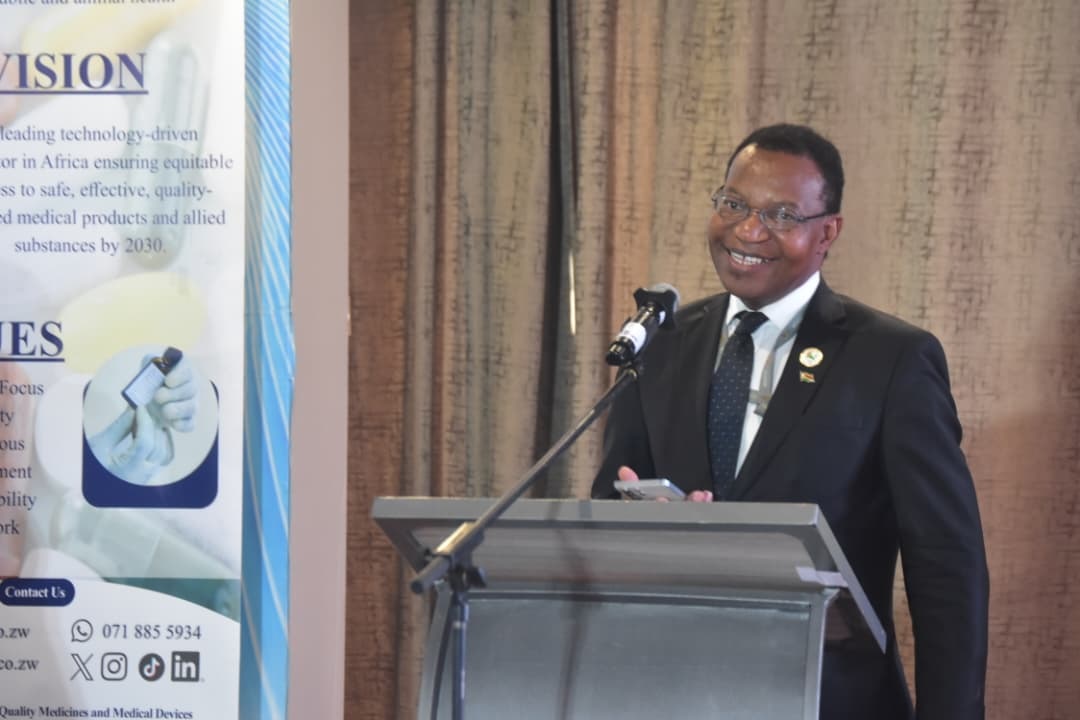
Speaking at the third National TB Conference on Wednesday, Kwidini said the Government was also accelerating the rollout of affordable near-point-of-care diagnostic platforms as part of efforts to strengthen the national TB response.
“Zimbabwe has made important strides in strengthening its TB response. During 2026 we advanced the development of our national TB strategy plan for 2027 to 2030 and accelerated the rollout of more affordable near point of care diagnostic platforms,” he said.
He said the X-ray machines were being deployed to improve access to screening and diagnosis at district hospitals, with implementation already covering approximately half of the country.
“Notably Zimbabwe is among the continental leaders in this rollout with significant investment from domestic resources,” Kwidini said.
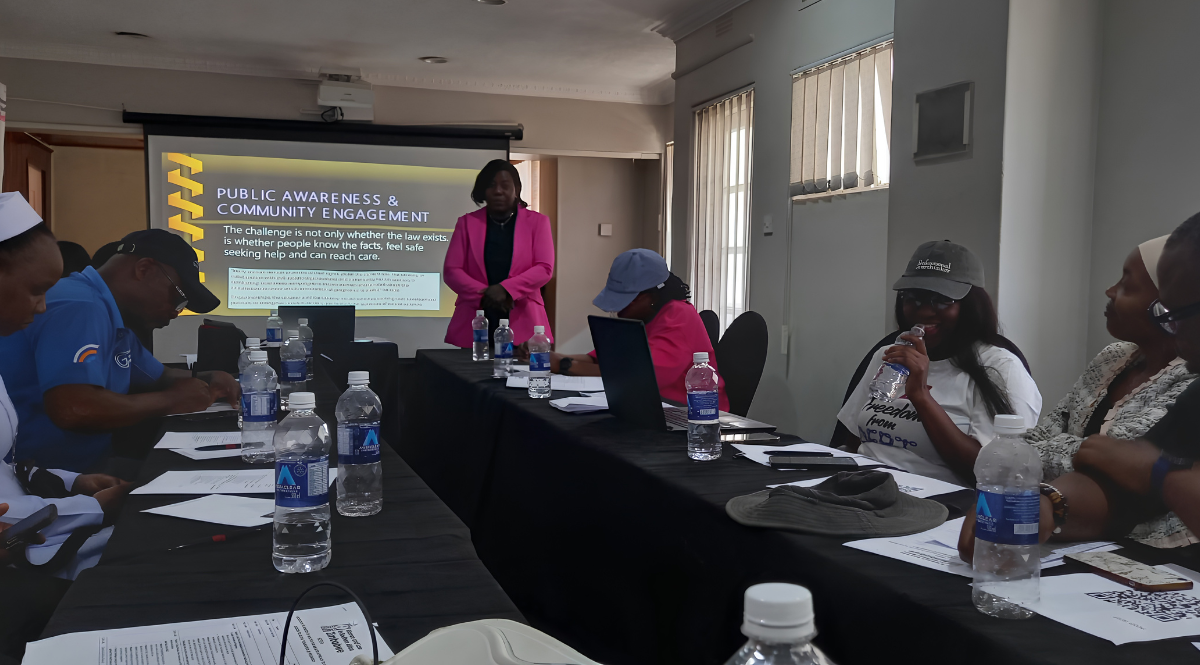
The conference, held under the theme, “Accelerating the Path to End TB: Innovation, Resilient Systems and Collective Action Towards 2030”, brought together stakeholders to assess progress towards ending TB as a public health threat.
Kwidini said Zimbabwe had recorded a decline in its estimated TB burden, from approximately 35,000 cases in 2024 to around 26,000 in 2025.
An estimated 22,000 people were diagnosed and placed on treatment last year, highlighting the continued gap between the number of people developing TB and those accessing treatment.
“While these figures point to progress in reducing the national disease burden, they also remind us that too many of our people continue to suffer and die from a preventable and treatable disease,” he said.
He said treatment success rates had exceeded 90 percent for both drug-sensitive and drug-resistant TB, crediting health workers, communities, civil society organisations and implementing partners for the progress.
Giving an overview of the national response, Health Ministry Deputy Director for HIV and TB Dr Fungai Kavenga said Zimbabwe was targeting an 80 percent reduction in TB incidence and deaths against the 2015 baseline.
He said the country had recorded an estimated TB incidence of 154 cases per 100,000 people in 2025, compared with 204 per 100,000 in 2024.
Men account for approximately two-thirds of notified TB cases, with occupational exposure, including silicosis, contributing to the disproportionate burden.
“The TB burden in our country is skewed towards men. Men contribute two-thirds of our notifications,” Kavenga said.
He added that approximately half of people diagnosed with TB were also co-infected with HIV, a decline from around 80 percent in 2010.
Kavenga said Zimbabwe had maintained a TB treatment success rate of 91 percent over the past two years and was targeting 95 percent by 2030.
The country’s diagnostic network includes GeneXpert machines and newer near-point-of-care testing technologies.
Kavenga said 212 near-point-of-care diagnostic platforms had been procured and deployed to 106 health facilities, with another 580 expected through the Global Fund’s eighth funding cycle in 2027.
The expansion is intended to extend TB testing to lower-level health facilities and reduce the distance patients must travel to access diagnostic services.
He also said Zimbabwe had deployed 71 X-ray machines since 2023, including approximately 20 ultra-portable units.
Meanwhile, Parliamentary Portfolio Committee on Health chairperson Discent Bajila called for innovative approaches to encourage people to undergo TB screening, saying the process needed to become more appealing within communities.
“We may need to think about how best we can make TB screening fashionable. People should feel that it is cool that they got screened because these days, sense seems to matter less than fashion,” he said.
Jointed Hands Welfare Organisation executive director Dr Donald Tobaiwa called for the integration of TB services with screening for non-communicable diseases, particularly cancers and other lung conditions.
He said existing TB clinics could be used to screen patients for other respiratory conditions, allowing for earlier referrals and treatment.
“It is important and imperative that we engage in a lung health approach, use the TB clinic to ensure that we screen for all other diseases and ensure that an integrated approach then facilitates removal and referral for all other lung health conditions,” Tobaiwa said.