By Kuda Pembere
Parirenyatwa Group of Hospitals and Someone Always Listens To You (SALT Africa) on Friday commemorated World Prematurity Day, highlighting the challenges faced by premature babies and their families and the need to strengthen neonatal healthcare services.
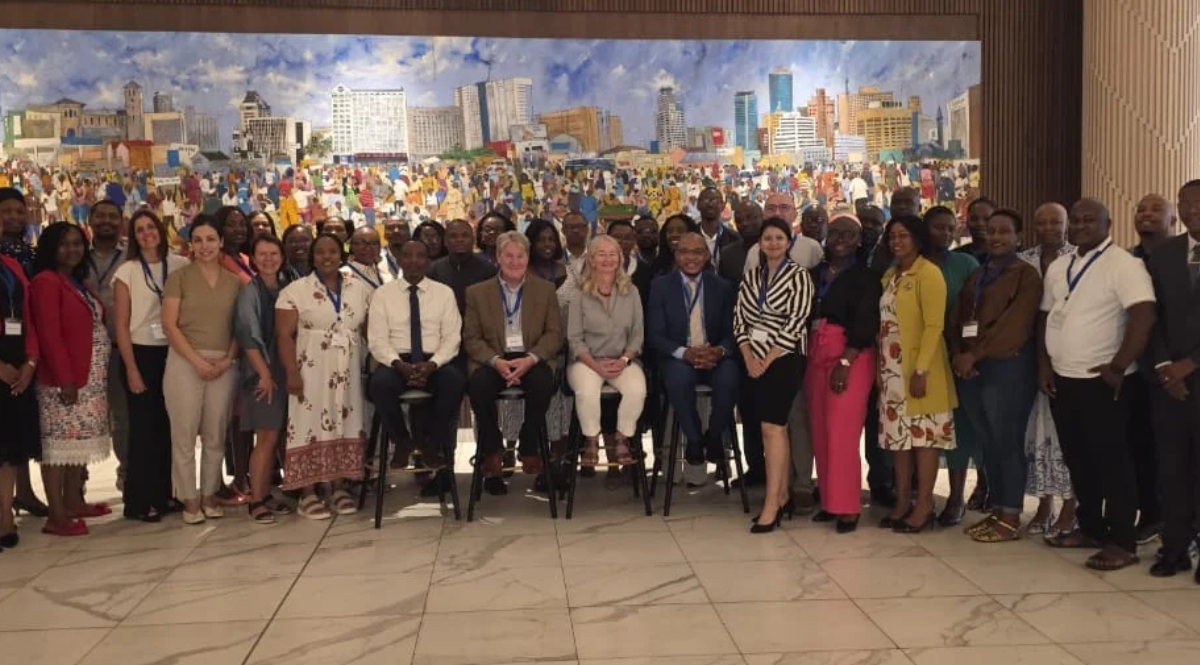
The commemorations brought together healthcare workers, parents, partners and other stakeholders at Parirenyatwa Hospital to reflect on the care and support required to improve the survival and development of babies born before 37 weeks of pregnancy.
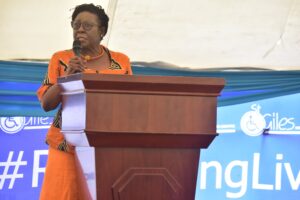
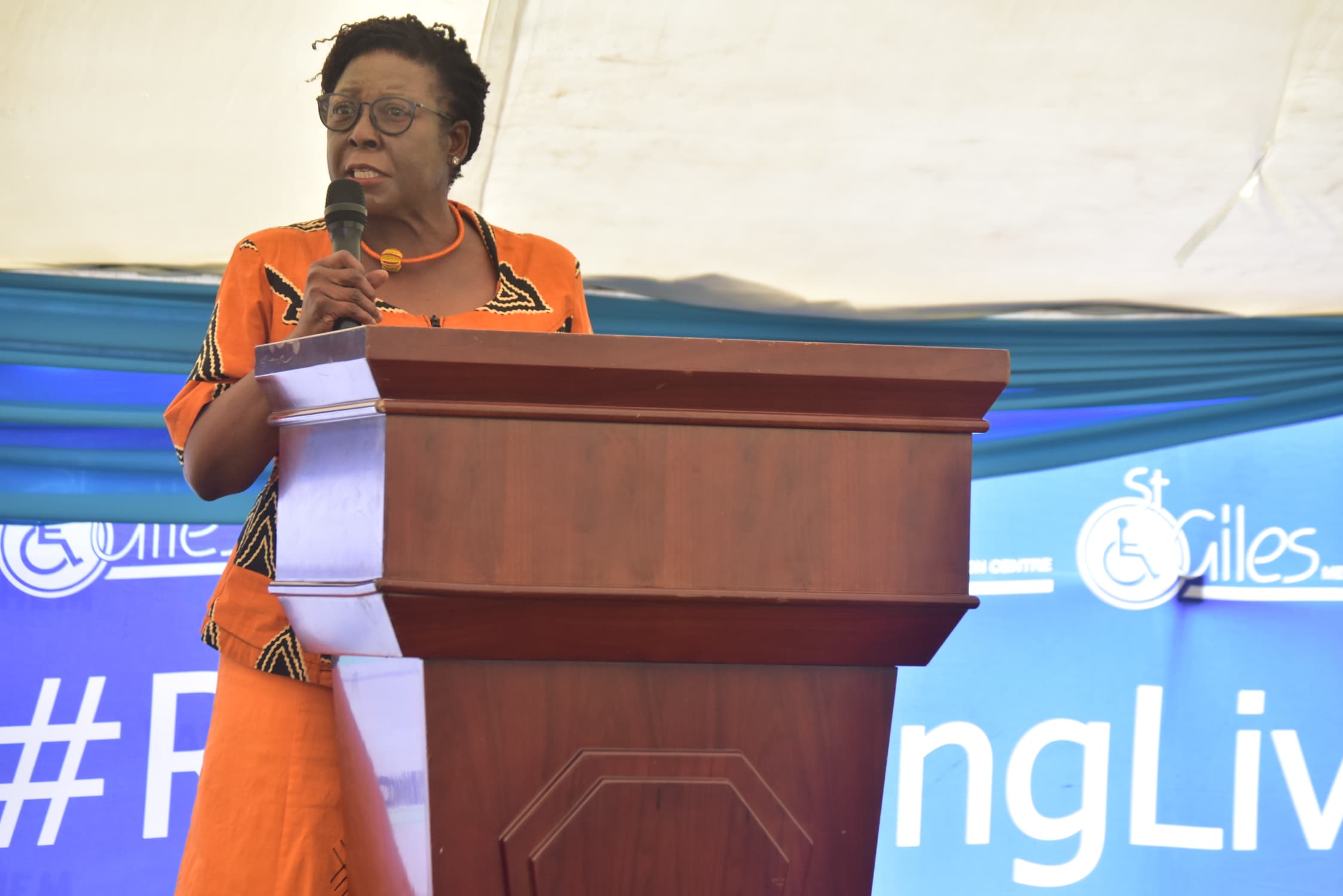
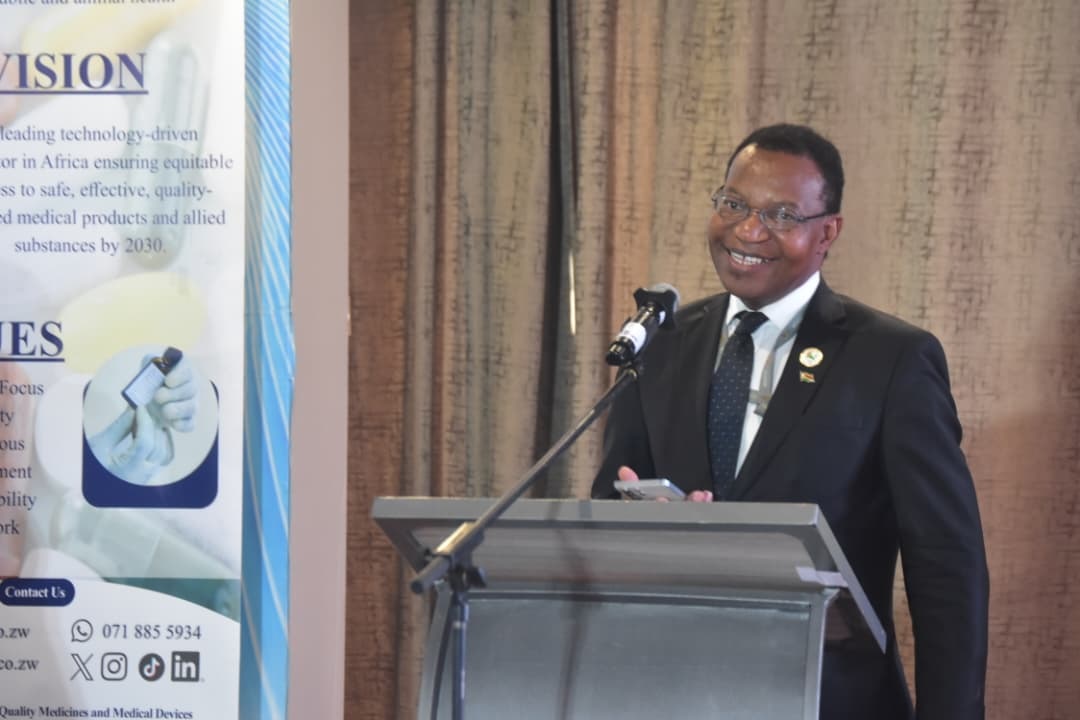
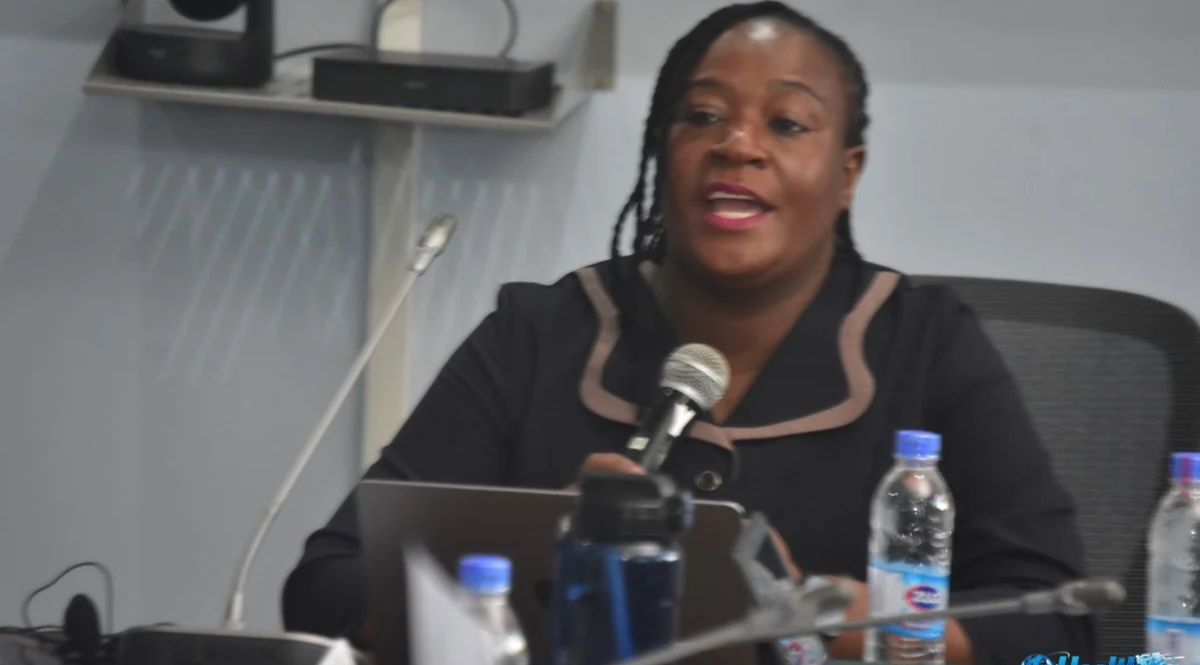
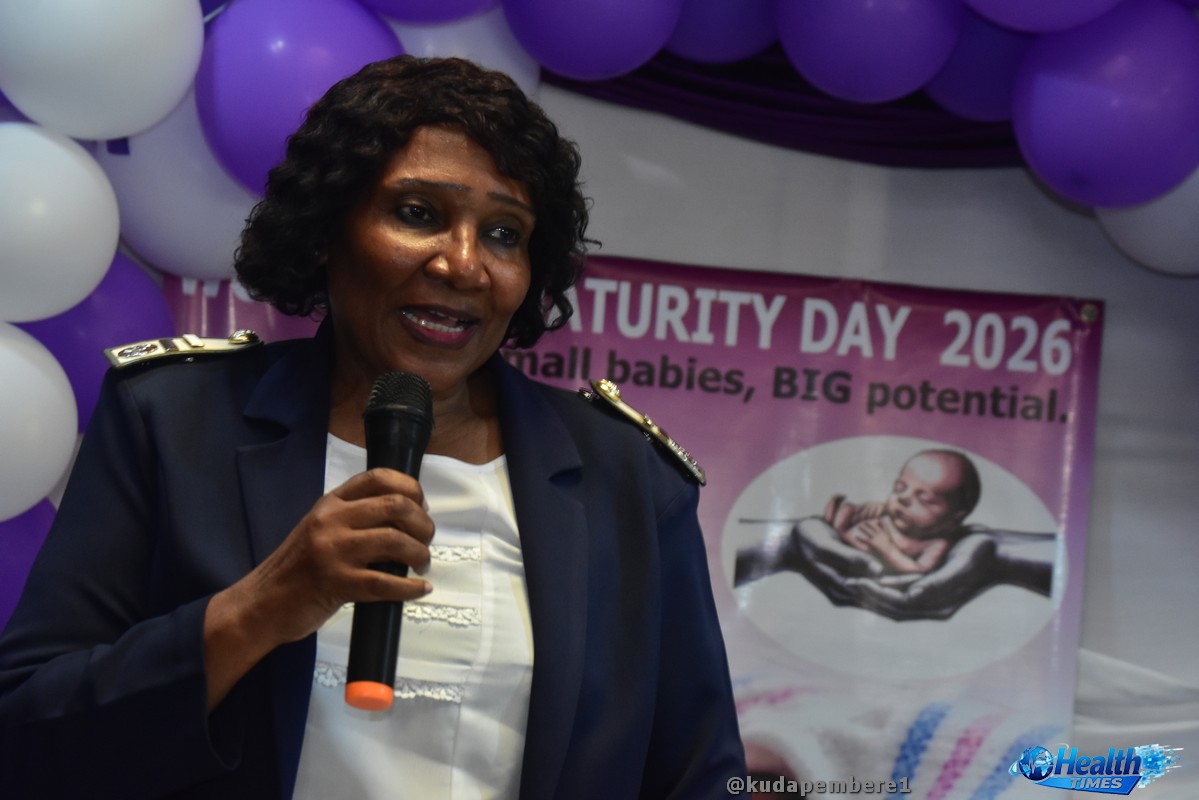
Officiating at the event, Parirenyatwa Hospital Principal Nursing Officer Nomazulu Mpande said premature birth was not only a medical condition but also an experience that affected entire families emotionally and financially.
“Pre-mature birth is not merely a medical condition, it is a family experience that brings uncertainty, emotional distress, financial challenges and sometimes heartbreaking loss.
“However, it is also a story of courage, resilience, hope and survival,” she said.
Mpande said premature babies often required specialised medical attention, including close monitoring, warmth, adequate nutrition, infection prevention and respiratory support.
She said their survival and long-term development depended on the quality, availability and accessibility of neonatal healthcare services.
Mpande called for continued investment in maternal and newborn healthcare, including strengthening antenatal services to identify mothers at risk of premature delivery, improving access to skilled birth attendants and ensuring that neonatal intensive care units had adequate equipment and trained personnel.
She also highlighted the importance of kangaroo mother care, which promotes skin-to-skin contact, warmth, bonding and breastfeeding support for premature and low-birth-weight babies.
She said hospitals should strengthen follow-up services for premature babies after discharge to monitor their growth, hearing, breathing and overall development.
“These interventions must not remain statements on paper. They must translate into practical improvement in our healthcare facilities,” Mpande said.
She called for greater collaboration between Government, healthcare institutions, development partners, the private sector and communities to improve newborn survival.
Meanwhile, Parirenyatwa Hospital neonatal unit medical practitioner Dr Michelle Chinamasa said premature births could result from several factors, including spontaneous preterm labour, infections such as urinary tract infections and multiple pregnancies.
She defined prematurity as any birth occurring before 37 completed weeks of gestation.
Chinamasa said babies could also be classified according to birth weight, with low-birth-weight babies weighing less than 2,500 grammes, very low-birth-weight babies below 1,500 grammes and extremely low-birth-weight babies below 1,000 grammes.
She said premature babies required different levels of medical attention depending on their gestational age and birth weight.
S.A.L.T Africa founder and executive director Tafadzwa Meki said the organisation was working with the hospital to provide psychosocial support to mothers and families dealing with premature births.
She said families often faced anxiety, depression and financial difficulties due to unexpected medical expenses and prolonged hospital stays.
“When a mother or a family is faced with a pre-term birth, the likelihood of increased expenses, unexpected expenses, prolonged stay in the hospital, an unwell baby, go higher than that of a baby who is born,” Meki said.
She said counselling services had helped mothers cope with the emotional challenges, while the partnership had created an environment in which mothers could support one another during their babies’ hospitalisation.
“We have seen that this collaborative approach has enabled us to create an environment that cascades Ubuntu, among the hospital-confined, and these mothers have formed a village within the hospital where they get to support each other,” she said.
One of the mothers who attended the commemorations shared her experience of delivering triplets, one of whom died, leaving her with two surviving twins.
She commended Parirenyatwa Hospital’s healthcare workers for the counselling and medical support she received during childbirth and the subsequent care of her babies.
World Prematurity Day is observed annually to raise awareness about premature births, improve understanding of the challenges faced by affected families and promote better care for babies born too early.