By Michael Gwarisa in Kwekwe
On the clotheslines outside the boarding house at St Jude’s High School in Kwekwe, freshly washed uniforms sway gently in the morning air as girls prepare for another day in the classroom.
Inside, the rooms are already tidy. Beds have been made and the girls are getting ready for school, settling into a routine that has become part of everyday life at the boarding facility.
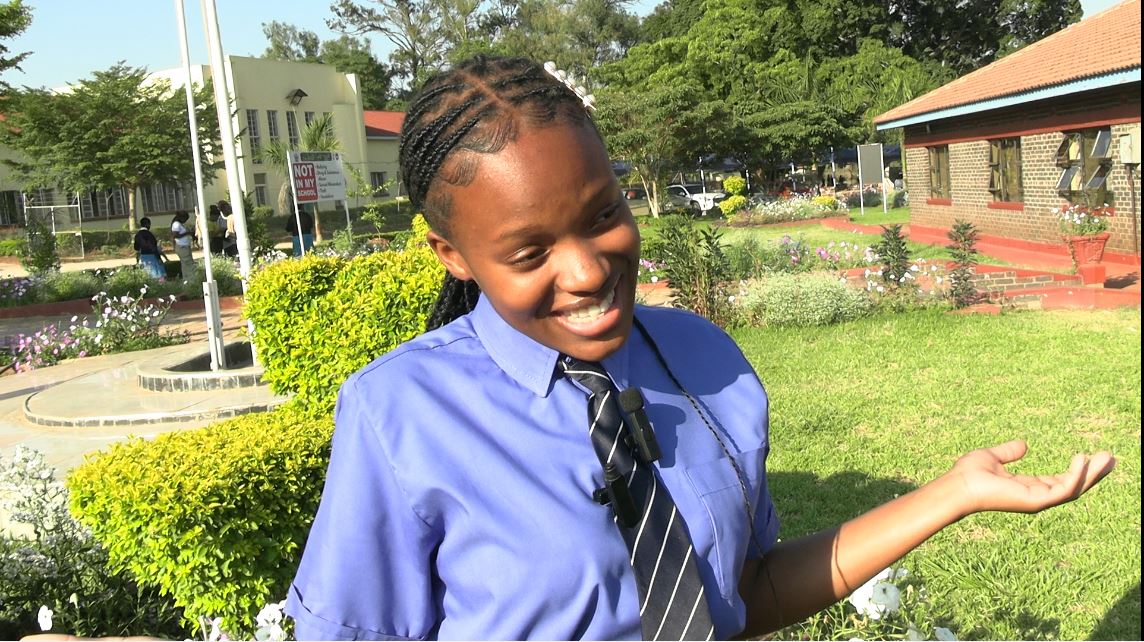
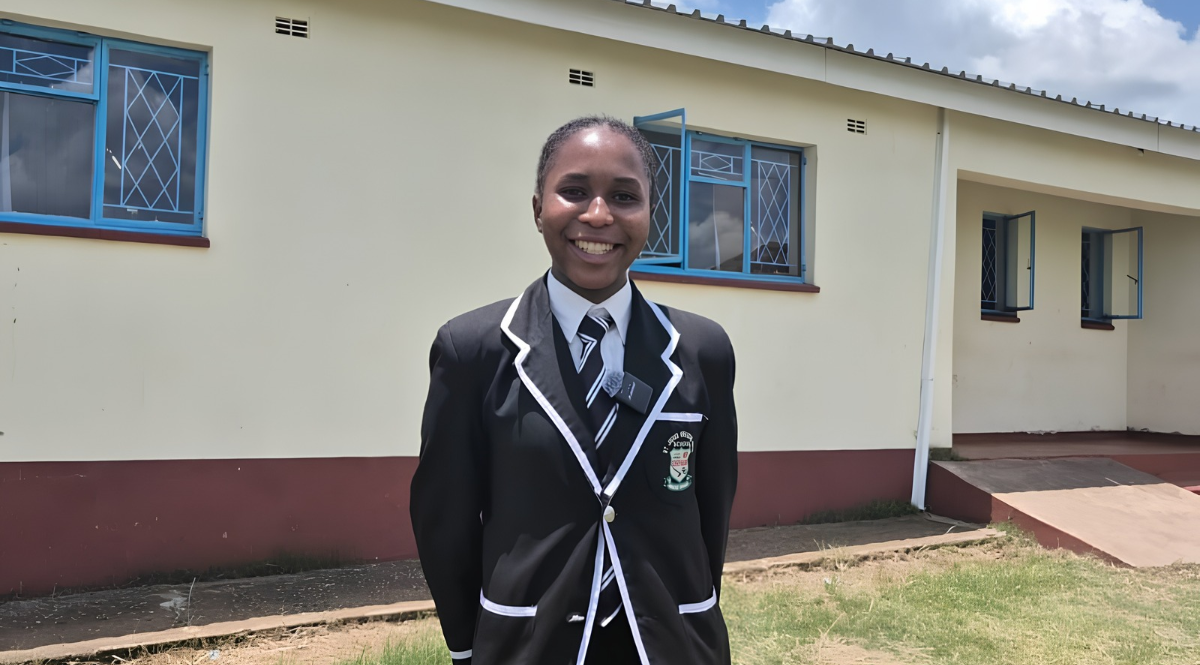
For 18-year-old Nyaradzo Makwetura, the routine has brought something she did not always have before: time.
A Lower Six student at St Jude’s, Nyaradzo comes from Mavole village, about 10 to 11 kilometres from the school. Before moving into the boarding facility, the journey to school and back left her tired and with little time to study.
“Being accommodated in the boarding facility has actually helped me a lot in my studies,” she says.
“Unlike before when I would struggle to study because I was exhausted, the time that I was wasting is now less. The boarding facility has helped because I am now able to study for more hours.”
For Nyaradzo, the difference is not only academic. Living at school means she is under the supervision of matrons and away from some of the pressures and influences that can confront girls growing up in rural communities.
She believes the arrangement has given her a better chance of focusing on her education and achieving the results she wants.
“I know I am now able to come out with the best results,” she says.
Nyaradzo’s experience is at the heart of an intervention that the National AIDS Council sees as much more than an education programme.
The sustainable boarding facilities are part of Zimbabwe’s broader response to HIV among adolescent girls and young women, recognising that the factors that place girls at risk of HIV often begin well before they enter a clinic.
In Kwekwe, long distances to school have been one of those challenges.
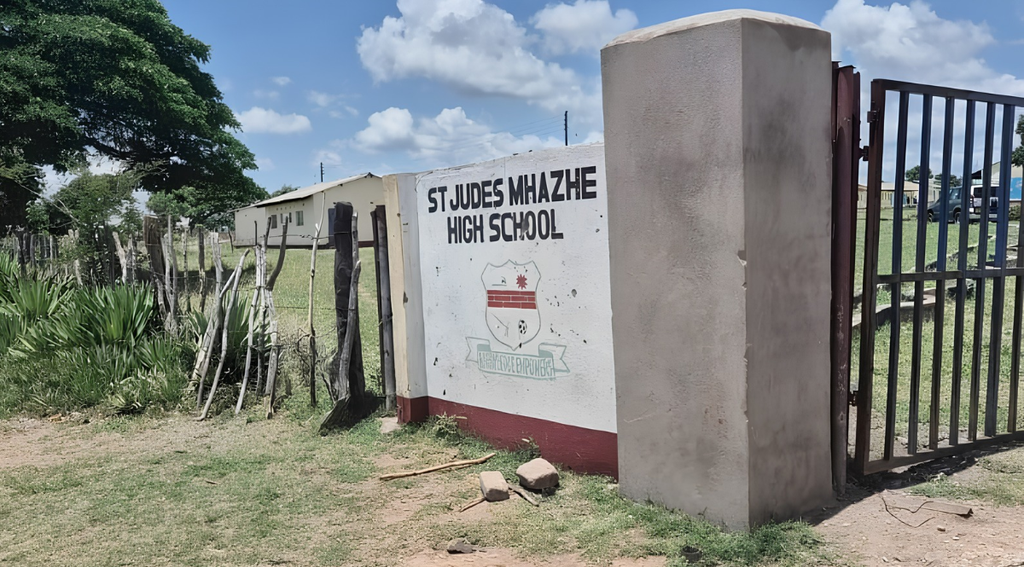
According to Kwekwe District AIDS Coordinator Thamsanqa Brayan Sitsha, the district has been recording an average of around 100 school dropouts, with girls particularly affected. Consultations with the Ministry of Education and Plan International identified long distances to school, child marriages and teenage pregnancies among the major reasons girls were dropping out.
For girls living in communities far from secondary schools, getting an education can therefore involve more than simply making the journey to class each morning.
Some travel as far as 15 kilometres one way to reach St Jude’s, while the school draws learners from feeder schools within a radius of about 30 kilometres.
Sitsha says the long journeys have contributed to absenteeism and exposed some girls to additional risks, particularly in communities where artisanal mining is common.
“Given the long distances that girl children travel, there are issues of absenteeism,” he says, explaining that some girls became vulnerable to relationships with artisanal miners and early sexual debut.
For the National AIDS Council, these are not separate problems. A girl who drops out of school because she cannot manage the distance may become more vulnerable to early marriage or teenage pregnancy. Early sexual debut can, in turn, increase vulnerability to HIV and other sexual and reproductive health risks.
That is why the boarding facilities were conceived as part of the HIV response.
The programme began with support from the Global Fund and the National AIDS Trust Fund, with the intention of creating safe spaces for girls who would otherwise have to travel long distances or find alternative accommodation closer to school.
Before the facilities were established, Sitsha says some girls stayed in teachers’ cottages or even found places at shops because they could not travel home every day. These arrangements did not always provide the security or supervision that adolescents needed.
The boarding facilities offered a different option: accommodation within the school environment, with security and adult supervision. At St Jude’s, the growing number of girls using the facility suggests there was a need for such a space.
School head Mrs Siphethangani Gumede says only 11 learners were accommodated in 2023. By January 2024, the number had increased to 28, rising to 32 after the official opening of the boarding house.
There were 48 learners in 2025. This year, the number is around 60. The facility, however, was originally designed to accommodate only about 38 learners.
“The boarding house is becoming small. We have got more number of population,” Gumede says.
The demand is also reflected in the wider support being provided to vulnerable girls in the district. Through the DREAMS programme, implemented by Plan International, the National AIDS Council is supporting about 2,772 vulnerable adolescent girls in Kwekwe with education subsidies, including school fees, uniforms and stationery.
The idea is straightforward: if poverty, distance and unsafe living arrangements can push girls out of school and towards situations that increase their vulnerability, then keeping them in school and creating safer environments can form part of the prevention response.
For Nyaradzo, the impact of that approach is measured in something more immediate than statistics.
She remembers how difficult it was to concentrate on her studies when she was exhausted from travelling. Now she has more time to read, more support around her and the confidence that she can improve her results.
The boarding facility has also given her a sense of security at a stage of life when, as she puts it, “boys will always be boys” and young girls can face pressure from different directions.
For the school, meanwhile, the challenge has shifted from getting girls into the boarding house to finding enough space for all those who need it.
The facility that was built for 38 learners is now accommodating about 60. That pressure is, in many ways, a measure of its success. At St Jude’s, the boarding house has become part of a larger effort to ensure that a girl’s chances of completing school are not determined by how far she lives from the classroom or by the circumstances of the community in which she grows up.
And for the National AIDS Council, that matters because HIV prevention does not begin and end with testing, treatment or condoms.
Sometimes, it can begin with something as basic as giving a girl a safe place to sleep, enough time to study and the opportunity to stay in school. For Nyaradzo, that opportunity is already shaping how she sees her future. She now believes she can produce the results she wants.