By Michael Gwarisa
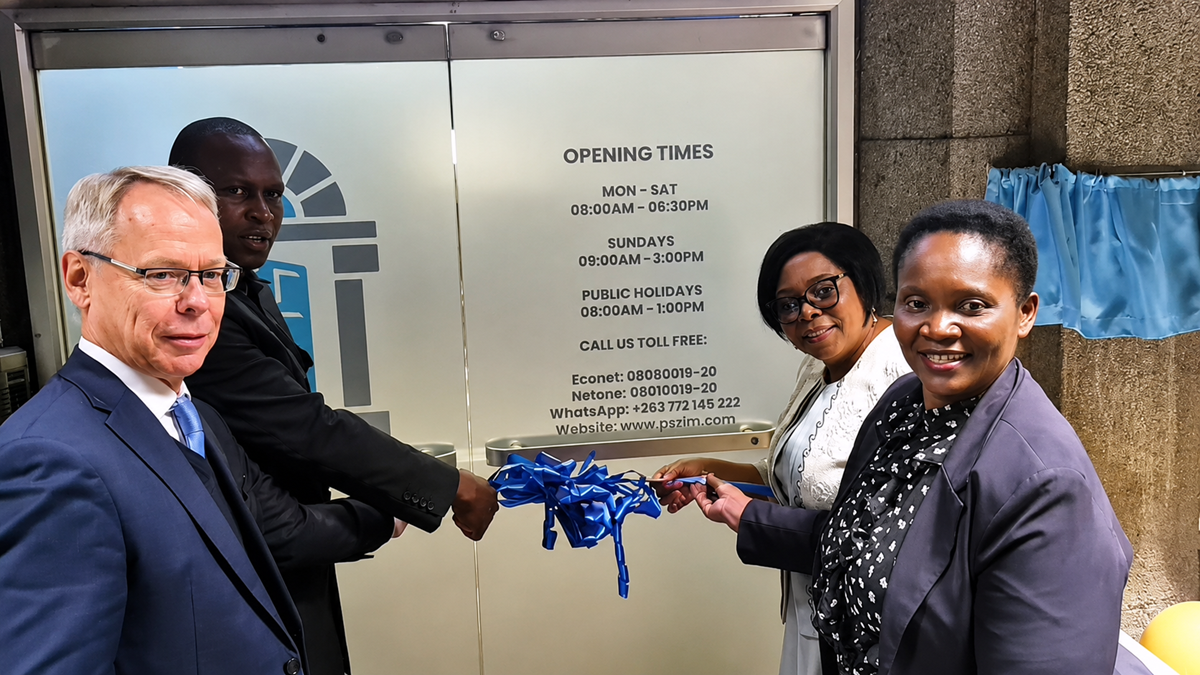
Population Services Zimbabwe (PSZ) has opened a new clinic in Harare’s Central Business District, expanding access to sexual and reproductive health, primary healthcare and non-communicable disease services for people who live and work in the city centre.
The clinic, located at Eastgate Mall, will provide a range of services including family planning, HIV testing, sexually transmitted infection (STI) screening and treatment, cervical cancer screening, prostate cancer screening, hypertension and diabetes management, menopause care and other primary healthcare services.
Officiating at the opening on Wednesday, Deputy Minister of Health and Child Care Sleiman Timios Kwidini said the facility would contribute to Government’s efforts to expand access to quality and people-centred healthcare.
“Zimbabwe’s development agenda is anchored on Vision 2030, with the goal of creating a prosperous and empowered upper-middle-income society. At the heart of that vision is a simple truth: there can be no prosperous nation without a healthy population,” Kwidini said.
He said the clinic would bring healthcare closer to thousands of people who live, work and conduct business in the Harare CBD, encouraging them to seek care early and make use of preventive health services.
The Deputy Minister also highlighted the importance of the facility in strengthening access to sexual and reproductive health services, particularly family planning and adolescent health.
“Today’s occasion is particularly important because it strengthens Zimbabwe’s commitment to sexual and reproductive health, family planning and adolescent health,” he said.
Kwidini said Government was working to reduce unmet need for family planning, improve access to age-appropriate information for young people, remove barriers to contraceptive use and strengthen commodity security.
He added that the clinic would provide an important platform for integrated, confidential and adolescent-friendly services.
“Importantly, family planning is not simply about contraception. It is about enabling individuals and families to make informed choices about their health, their future and the wellbeing of their children,” he said.
The Deputy Minister also urged Zimbabweans to prioritise preventive healthcare as the country faces a growing burden of non-communicable diseases, including hypertension, diabetes, cardiovascular diseases and cancers.
“We therefore need to move from a culture of treating illness to one that emphasises prevention, screening and early diagnosis,” he said.
Swedish Ambassador to Zimbabwe Per Lindgarde said Sweden had supported PSZ for eight years, providing about US$20 million towards its work.
He said the programme had made a positive contribution to reducing maternal deaths, unintended pregnancies and unsafe abortions.
“We are very glad that we have been able to support PSZ for so many years and I think also to open a clinic here in the very city centre of Harare will help people to get access to sexual and reproductive services,” Lindgarde said.
He said Sweden would also support the opening of another PSZ clinic in Bulawayo in September. PSZ Country Director Pester Siraha said the Eastgate clinic was strategically located in the CBD because many people spend most of their working day there.
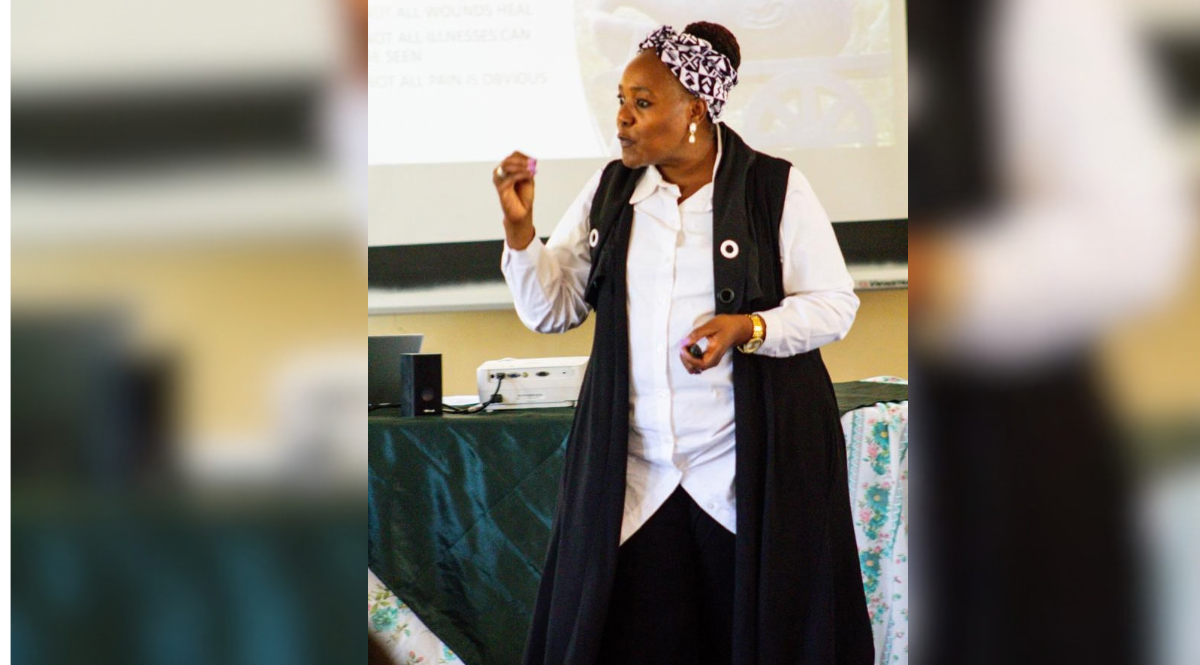
“Our clinics have been outside, like in the high densities in Fakose, high density in Mbare, in Chitungiza. But we have realised that the majority of the people, like in Harare, they come into the CBD. They spend most of their time in the CBD,” Siraha said. She said the location would make it easier for working people, traders and others who come into the city centre to access quality healthcare.
The clinic will offer family planning, sexual and reproductive health services, general healthcare, STI screening, cervical cancer screening, hypertension and diabetes management, as well as youth-friendly services. Siraha said PSZ’s national service delivery network now enables the organisation to serve more than half a million clients annually.
The organisation operates seven static clinics, eight mobile outreach teams, supports 225 public health facilities through public sector strengthening and works through a social marketing network of more than 200 outlets across Zimbabwe.
Adolescents account for approximately 11 percent of PSZ’s clientele. Siraha said PSZ would continue complementing Government’s efforts by expanding access to healthcare, supporting innovation, strengthening community-based healthcare and reaching populations requiring additional support. The new clinic will also provide services focused on prevention and early detection as Zimbabwe confronts the rising burden of non-communicable diseases.
Services will include primary healthcare consultations, preventive healthcare packages, diagnostic services, menstruation support, menopause management, fertility interventions, cervical cancer screening and other sexual and reproductive health services.