
By Health Times Correspondent
The International AIDS Society (IAS) has applauded a bipartisan effort in the U.S. Senate to safeguard the U.S. President’s Emergency Plan for AIDS Relief (PEPFAR) from a proposed $400 million funding cut that had originated from President Donald Trump’s rescission package. However, advocates caution that the battle is far from over. Both the Senate and House of Representatives must still vote on the final budget package, and last-minute changes could emerge before the statutory deadline.
PEPFAR, launched in 2003 by President George W. Bush, is widely regarded as one of the most impactful global health initiatives. It has provided antiretroviral treatment to millions of people worldwide and helped prevent countless new HIV infections. During the Trump administration, from 2017 to 2021, the program repeatedly faced proposed budget cuts as part of broader reductions to U.S. global health spending. The proposed $400 million cut, included in a broader clawback of federal spending, drew fierce criticism from public health experts who warned that slashing PEPFAR’s budget would undermine decades of progress in the global HIV/AIDS response.
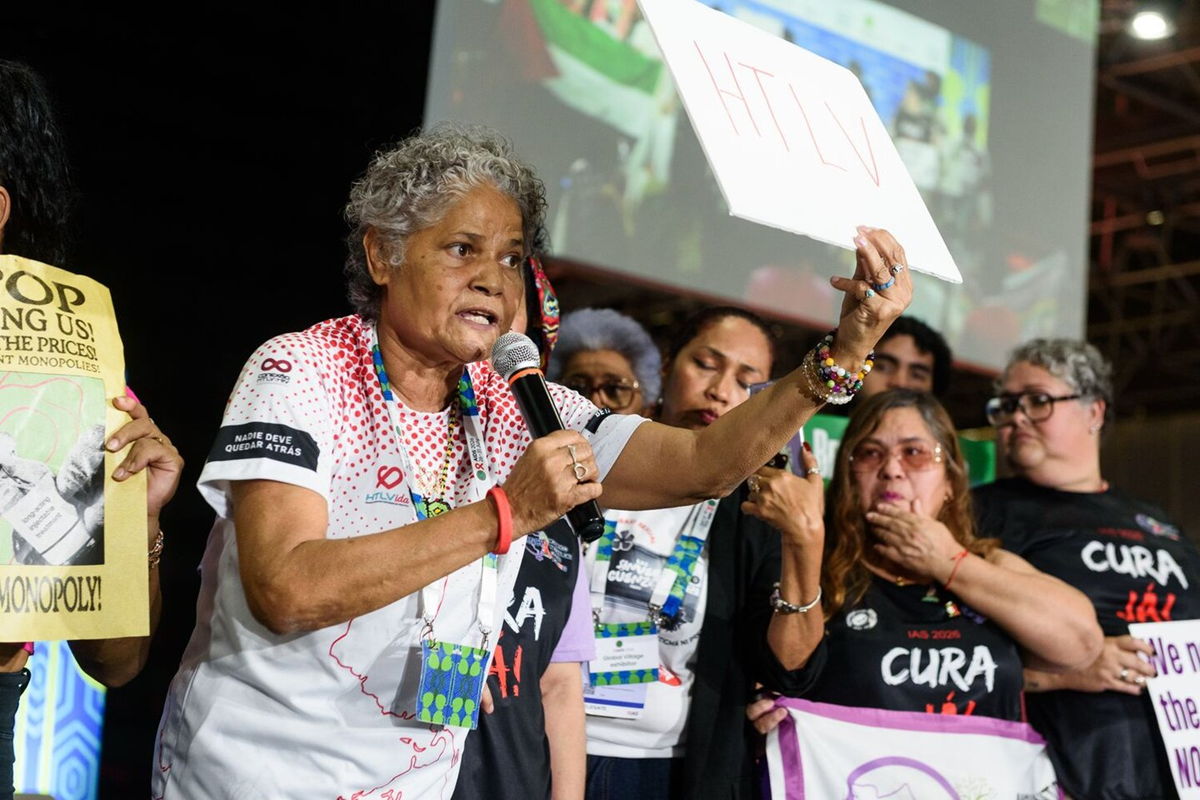
IAS President Dr. Beatriz Grinsztejn, speaking from the ongoing IAS 2025 Conference on HIV Science in Kigali, welcomed the Senate’s move while urging continued vigilance.
PEPFAR has been one of the greatest success stories in global health, transforming the HIV response,” Grinsztejn said. “Global advocacy played a crucial role in persuading U.S. lawmakers to protect this vital program, reminding them that decisions about PEPFAR shape the health and futures of people around the world. Yet uncertainty remains, with ongoing threats to global health funding. We must stay vigilant.”
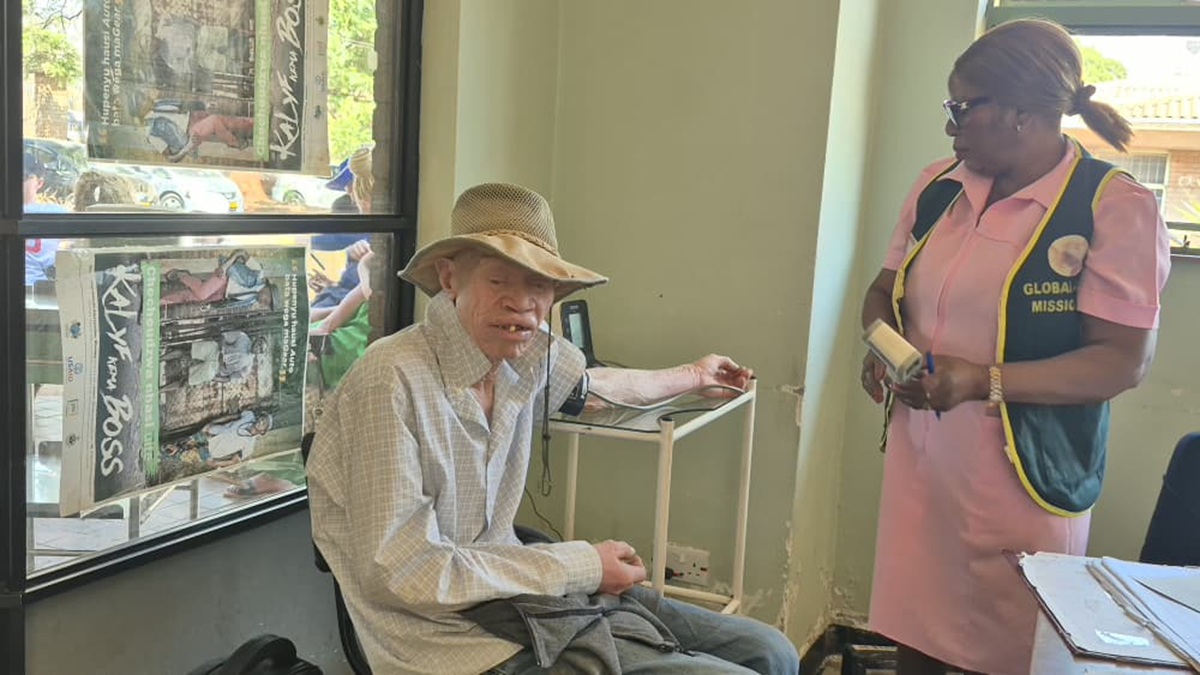
PEPFAR plays an essential role in sub-Saharan Africa, including Zimbabwe, where it supports lifesaving treatment, HIV prevention efforts, and community-based health systems. IAS President-Elect Dr. Kenneth Ngure underscored the need not only for continued international funding but also for stronger African leadership in driving the HIV response.
“PEPFAR is a lifeline for communities across Africa,” Ngure said. “Restoring this funding would mean hope for people living with and affected by HIV. But African leadership must remain at the centre of shaping our response. We need sustainable financing, stronger domestic investments, and strategies to reduce dependence on global donors.”
Since its inception, PEPFAR has saved an estimated 26 million lives and enabled more than 20 million people to access HIV treatment. Experts warn that cuts to its funding could result in severe consequences, including treatment interruptions, increased infection rates, and weakened healthcare systems in low- and middle-income countries.
“The science is clear: PEPFAR works,” Grinsztejn emphasized. “Protecting it could save millions more. We urge U.S. lawmakers to ensure this program continues to receive the support it deserves.”
With the Senate’s decision now in place, the spotlight turns to the House of Representatives, where ongoing budget negotiations will determine PEPFAR’s final allocation. The IAS is calling for swift and decisive action to preserve HIV services and is urging global leaders to continue prioritizing investments in health.