By Michael Gwarisa
The United States Embassy has challenged the Zimbabwean government’s account of why it rejected a proposed multi-million-dollar health assistance agreement, marking the latest development in an ongoing dispute over a deal that would have supported HIV, tuberculosis, malaria and other public health programmes.
The Embassy’s response follows remarks made in Parliament last week by Information, Publicity and Broadcasting Services Minister Honourable Zhemu Soda, who said the government declined the proposed Health Memorandum of Understanding (MOU) due to concerns about the conditions attached to the agreement.
Speaking during a question-and-answer session in the National Assembly, Hon Soda said the proposed package, described by the government as being worth US$367 million, required Zimbabwe to provide biological samples and biological data for research in the United States.
He also told Parliament that the government was concerned that any vaccines developed through such research would not be shared with Zimbabwe.
“As the Government, we felt we could not put the lives of our people at risk because we did not know the intention,” Hon Soda said.
“So, all we did was to protect our citizens by not taking money and by putting lives first. If we are to resume the discussions, these conditions must be removed first.”
In an exclusive response to HealthTimes, however, a spokesperson for the U.S. Embassy disputed the minister’s characterisation of the proposed agreement, saying the Health MOU had been designed to strengthen Zimbabwe’s health system while promoting long-term sustainability.
According to the Embassy, the proposed agreement would have provided approximately US$365 million over five years to support programmes covering HIV/AIDS, tuberculosis, malaria, maternal and child health, laboratory services and outbreak preparedness.
“The United States offered our health assistance to Zimbabwe over a five-year period. The Government of Zimbabwe declined. It assured us they can take care of its own people. We are committed to an orderly handover,” the spokesperson said.
The Embassy rejected suggestions that the agreement would have required Zimbabwe to surrender private health information belonging to its citizens.
“We reject the recent mischaracterization of the terms of the Health Memorandum of Understanding (MOU) made by a high-level Government of Zimbabwe official, which described the MOU as a threat,” the spokesperson said.
According to the Embassy, the proposed conditions focused on three key areas: co-investment by the Zimbabwean government to improve programme sustainability, financial accountability and transparency, and the sharing of biological specimens during disease outbreaks.
The Embassy said specimen sharing during outbreaks is an established international public health practice that supports the rapid development of diagnostics, treatments and vaccines.
It also denied allegations that it sought Zimbabweans’ personal or private health data.
“Assertions that the United States was seeking personal or private data of Zimbabweans are categorically false,” the spokesperson said.
The Embassy further stated that the proposed agreement remained open to negotiation when Zimbabwe decided not to proceed.
“The Government of Zimbabwe declined our offer of this bilateral Health MOU while these specific terms were still open for negotiation,” the spokesperson said.
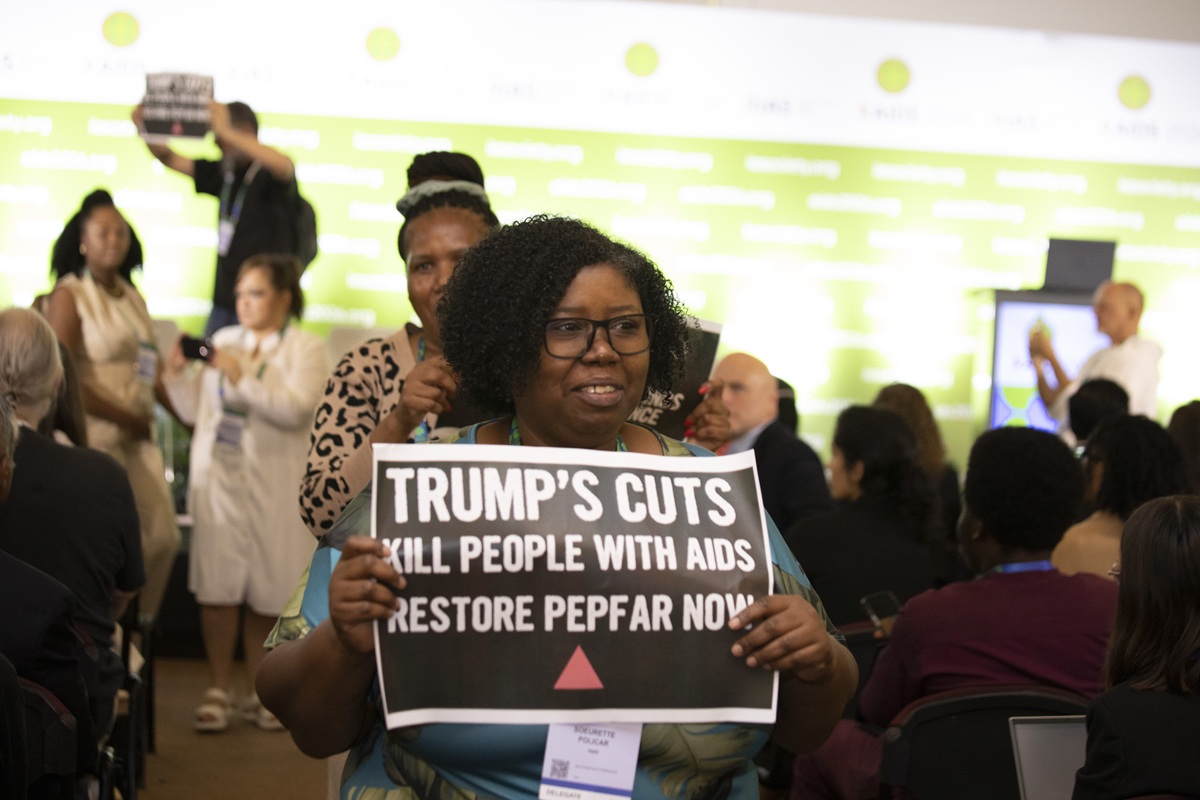
The disagreement comes as Zimbabwe and other African countries continue adjusting to significant reductions in U.S. global health funding following changes introduced by the Trump administration earlier this year.
The proposed agreement formed part of a broader U.S. initiative under which Washington says it concluded 34 bilateral global health MOUs with partner countries, combining more than US$14 billion in U.S. assistance with additional financial commitments from participating governments.
While the two sides disagree over the conditions attached to the proposed agreement, both have publicly indicated support for continued health cooperation.
The Embassy said it remains committed to an orderly transition of U.S.-supported health programmes in Zimbabwe, while Dr Soda told Parliament that the government would be prepared to resume discussions if the conditions it found objectionable were removed.
The differing accounts leave unresolved questions over the specific provisions contained in the proposed memorandum and whether negotiations could resume in the future.