By Michael Gwarisa
African countries that rejected the United States’ proposed “America First” health agreements did so in defence of sovereignty, arguing that some of the conditions attached to the deals were unacceptable. However, as PEPFAR funding transitions continue and concerns grow over the sustainability of HIV programmes, governments may soon face difficult choices between protecting policy independence and maintaining essential health services.
Adding to these challenges, global donor funding for HIV programmes, including contributions from the United States and other international partners, declined by 25% in 2025, according to the 2026 UNAIDS Report. This represents the largest single-year decline in donor funding since the global HIV response began scaling up and brings funding levels to their lowest point since 2007.
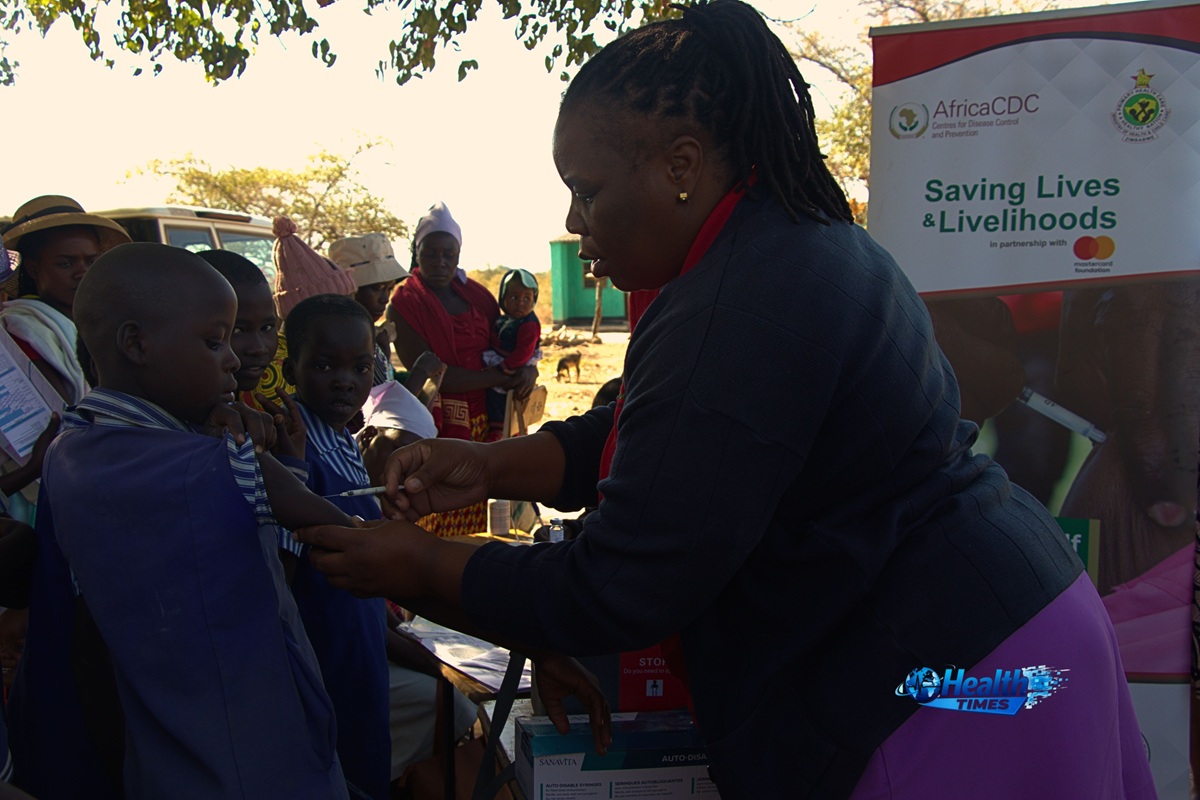
Zimbabwe, which became the first African country to publicly reject the proposed memorandum of understanding, now faces questions over how it will sustain HIV interventions amid declining US support. Recent modelling on the impact of PEPFAR funding reductions suggests that the country could record up to 75,000 new HIV infections in 2027 if mitigation measures are not implemented.
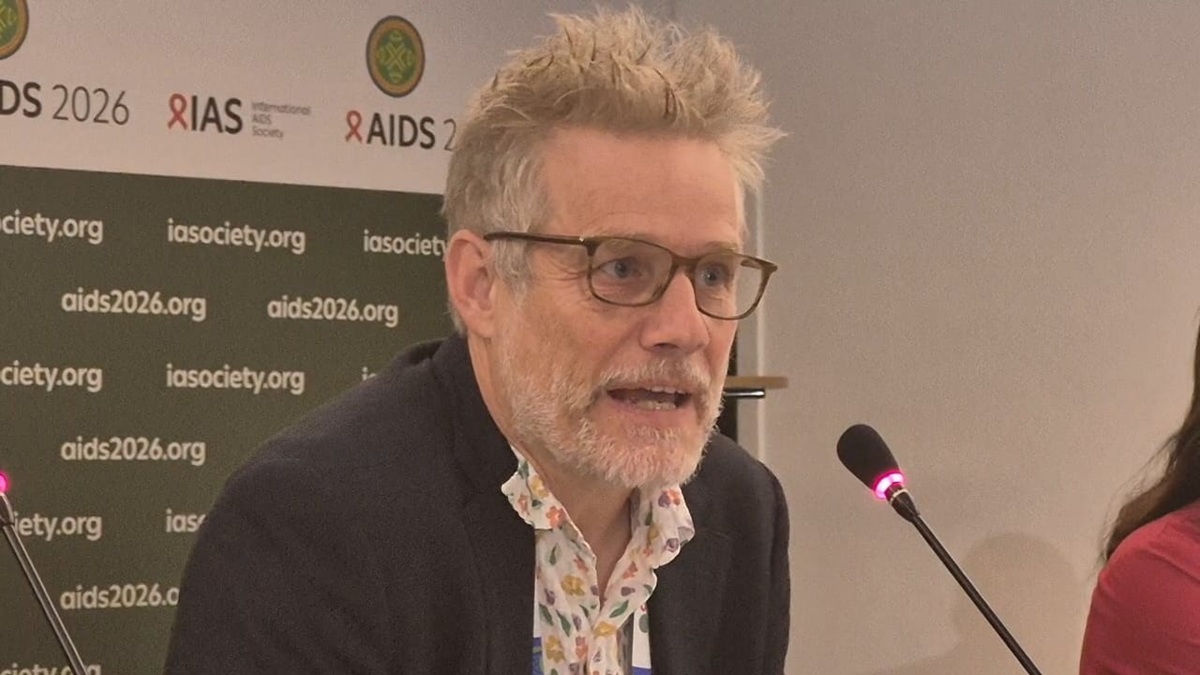
Speaking to journalists during a media roundtable on the sidelines of the 2026 AIDS Conference in Rio de Janeiro, Brazil, former PEPFAR Chief Scientific Officer Mike Reid warned that countries without replacement funding mechanisms could face significant setbacks in controlling HIV.
“In Zimbabwe, the lack of an MoU poses an epidemic threat,” Reid said. “A substantial amount of resources in Southern Africa, where the lion’s share of the epidemic remains, will not be supported by the US government.”
Reid said the funding disruption could have serious consequences for HIV prevention efforts, particularly programmes serving key populations and initiatives aimed at expanding access to testing and prevention innovations.
“One of the main roadblocks to scaling up prevention innovations will be the lack of testing and access to services for key populations,” he said.
While Reid criticised the manner in which the transition has unfolded, he acknowledged that moving towards greater country ownership of HIV programmes had long been a goal supported by many within the global HIV community.
“For the last 28 years, the US has played an absolutely critical role in advancing the global HIV response through PEPFAR, which was always data-driven and equity-informed. Unfortunately, we are now at a point where it is neither equity-informed nor data-driven,” Reid said.
He said the concern was not the principle of transition, but rather the speed, uncertainty and limited consultation surrounding the process.
“PEPFAR needed to transition to country ownership. That is something many of us have been advocating for a long time. But the speed and transactional nature of the process, the lack of deliberation and the lack of transparency are cause for great concern,” he said.
Reid said early analysis from Zimbabwe demonstrated the possible impact of reduced funding, with modelling suggesting that disruptions could contribute to up to 75,000 additional HIV infections in the coming year.
He added that prevention services had already been affected, with condom distribution programmes and key population interventions among the areas facing major disruptions.
“An analysis in Zimbabwe shows that PEPFAR’s pulling out could lead to potentially 75,000 new infections in the next year. Additional analysis also shows profound disruption, with 93% of condom programmes having been PEPFAR-funded, while a substantial amount of key population programmes have also been cut,” Reid said.
Despite the disruption, Reid said the moment could also create an opportunity for African countries to build stronger and more sustainable health systems.
“I hope that this may lead to an HIV response that is Africa-led and more resilient in the future,” he said.
However, countries across the region are responding differently to the proposed agreements, highlighting the complexity of balancing sovereignty, diplomacy and the urgent need to maintain HIV services.
Zambia, which has not publicly rejected the proposed memorandum of understanding, indicated that discussions with US authorities were still ongoing, although officials remained cautious about disclosing details of the negotiations.
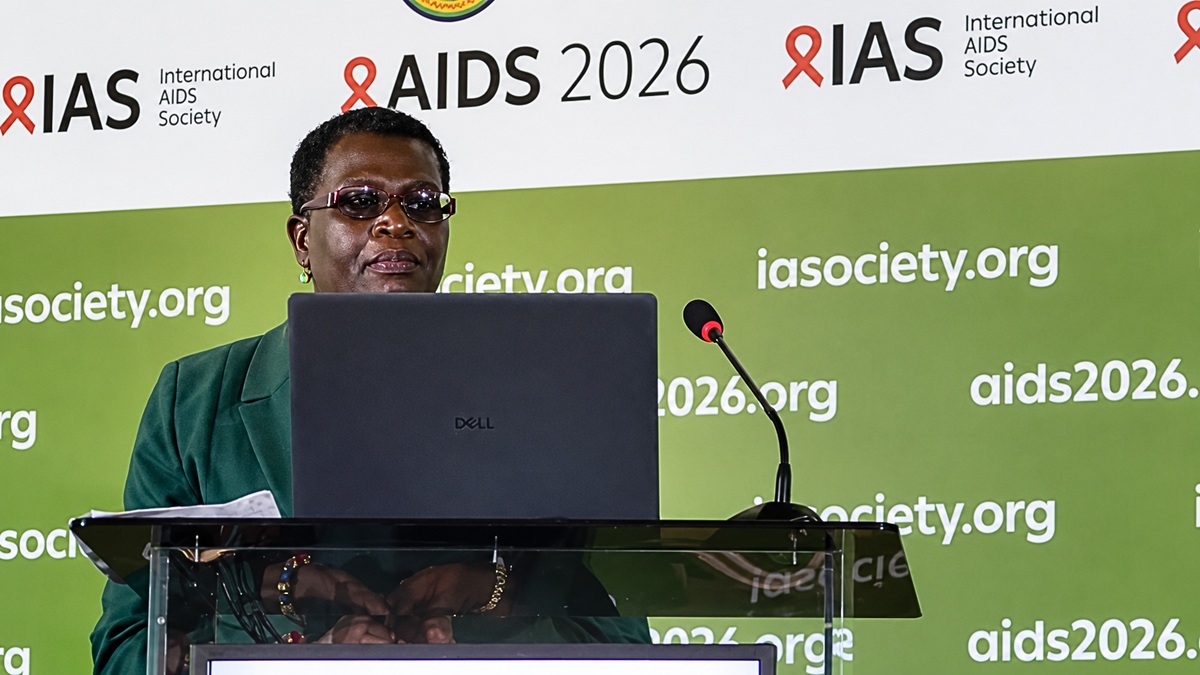
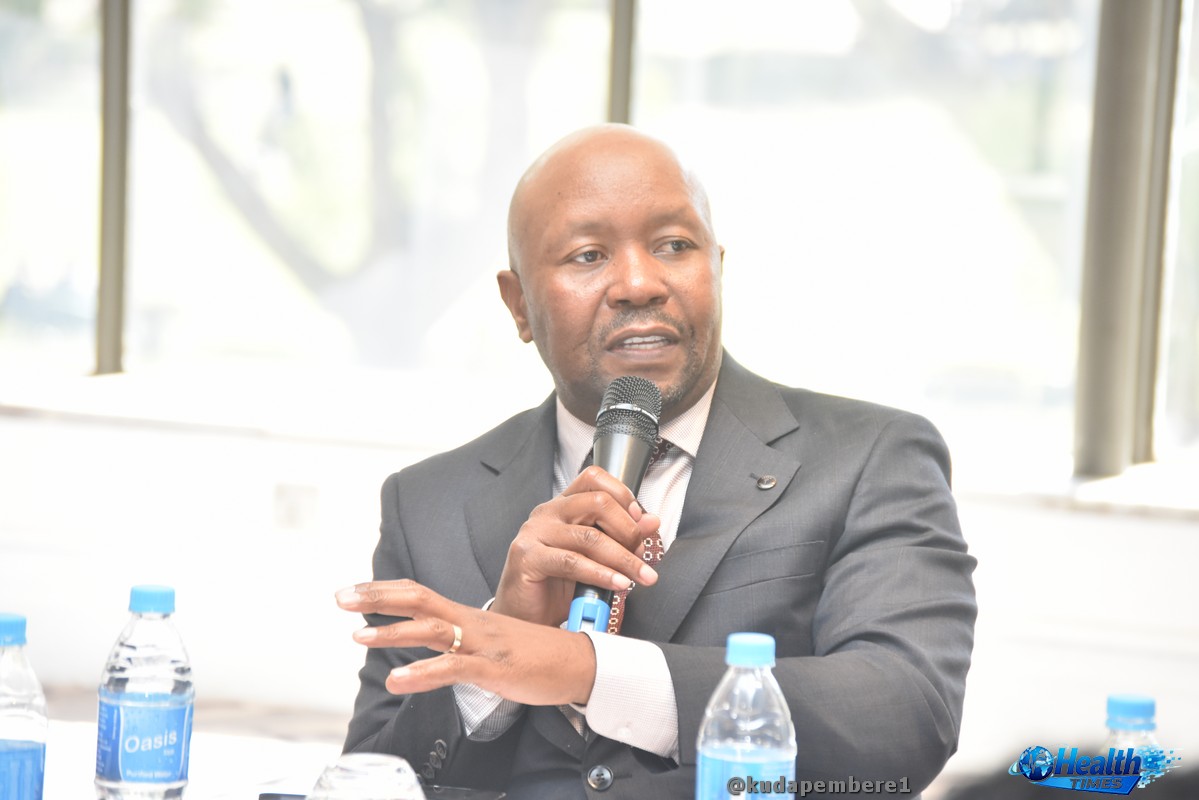
Prof. Lloyd Mulenga, Director of Infectious Diseases, Ministry of Health, Zambia, told journalists during the same roundtable that Zambia’s position remained sensitive while discussions continued.
“I will not try and answer the question as to why Zambia has not yet signed a deal with the US because the information is a bit sensitive. Negotiations are still ongoing. There will be a time when the agreements are concluded, and we are hopeful that there will be a time when these agreements will be signed,” Mulenga said.
Earlier in 2026, reports suggested that the United States was considering linking some assistance to Zambia to broader discussions around access to the country’s mineral resources. The reports, based on a leaked memo obtained by The New York Times, sparked criticism from some Zambian legislators, who rejected any attempt to connect HIV support with wider strategic interests.
South Africa, meanwhile, raised concerns about the process, saying it had not been formally informed about the proposed arrangements.
“We haven’t formally been informed that US funding was ending. We have not been formally approached, and indications are that we are not going to be approached,” South Africa’s Deputy Minister of Health Joel Phalaakla said.
However, he said that should new proposals emerge, there were established diplomatic channels that would need to be followed.
“We do interact. There was supposed to be a meeting between the Minister of Health and the US ambassador, which was cancelled. From what we pick up through our interactions with officials, we continue to engage at various levels. In my case, I also sit on the board of the Global Fund, and the US has a permanent seat,” he said.
The different positions across Africa demonstrate that the continent is not following a single path in responding to the changing HIV financing environment. Some countries are negotiating, others are questioning the process, while others have rejected the proposed agreements.