By Retlaw Matatu Matorwa
Cholera has been a major public health concern in Zimbabwe for decades. Despite various efforts to stem the tide of the disease, outbreaks continue to occur, posing a threat to people’s health and economic development. However, recent advancements in predictive science have begun to offer hope in the fight against diseases such as Cholera and Malaria to mention, but a few, demonstrating how new analytical techniques and methodologies can be utilized to prevent or reduce the spread of disease. Predictive science has the advantage of gathering data which can be utilized to package response mechanisms and prepare for future health threats. The technique equips users of such data to plan ahead and adequately prepare, manage and contain outbreaks.
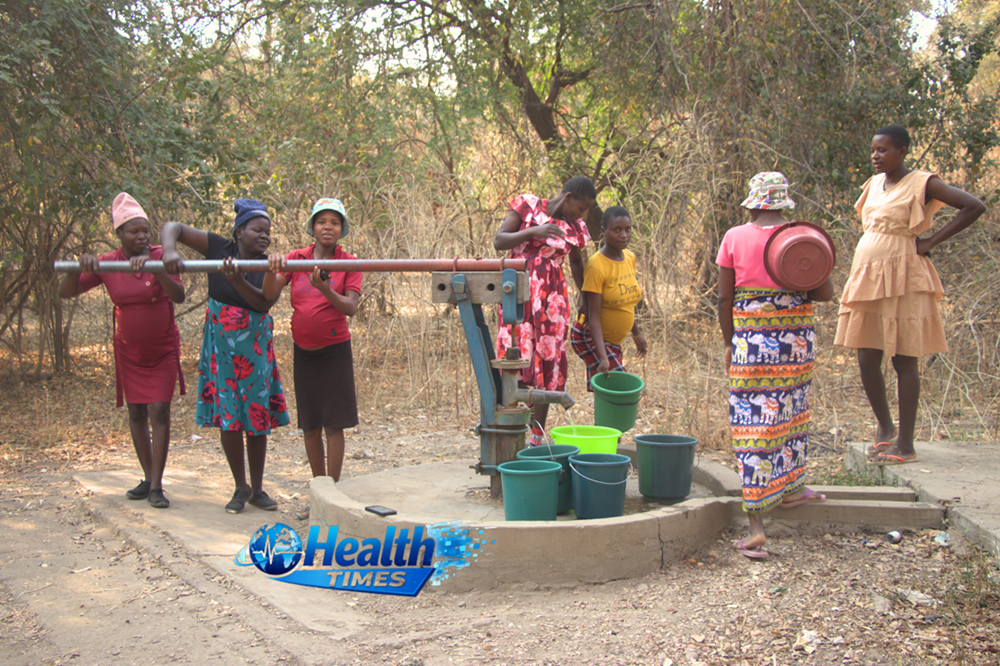
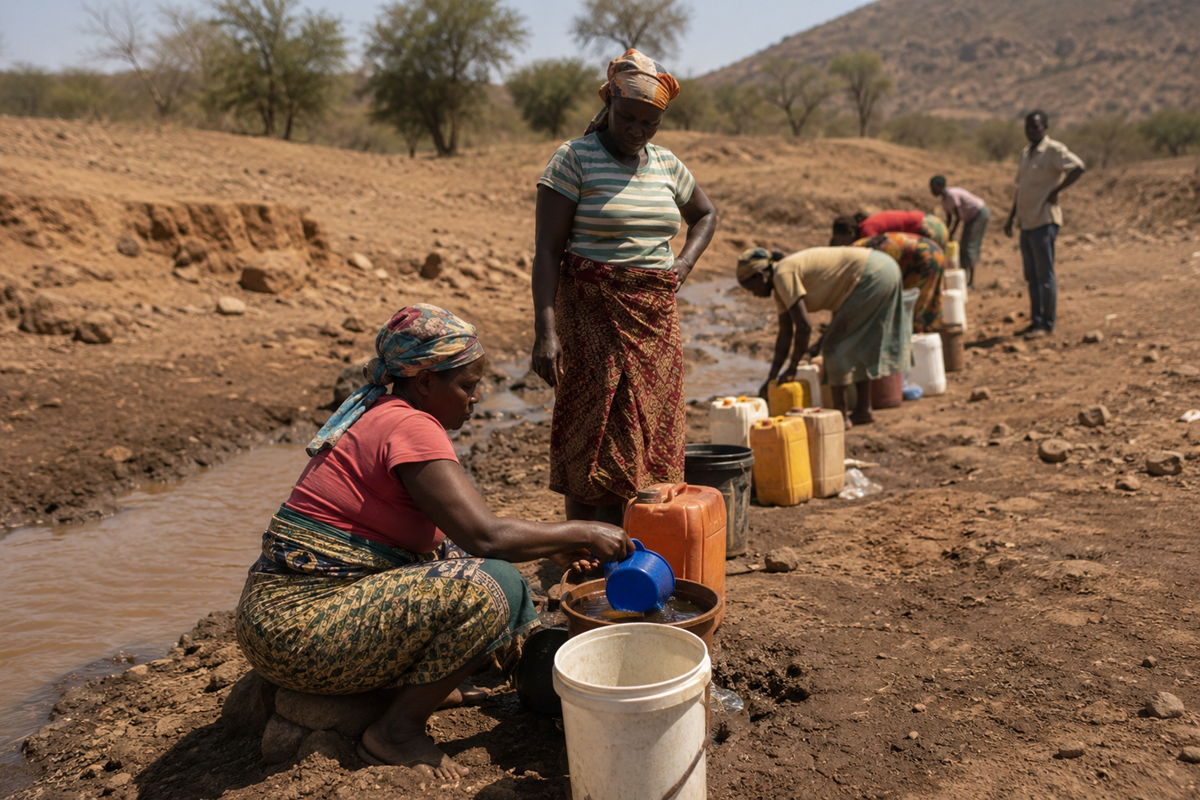
Predictive science makes use of data analytics, machine learning algorithms, and mathematical models to anticipate events or predict outcomes. In the context of disease control, predictive science can increase accuracy in early detection of outbreaks, identify high-risk populations, and provide information needed to develop targeted interventions. In the case of Cholera, predictive science can be applied in the analysis of water quality data to identify risk factors and develop intervention strategies. This approach has been utilized successfully in countries like Peru (1991-7) and Haiti (2010), during Cholera pandemics.
The use of Geographic Information System (GIS) technology has also facilitated the mapping of disease spread, enabling healthcare workers and policymakers to track patterns and develop prevention strategies. When Bangladesh experienced its most severe case of Cholera outbreak, predictive science models were utilized to control the epidemic. According to the World Health Organization (WHO), from January to September 2017, there were over 83,000 suspected cases of cholera and 729 deaths reported in Bangladesh during that period. The introduction of predictive science models during the outbreak managed to forecast the location, timing of outbreaks and helped to inform the distribution of vaccines and medical supplies. Evidence from Rwanda and Kenya have shown successful utilization of predictive science in disease control and management. Rwanda’s national malaria control program utilizes predictive analytics to forecast monthly malaria case counts, enabling them to allocate resources and prioritize prevention and control measures in high-risk areas. In Kenya, the Ministry of Health uses a health management information system (HMIS) that uses predictive analytics and machine learning algorithms to forecast disease outbreaks and optimize resource allocation.
It is imperative for Zimbabwe to priorities investing resources towards strengthening capacity to apply predictive science models in healthcare. Like most African countries, the biggest challenge hindering use of predictive science is a lack of technological infrastructure, reliable and comprehensive data. This limits the effectiveness of models and algorithms, which rely on large amounts of high-quality data to make accurate predictions. The government of Zimbabwe and its development partners, therefore, need to invest in data collection and analysis and development of predictive science models for cholera and other diseases. This will enable Zimbabwe to address the underlying causes of cholera outbreaks proactively.
Although the cost of infrastructure to support predictive modelling is astronomical, the cost analysis of adopting predictive science technologies is cost-effective than traditional interventions to cholera outbreaks. According to Lui.V.X etal, (2019) predictive monitoring and response strategies, using data from electronic health records, led to reductions in hospital readmissions and emergency department visits, which resulted in potential cost savings of up to $20 for every dollar invested. From this observation Lui’s assertion supports that predictive science infrastructure is indeed cost effective.
To this end, the use of predictive science in controlling and preventing outbreaks such as cholera and Malaria holds great promise in Zimbabwe. With the right infrastructure, policies, and resources, the country can leverage predictive science for early detection of outbreaks, reduce the burden of disease, and ultimately improve the population’s health and economic well-being.
About Author:
Retlaw Matorwa is the Project Coordinator for Harare Institute of Public Health, a Public
Health think tank, research and training institute based in Harare, Zimbabwe. He can be
contacted on retlawyaa@gmail.com or rmatorwa@hiph.ac.zw