By Michael Gwarisa
Following the approval for the use of three Pre-Exposure Prophylaxes (PrEP) products for HIV prevention by the Zimbabwean government, the country is conducting a three-year study to evaluate and inform the national HIV response’s rollout of PrEP products.
The study named CATALYST, which stands for Catalyzing Access to New Prevention Product to Stop HIV is a multi-country study that will characterise and assess the implementation of an enhanced service delivery package providing informed choice of PrEP products among women at the sites where the study is being conducted.
The CATALYST study is running in five countries namely Zimbabwe, Kenya, Lesotho, Uganda and South Africa. In Zimbabwe, Pangaea Zimbabwe AIDS Trust (PZAT), is coordinating with the Ministry of Health and Child Care (MoHCC) to offer services and counsel participants, sharing detailed information about each PrEP method and supporting participants in choosing the best method for their lifestyle.
To date, Zimbabwe has approved the use of Oral PrEP, Dapivirine vaginal ring (DPV-VR), and the Long-acting injectable Cabotegravir as biomedical HIV prevention options and six facilities in Zimbabwe are conducting the CATALYST studies of the PrEP products. The sites include the Shaz Hub and Citi-Med in Chitungwiza, Plumtree District Hospital, Cowdry Park Clinic in Bulawayo, Beitbridge Centre, Ngundu Rural Health Center and Runyararo Clinic in Masvingo.
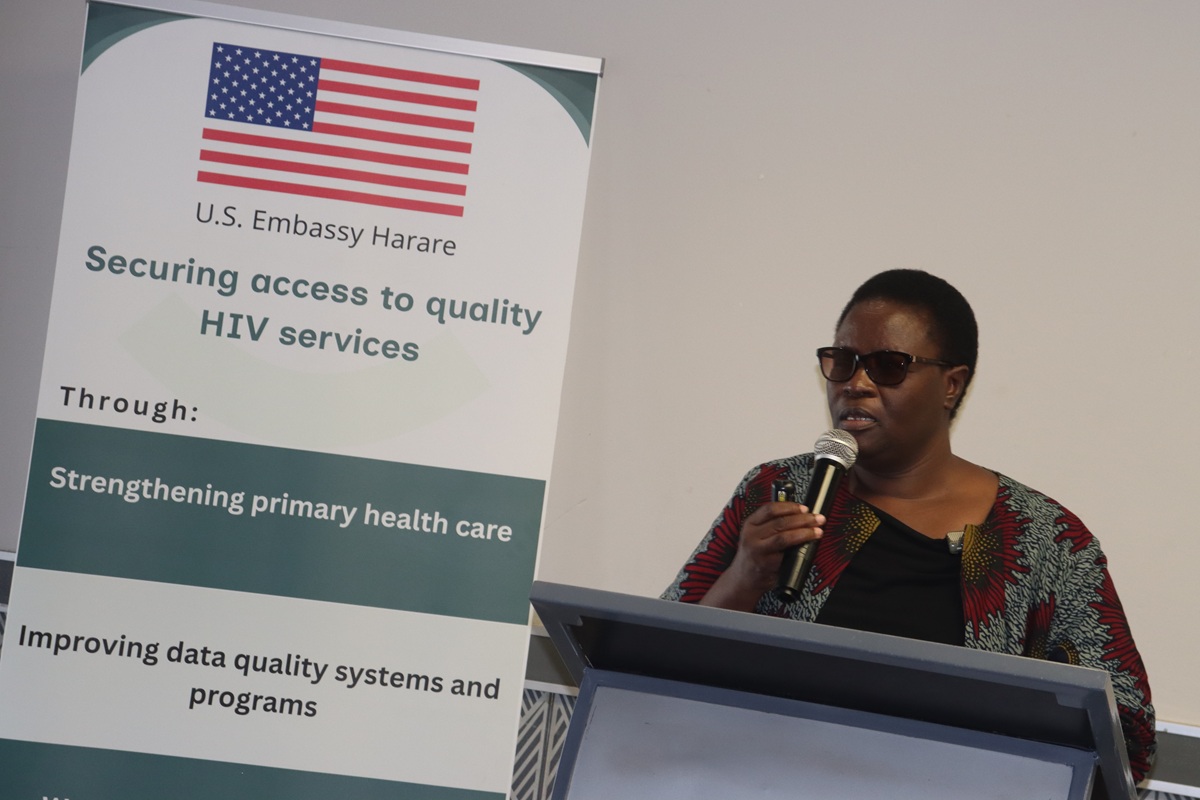
Speaking during a media tour of the research site in Chitungwiza at CITIMED Hospital that was organised by the Health Communicators Forum in Zimbabwe (HCF), Dr Emily Gwavava, the Principal Investigator for the CATALYST Study in Zimbabwe said the study was riding on the momentum of already approved PrEP products.
We are already offering PrEP and we are also now offering Oral PrEP, the Dapivirine Vaginal Ring and the long Acting Cabotegravir,” said Dr Gwavava.
“CATALYST is the learning lab because we are the first to implement these new products or to offer the choice of the three products in Zimbabwe. We are hoping that the lessons that we learn in implementing this will feed into what the Ministry of Health needs to know to scale up these products at a national level.”
The CATALYST is the flagship study for the Maximizing Options to Advance Informed Choice for HIV Prevention (MOSAIC) project, a five-year global project funded by the U.S President’s Plan for AIDS Relief (PEPFAR) through the U.S Agency for International Development (USAID). The CATALYST study is set to deliver an enhanced service delivery package providing a choice of Oral PrEP, the PrEP Ring or CAB PrEP among women in real-world service delivery settings at 28 sites across the five countries.
“We are hoping that the lessons that we have learnt will help inform the national scale-up of these products in Zimbabwe beyond the six sites that we are working. The lessons that we learn from this study will be packed and used to inform the ministry of what they need to be aware of at facility level, provider as well as within our communities to scale the programs beyond the study.”
She said the CATALYST was motivated by the ZIMPHIA 2020 HIV study which showed that girls aged 15 and above were at higher risk of new HIV infections.
The study is being conducted in two stages. Two currently available PrEP methods — tenofovir-based oral pills and the dapivirine ring (PrEP ring) — will be offered in Stage I. Stage II will include an injectable method, cabotegravir long-acting (CAB-LA) for PrEP, once it is approved by the regulatory authority in each country.