Broken Clinics, Broken Promises: The Cost of Delayed Devolution

By Kuda Pembere
In Zimbabwe, the issue of healthcare spending remains a thorny one. While much of the attention tends to focus on the Ministry of Health and Child Care, a closer look reveals that local authorities—both urban and rural—are grappling with the immense responsibility of providing basic healthcare services, often without the necessary resources.
For years, these local governments have operated municipal clinics and hospitals, working to support national efforts toward achieving Universal Health Coverage. Yet, the journey toward that goal has been hampered by limited and inconsistent financial support. Much of the responsibility falls on the Ministry of Finance, which controls the allocation of critical funds for public services like health.
The 2013 Constitution introduced a devolved system of governance intended to decentralize power and bring services closer to communities. Under this system, at least five percent of the national budget was supposed to be allocated annually to provincial and local tiers of government. These devolution funds were meant to give local authorities the ability to independently plan and carry out development initiatives, including health-related infrastructure and services.
Twelve years later, that vision remains largely unrealized, especially in underdeveloped and underserved provinces such as Mashonaland Central and Mashonaland West. Section 76 of the Constitution guarantees every Zimbabwean the right to basic healthcare, but for many women and girls in these rural regions, this right remains more of a dream than a reality. The failure to disburse devolution funds on time—or in adequate amounts—has had a crippling effect.
In many cases, the five percent allocation mandated by the Constitution is either not met or arrives too late to be meaningful. This delay in funding has left clinics under-equipped, created chronic shortages of medicines, and led to staffing challenges, with many facilities lacking adequate personnel.
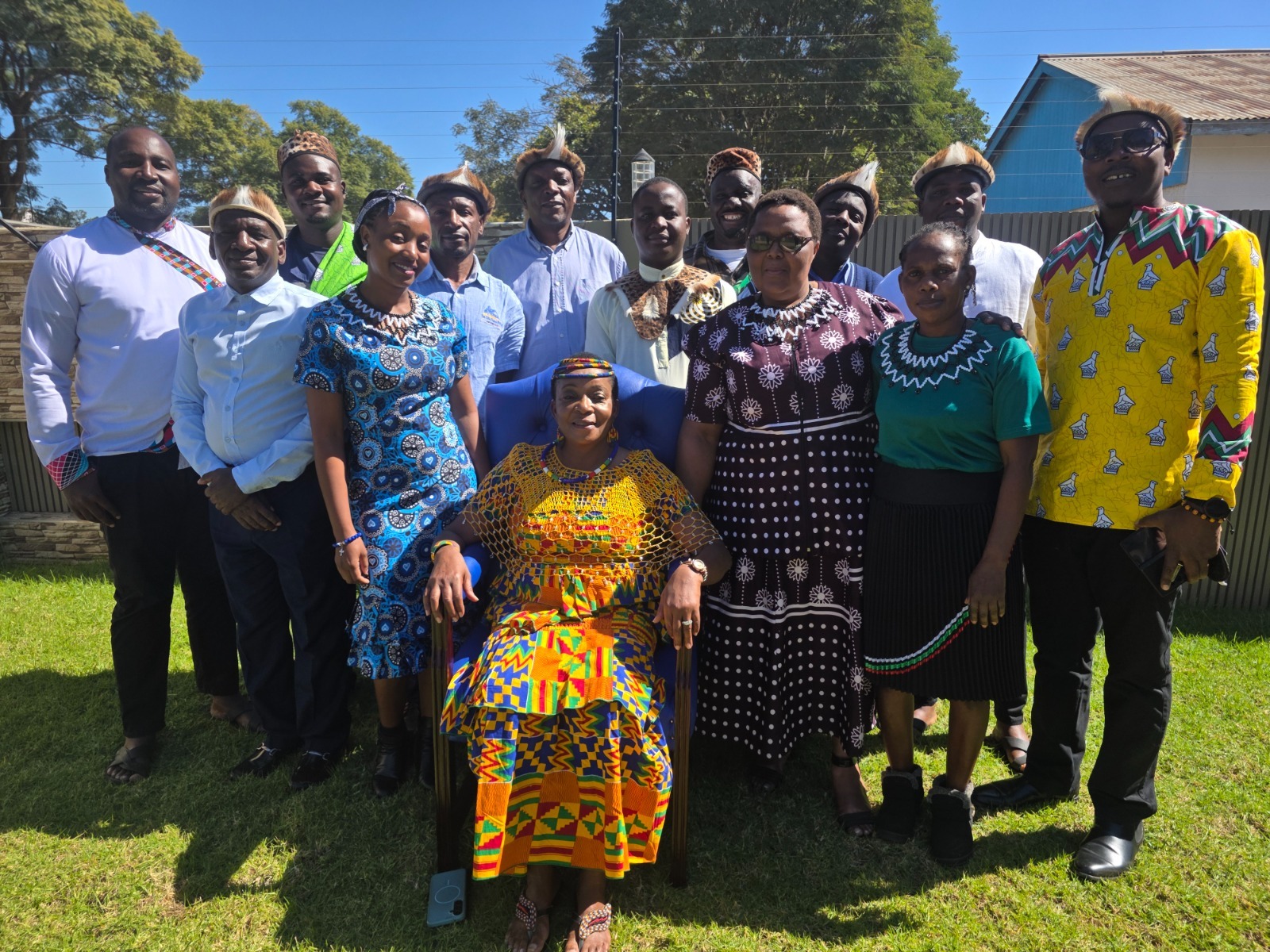
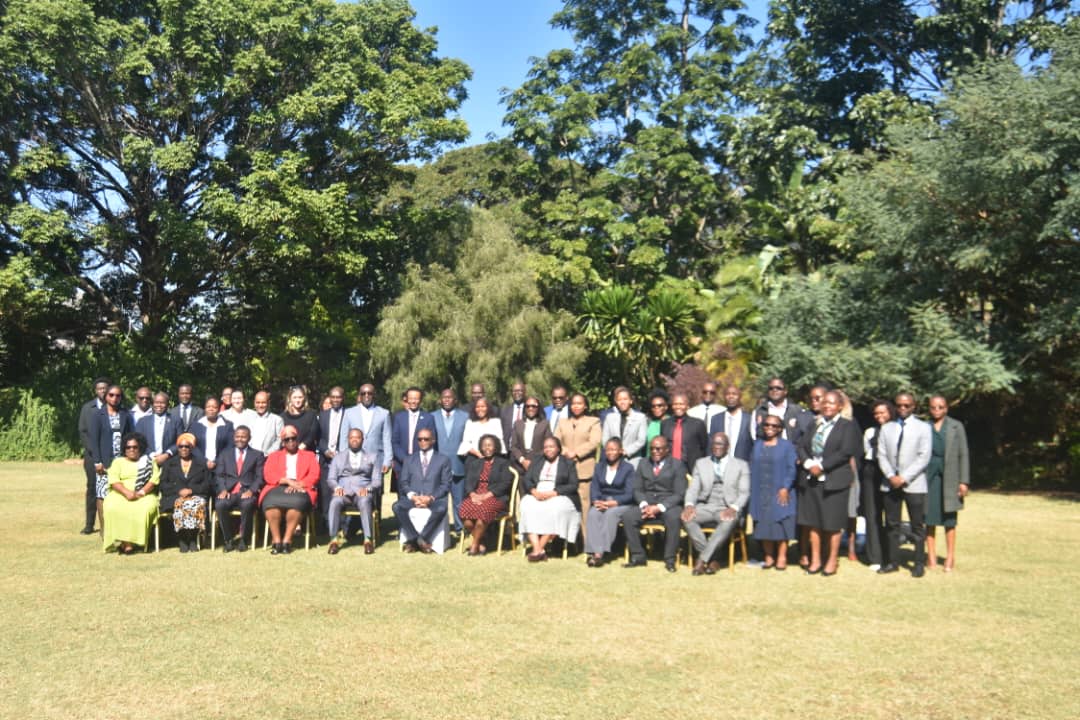
Health economist Taurai Chitando, speaking at a recent workshop organized by the Alliance for Community-Based Organisations (ACBOs) members, a consortium including the Institute for Young Women’s Development (IYWD), Patsaka Community Development Trust and Simukaupenye Integrated Youth Academy (SIYA), said local authorities were routinely left with the impossible task of juggling multiple critical needs within extremely limited budgets.
“In some instances, there is a weak integration of health and gender priorities in local planning,” he said. “It becomes a nightmare trying to balance needs—water, roads, schools, and health—within extremely limited budgets. Even when health is prioritized, gender-specific issues often fall through the cracks.”
He urged local authorities to embrace gender-responsive budgeting that reflects the real challenges women face when trying to access health services.
Despite the presence of political will in some quarters, local councillors argue that their ability to act is constrained. Funds received through devolution often come with specific spending instructions, which leaves little room for them to respond to the immediate health priorities of their communities.
“The funds usually come in ZiG, and by the time they arrive, inflation has eroded their value,” said one councillor at the same workshop. “We try to buy essentials like cement for infrastructure, but suppliers refuse to accept the currency. At clinics, we don’t have enough resources, and patients end up paying out of pocket for basic treatment.”
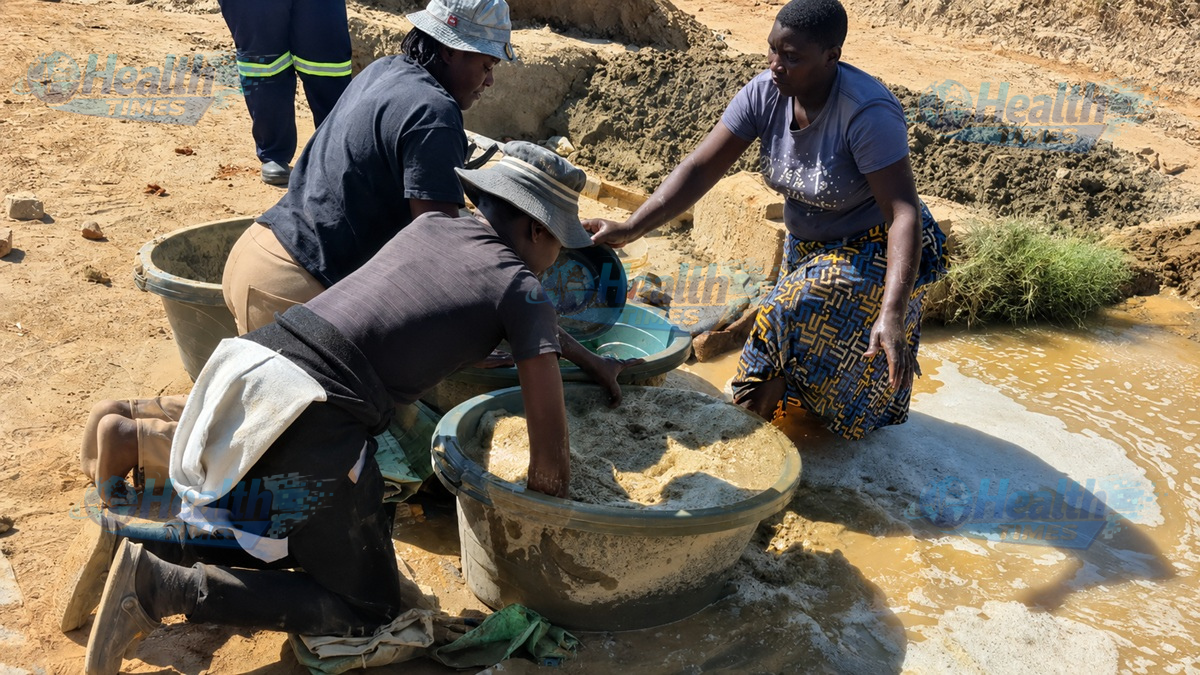
In places like Bindura and Mbire, councillors reported that local revenue collections are not enough to cover basic operational costs, let alone any meaningful investment in healthcare infrastructure. While mining activities in rural areas sometimes provide additional income, urban districts continue to bear a disproportionate burden without receiving a fair share of that revenue.
A participant from Mashonaland West noted the dire staffing situation at regional hospitals. “We’re losing personnel because we cannot pay them competitive salaries. We’ve started collecting revenue from parking fees to plug the gaps, but residents are unhappy. It’s not a sustainable solution.”
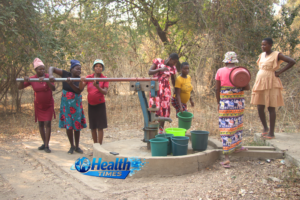
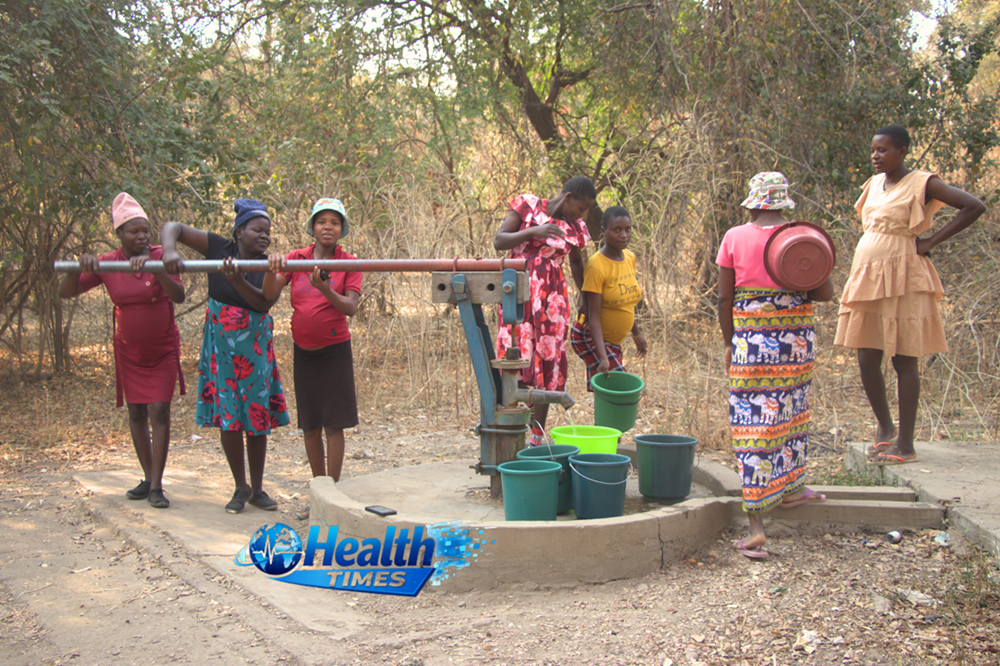
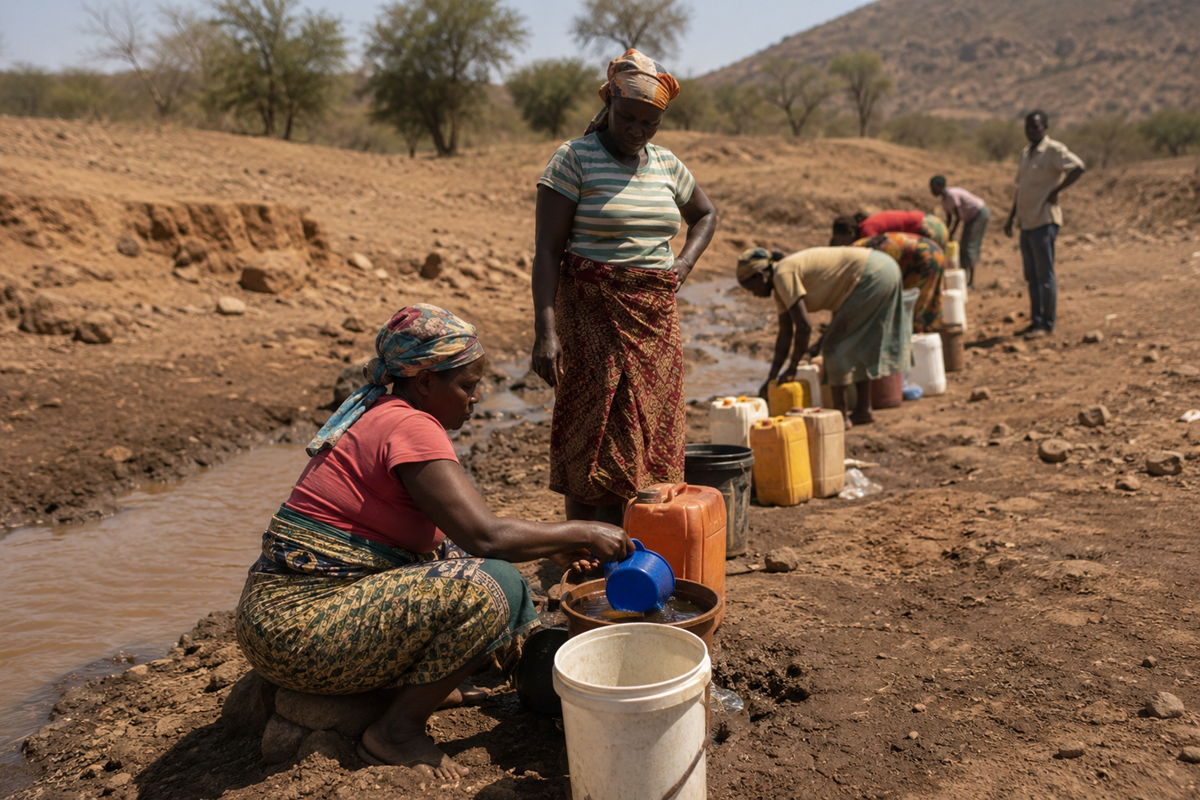
Women and girls are particularly affected by these systemic challenges. In rural areas, many are forced to travel long distances to reach health facilities, only to find them closed or inadequately staffed. The absence of timely and sufficient funding often transforms what should be a service delivery issue into a life-and-death situation.
“Most clinics don’t have medicines. And it’s not just about the hospital—it’s about the patient. If you’re pregnant, you need to prepare for complications and have money set aside. In my area, we have no ambulance. If there’s an emergency, families have to hire one. Timely funding could save lives,” said an 18-year-old woman from Mbire.
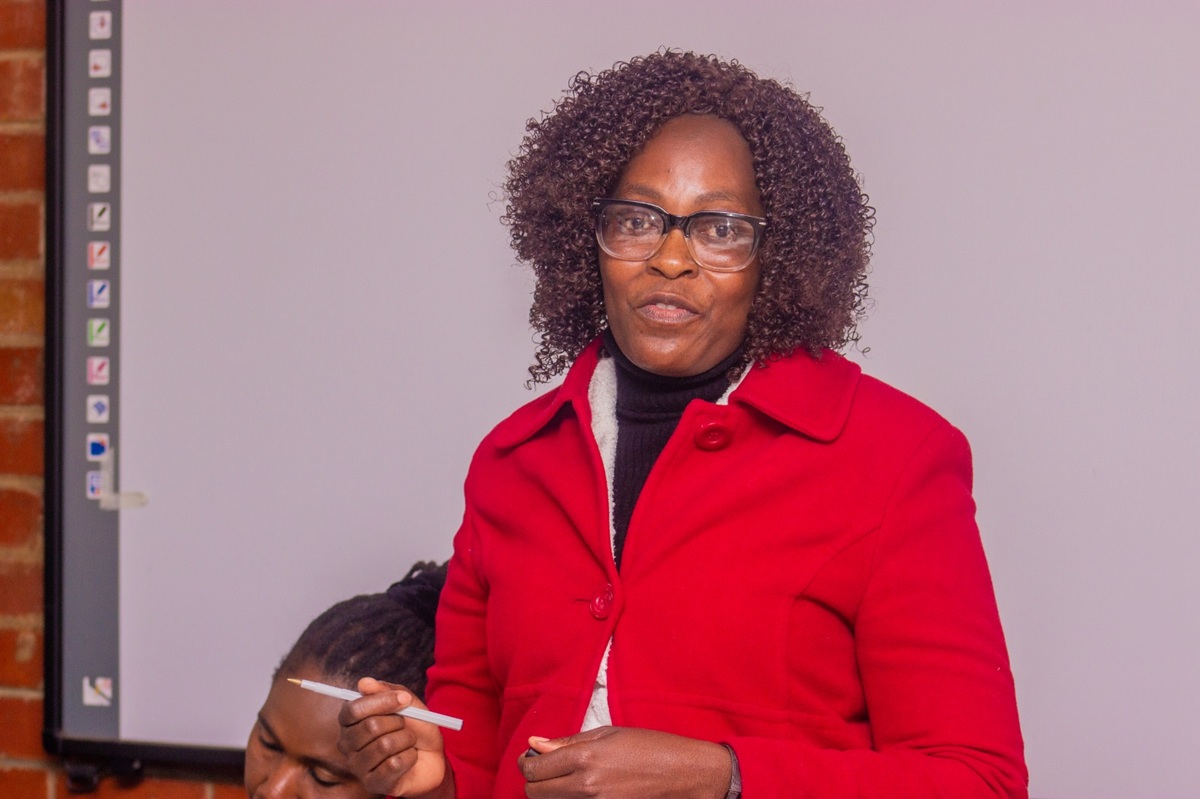
Betty Chihota, representing IYWD explained that her organization is working alongside ACBOs partners with support from DAI and FCDO to strengthen governance in the health sector through transparency and inclusion.
“This project aims to harness the voices and agency of young women and girls in promoting transparency in health service delivery,” she said.
Chihota stressed that the conversation should not only revolve around money but also inclusion. She said some young women are not actively included in health governance and some do not access health services due to documentation challenges, while others give birth at home and struggle to register their babies due to the absence of formal health records.
“Young women face barriers when trying to access services. They are not involved in decision making and some young women are allegedly turned away for lacking registration documents. Others give birth at home using traditional methods and cannot obtain birth records—making it difficult to get birth certificates for their children.”
The promise of devolution was to bring services closer to the people, but without timely funding and real decision-making power, local governments remain hamstrung. For them to effectively deliver healthcare, they need not only adequate, inflation-adjusted resources but also the autonomy to allocate, disburse and spend funds based on their specific local needs including the gendered dimensions.