
By Michael Gwarisa
Africa is battling a number of adverse climatic catastrophes, and over the past five years, climate change is no longer a distant threat across the continent. In African cities, it has become an everyday reality, intensifying urban heat and deepening public health risks. Rising temperatures, prolonged heatwaves, and shrinking green spaces are combining to create “concrete jungles,” densely built environments where heat becomes trapped and air pollution festers.
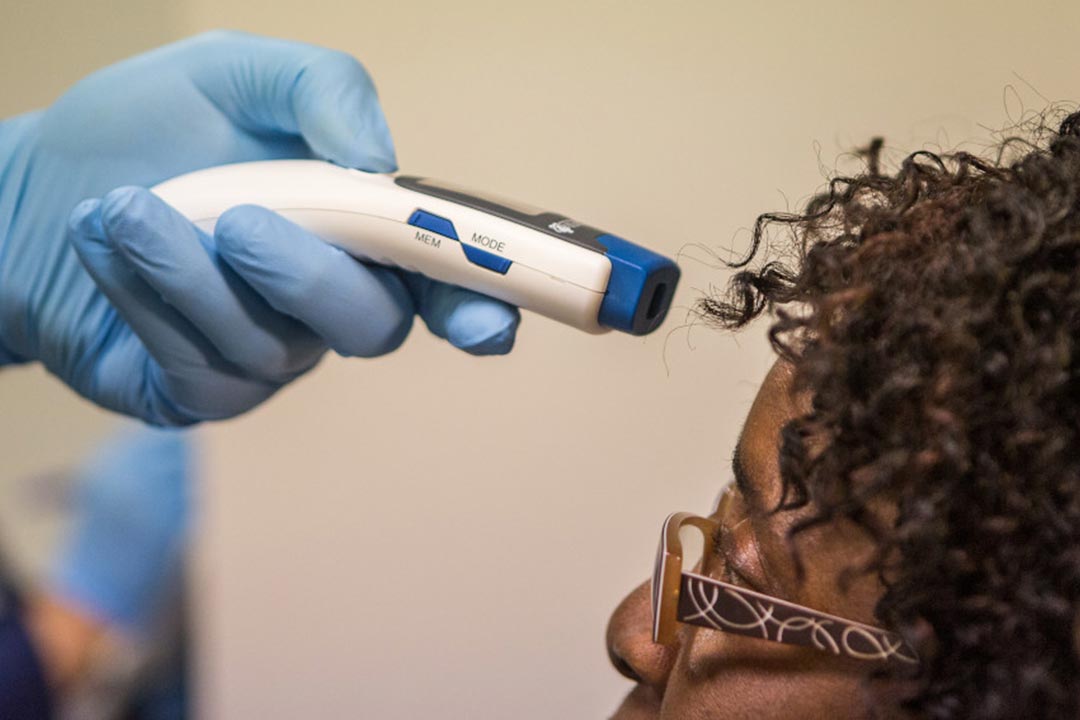
According to experts, this urban heat effect, worsened by poor ventilation and limited vegetation, is now driving a rise in respiratory infections, particularly among vulnerable populations such as children, the elderly, and those living in overcrowded informal settlements.
As the continent urbanizes at breakneck speed, many African cities are expanding vertically and horizontally without adapting to the climate crisis. Concrete structures, tarred roads, and metal roofs absorb and retain heat, turning cityscapes into heat islands. These sweltering environments not only increase heat stress but also contribute to higher concentrations of dust, pollutants, and airborne allergens, all of which trigger or worsen respiratory conditions like asthma, bronchitis, and chronic obstructive pulmonary disease (COPD).
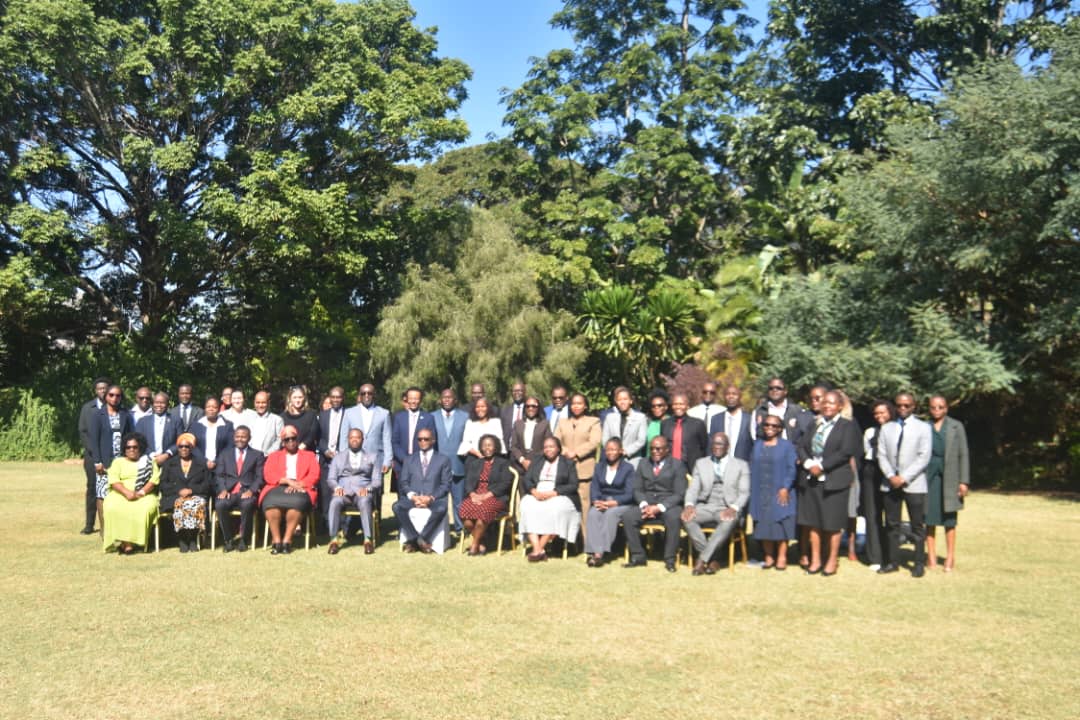
Speaking during a cross-border Media and Science Café organized by MESHA, Mr. Mweetwa Mudenda, a public health expert from Zambia, said a recent study had confirmed a surge in the prevalence of respiratory infections linked to the growing heat in urban settings.
Zambia reported 6,181 severe acute respiratory infections (SARI) in 2021, with an upward trend through 2024 (ZNPHI, 2022),” said Mr. Mudenda.
He added that the study confirmed a link between urban heat and the surging acute respiratory infections in Zambia.
“Fine particulate matter and ozone cause airway inflammation, triggering and worsening asthma, bronchitis, COPD, and pneumonia. Sentinel surveillance found influenza positivity rising from 6.5% in 2020 to 12.1% in 2024, especially affecting children under five.”
He suggested urban cooling and green infrastructure, such as trees, parks, green roofs, reflective surfaces like cool roofs, and ventilation corridors to reduce heat and improve air quality. He also called for health interventions such as multiplex diagnostic testing for flu, RSV, and pneumonia, along with heat early-warning systems.
Apart from respiratory infections, other public health events have also capitalized on the changing climate and growing urban heat.
In Zambia, the 2023–2024 cholera outbreak was the largest in 50 years, with over 16,972 cases and 618 deaths as of February 2024, according to Zambia Health Press, 2024. Urban flooding, contaminated boreholes, and delayed emergency response contributed to the rapid nationwide spread.
In Malawi, the changing climate has also left the country counting its losses as it was pummelled by cyclones back to back. In March 2023, Tropical Cyclone Freddy hit southern Malawi, causing flash floods, mudslides, and widespread destruction.
“Of note is that Freddy occurred amidst a cholera outbreak, which started almost two months prior to the cyclone and had already put strain on the health system. The government was unprepared for Freddy’s scale and impact,” said Mr. Dominic Nyasulu, National Coordinator for the National Youth Network on Climate Change in Malawi.
A total of 126,577 people were displaced, 511 were confirmed dead, over 500 were missing, and more than 1,500 were injured in Malawi by March 25, 2023.
In 2020, Malawi ranked 163rd out of 182 countries in climate change vulnerability. Extreme weather events are expected to become more frequent and severe in Malawi, increasing disaster risks.
World Health Organisation (WHO) data estimates that between 2030 and 2050, climate change will likely cause approximately 250,000 additional deaths per year from undernutrition, malaria, diarrhoea, and heat stress alone. WHO further states that the direct damage costs to health are estimated to be between US$2–4 billion per year by 2030.
Amref Health Africa in Zambia Country Manager, Mrs. Viviane Sakanga, recently told HealthTimes that climate change was rendering attainment of Universal Health Coverage (UHC) in Africa an elusive dream.
“Africa is one of the most vulnerable regions to experience the negative impacts of climate change. The continent has already experienced, and continues to record, widespread losses and damages due to human-caused climate change. These include increased loss of lives, reduced food production and economic output, and loss of biodiversity,” said Mrs. Sakanga.
She added that the Sixth Assessment Report (AR6) of the Intergovernmental Panel on Climate Change (IPCC) highlights that in East Africa, malaria has expanded into higher altitudes, while warmer temperatures are increasing infection rates.
Desta Lakew, the Group Director of Partnerships and External Affairs at Amref Health Africa, also told this publication that climate change was changing the healthcare landscape in a bad way.
“Climate change is the biggest challenge we face as a generation and multi-generations. We are seeing the effects of climate change. If you check in the last 20 years, for example, climate has been the key issue that has affected human health. In Africa itself, when we look at 2000 to 2021, we see that more than 50 percent of nearly 2000 public health events were climate-related and we are seeing that increasing,” said Lakew.
While climate is a big issue, for Africa there are a myriad of factors at play that result in healthcare suffering major losses in the event of a climate-related emergency. Lakew said Africa’s biggest challenge was weak health systems in the face of climate change.