By Kuda Pembere
With the 2026 National Budget public consultations beckoning, legislators have pledged that the nutrition sector will receive a dedicated portion of revenue generated from the sugar and fast-food taxes.
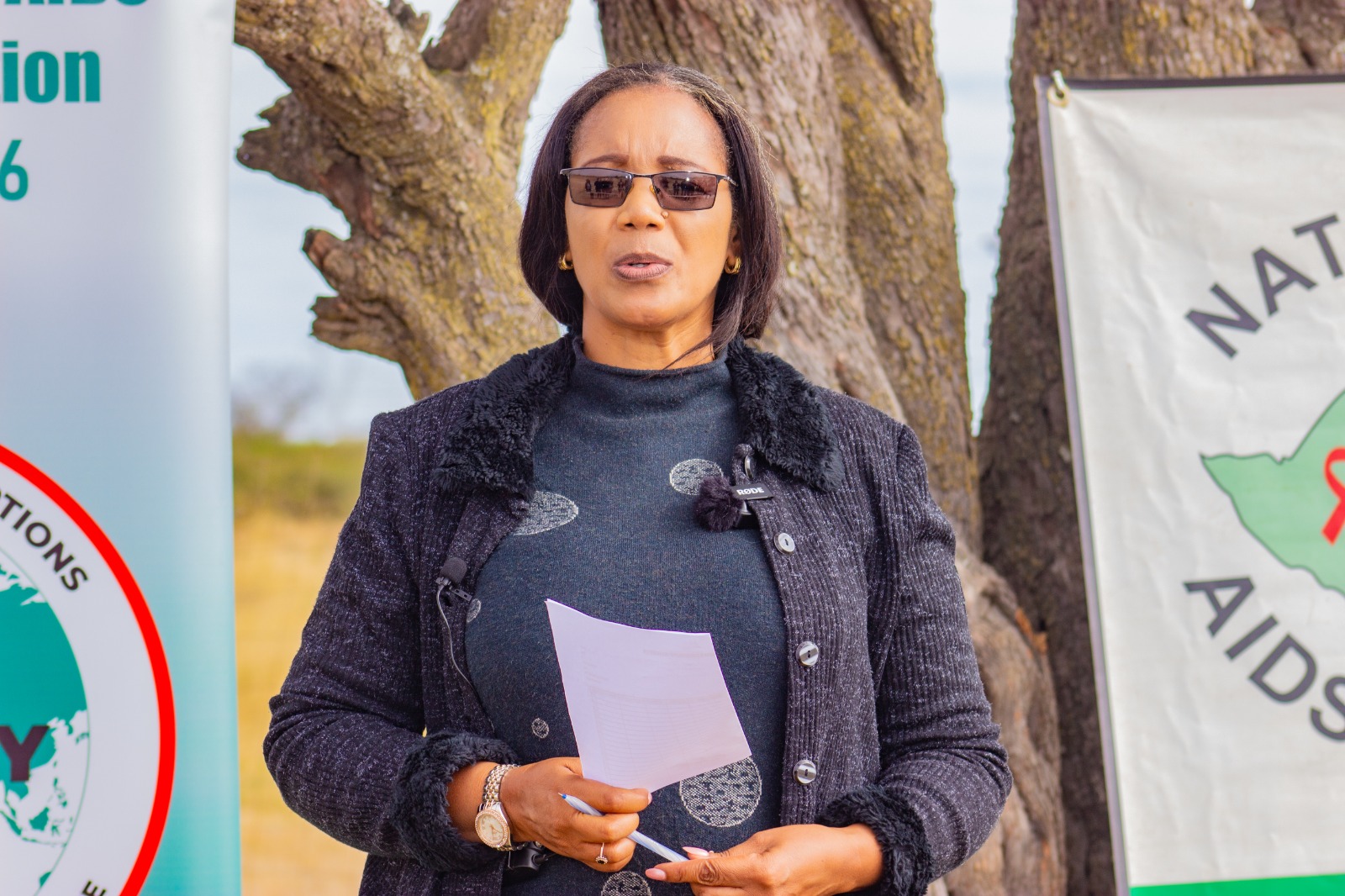
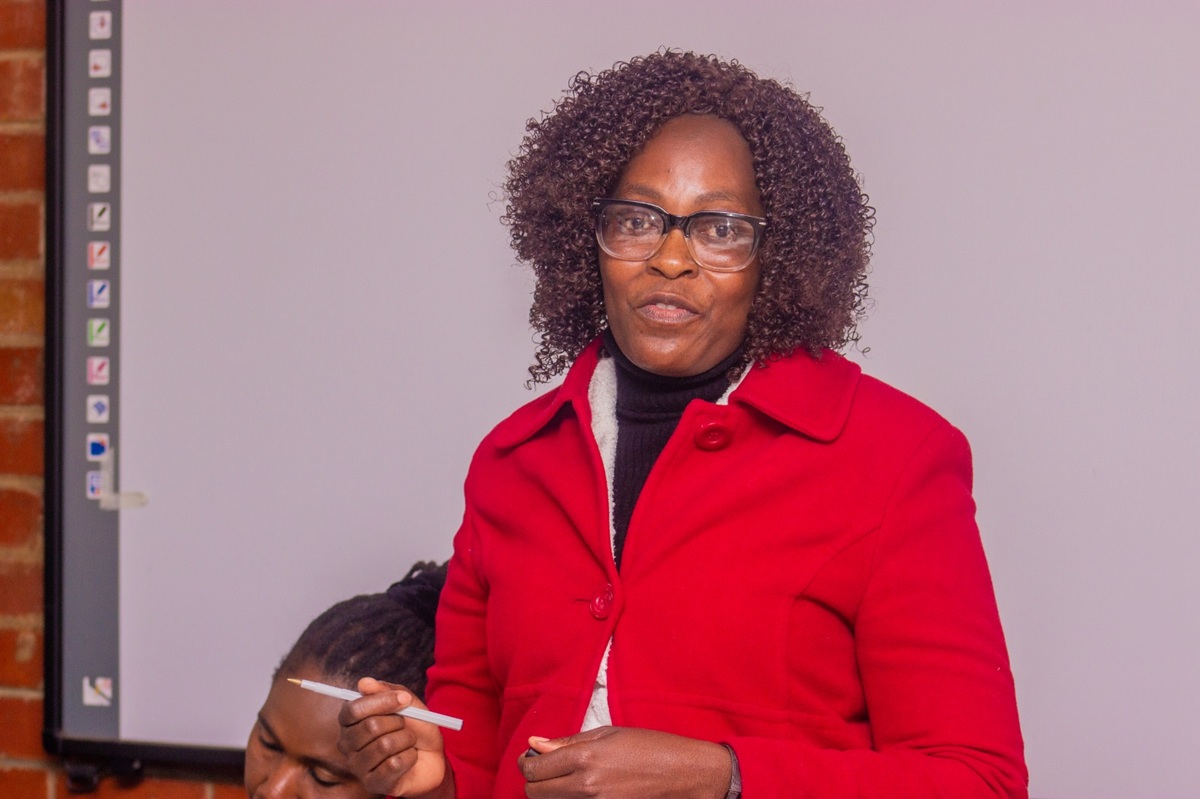
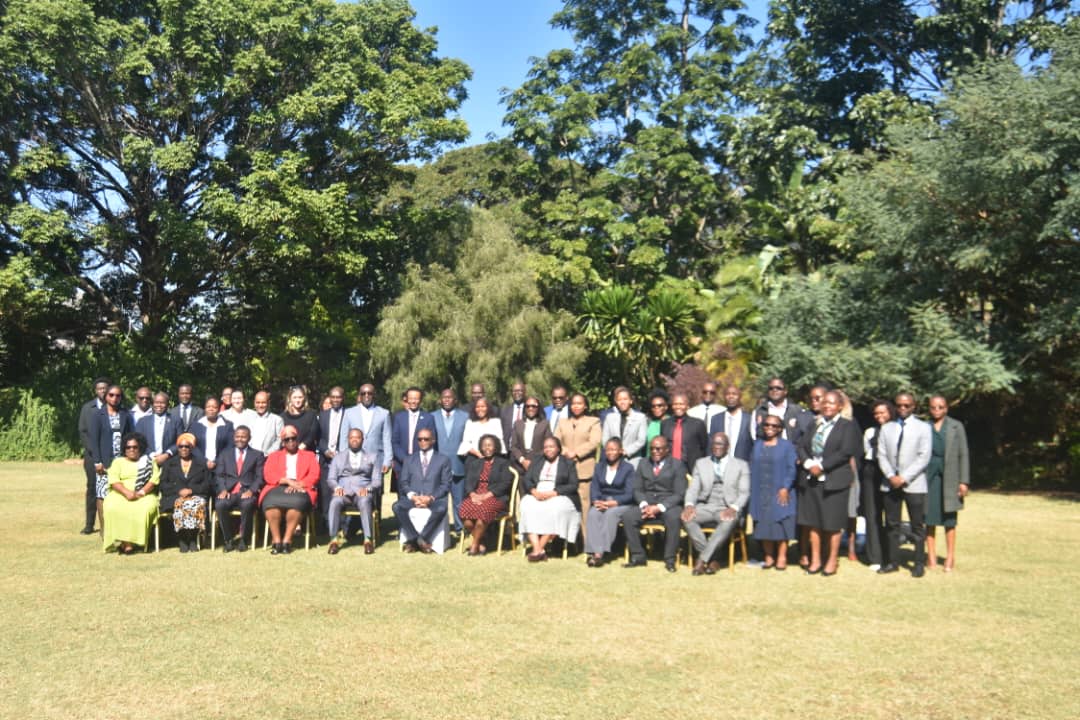
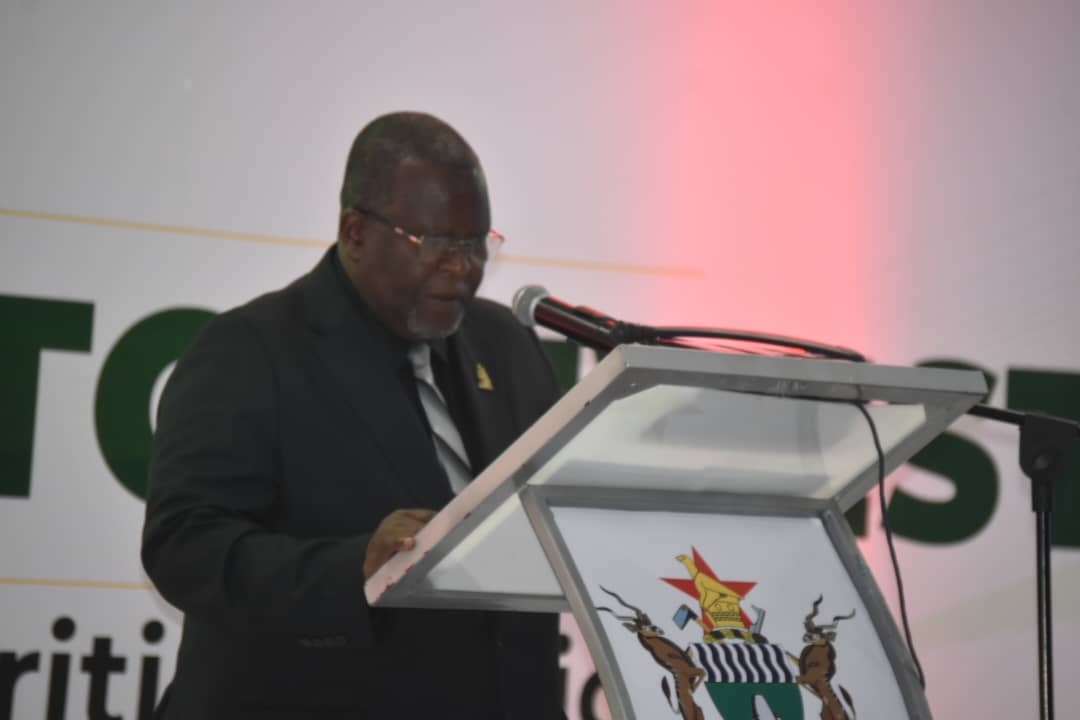
In an interview with HealthTimes after a Nutrition Training Workshop for Members of Parliament and Senate organized by the Zimbabwe Civil Society Organizations Scaling Up Nutrition Alliance (ZCSOSUNA) with financial and technical support from UNICEF, Gender and Development Committee acting chair Senator Eleven Kambizi commended the interface acknowledging that women carry the burden of nutriviely feeding the family.
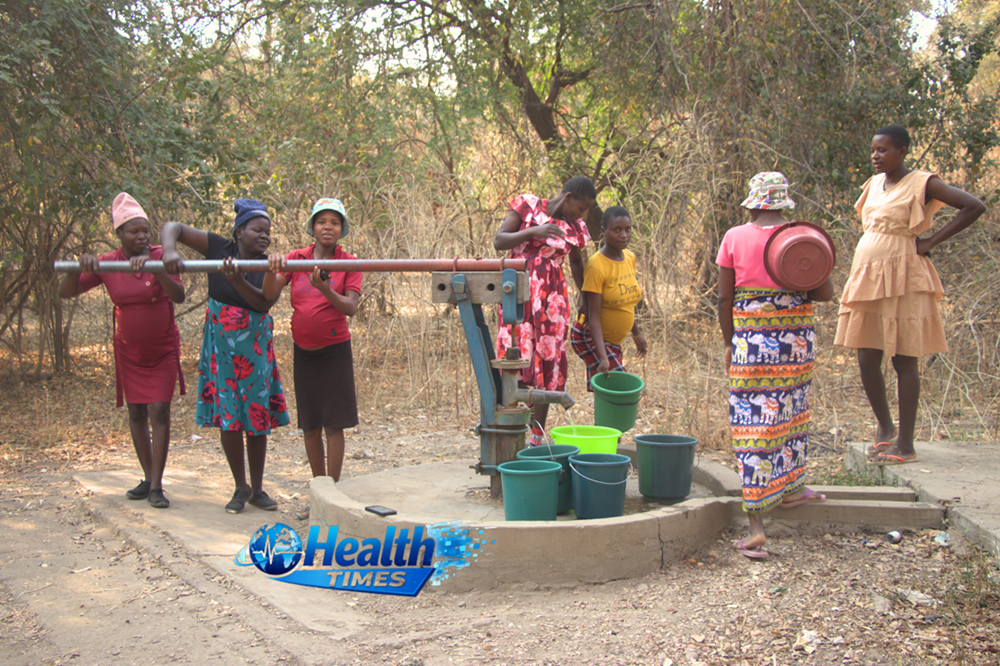
“This engagement is very important,” said Kambizi. “If you look at the Gender and Development Committee, all the issues fall heavily on the shoulders of women. And when you talk of nutrition, those who are at the forefront of making sure that the family is fed nutritively are women.”
He added, “This engagement is especially important to us as Honourable Members. We come from various constituencies, and it is important that we return with the knowledge we’ve gained here. We must go back and conscientize the constituencies we lead. We can even assist them in setting up nutrition gardens and promote the right types of nutrition needed by our people.”
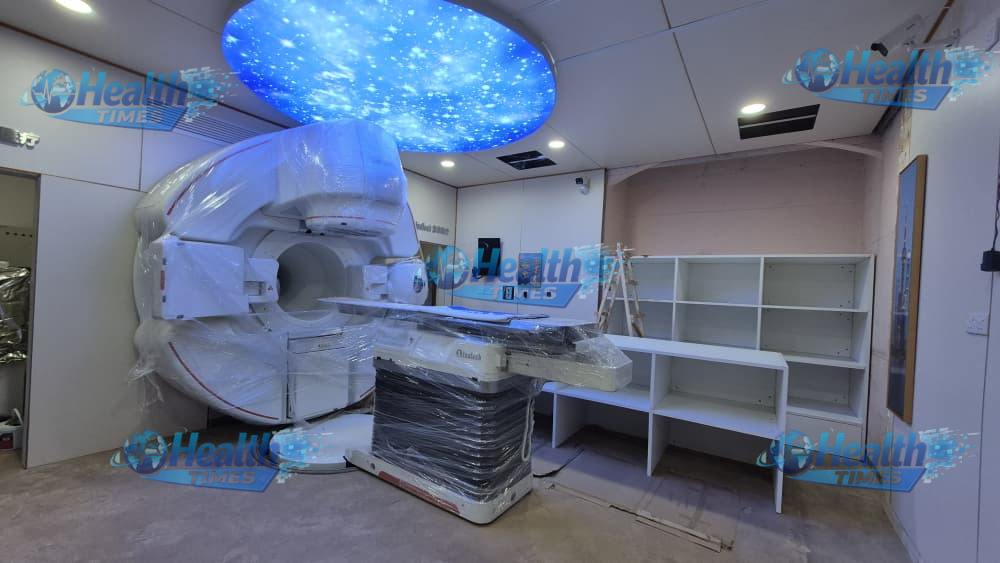
Senator Kambizi pledged to advocate for a portion of the sugar and fast-food taxes to be allocated to nutrition in the upcoming national budget. This follows Finance Minister Mthuli Ncube’s Mid-Term Budget Review, where he announced that the Treasury raised ZiG685.8 million (approximately US$25.4 million) from the sugar tax between January and May 2025. The funds were earmarked for the procurement of cancer equipment and medication.
“You know, one of our roles as parliamentarians is oversight,” said Kambizi. “Whatever the government or a ministry does, it is our duty to oversee it—whether the money collected is being used for the intended purposes. We need to make sure that the money goes back to the people and is channeled toward nutrition.”
He continued, “Some of the examples given here show that people just eat, but are they eating nutritively? So we will follow up on that tax and make sure it goes where it’s supposed to go. Nutrition should get its own chunk.”
Members of ZCSOSUNA and a Health Ministry Nutrition Director Nyasha Gwamanda urged parliamentarians to support the ring-fencing of sugar and fast-food tax revenues for nutrition.
“If our government commits to the Child Nutrition Fund, what will happen is that if we allocate, say, US$5 million toward nutrition, the Fund will give us an equivalent amount in the 2026 budget,” said ZCSOSUNA National Coordinator Kudakwashe Zombe. “So we would get US$5 million from the Child Nutrition Fund. That’s why we want this committee to support us in making sure that, as a nation, we commit to the fund.”
Zombe also asked parliamentarians to scrutinize the 2026 national budget, particularly the four key votes: Vote 3 (Public Service, Labour and Social Welfare), Vote 8 (Lands and Culture), Vote 14 (Health), and Vote 15 (Primary and Secondary Education).
“We want you to make sure these votes include meaningful allocations toward nutrition before the next budget is approved,” he said.
UNICEF Zimbabwe Nutrition Specialist Kudzai Mukudoka-Mudukuti emphasized the need for funding public awareness campaigns on nutrition.
“When you look at the issue of raising awareness, right now we have the sugar tax and the fast-food tax,” she said. “One of our key asks has been to have a portion—even a small portion—of those taxes ring-fenced to raise awareness.”
She noted that the nutrition sector is vastly outspent by junk food companies.
“Soft drink manufacturers have billion-dollar marketing and advertising budgets. We are never going to be able to beat them at that,” she said. “Right now it’s a craze. You go to schools, you go to universities, and there are huge billboards that look amazing. But we in the nutrition sector don’t even have 1 percent of that to raise awareness.”
Mukudoka-Mudukuti explained that aggressive advertising targets children to the point that “if they don’t have Drink X or something flashy in their lunchbox, they feel out of place.”
“At the same time, as government, we have made commitments to reducing non-communicable diseases. So we need to meet somewhere in the middle,” she said. “That’s why we are advocating for a small portion of these taxes to be used for awareness campaigns, so people can make informed decisions.”
Dr. Tonderai Matsungo, a nutrition academic at the University of Zimbabwe, emphasized the far-reaching societal and economic consequences of poor nutrition—linking it to cognitive development, academic performance, and long-term national progress.
“Malnutrition is something we need to worry about—it has serious consequences,” he said. “But what I want to highlight is that those consequences go beyond health. It’s not just about someone being marasmic, stunted, or overweight.
“We’re also talking about cognitive impairment. Children who are malnourished tend to perform poorly in school, for example, because their development has been disrupted.