
By Michael Gwarisa in Gokwe South
When Sister Farisai Mlambo, the nurse in charge at Katema Clinic in rural Gokwe South, spoke in an interview with HealthTimes on the sidelines of a Prevention of Mother-to-Child Transmission (PMTCT) dialogue, she revealed a chilling case that has unsettled health workers and traditional leaders in the area.
“We had an unusual case here, a baby delivered to HIV-negative parents tested HIV positive. Upon further investigation, we discovered that the delivery had been conducted in the village by a traditional birth attendant. The baby must have contracted HIV during the delivery process,” she said.
Watch: Village Births, Hidden Risks – How Home Deliveries in Gokwe Are Fueling HIV Infections
The shocking revelation underscores a little-known but dangerous reality: HIV transmission is not limited to mother-to-child in the womb. Unsafe home deliveries, often involving unsterilised blades, cloths, or instruments, expose newborns to bloodborne infections at the very moment of birth. For Sister Mlambo, the tragedy is not just an isolated incident. It highlights the silent crisis brewing in remote Gokwe South.
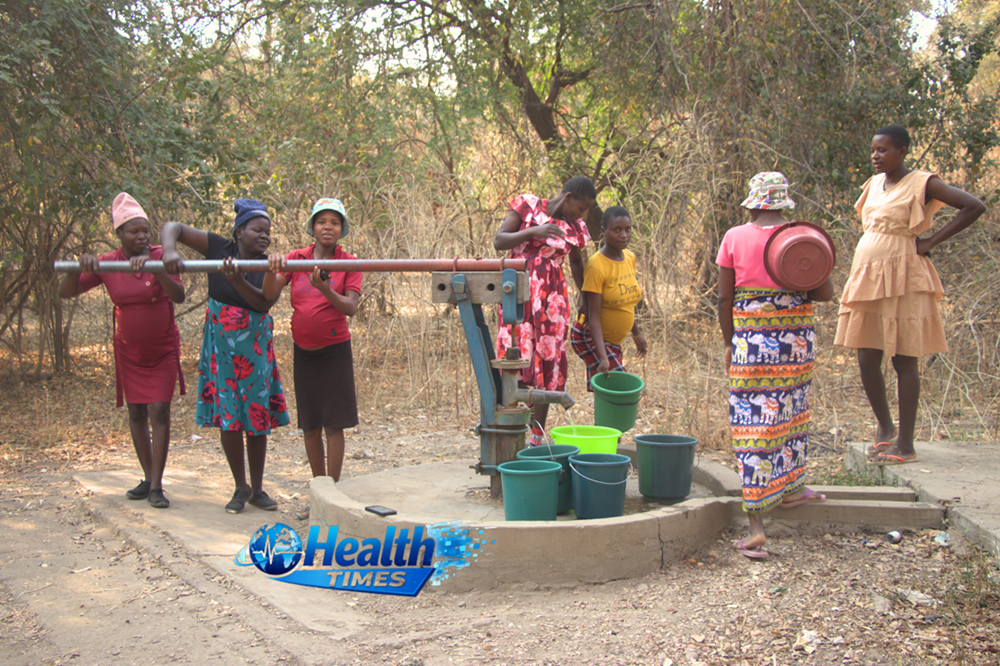
Reaching skilled healthcare is an uphill battle for expectant mothers here. Katema Clinic is located 120 kilometres from Gokwe Centre, a journey of nearly four hours along a dusty, treacherous road. For a woman in labour, such a journey is often impossible and can be the difference between life and death for both mother and child.
For 36-year-old Edith Nhana, the risks are personal and painful.
“This pregnancy is my fourth. I only have two living children. I lost one baby because I delayed seeking services, and by the time I arrived, it was too late. I am now seven months pregnant, and the nurses have advised me to deliver at a hospital in case complications arise,” she said.
Her fears mirror those of many women in Gokwe, where poverty, poor infrastructure, and deep-seated trust in traditional birth attendants keep institutional deliveries dangerously low.
Not all mothers choose home births willingly. Sometimes, the decision is dictated by circumstances beyond their control.
[pullquote]“I have three children, but I lost one,” said 44-year-old Enia Magogosa. “I delivered two of my children in a health facility, but the other two were delivered at home. One was with the help of my mother-in-law, and the other by an elderly woman in our village. Sadly, I lost one of those babies.”[/pullquote]
Health experts warn that this reliance on traditional deliveries comes with a steep price. According to the World Health Organisation (WHO), unsafe delivery practices, from reusing blades to handling births without gloves, increase the risk of HIV and other infections for both mothers and infants.
Zimbabwe has made significant progress in reducing mother-to-child transmission of HIV, bringing the national rate below 8% in recent years. But fragile gains are under threat. In hard-to-reach areas like Gokwe, where women fall back on village-based deliveries, the progress risks being undone. UNAIDS has flagged unsafe medical and delivery practices as key drivers of new paediatric HIV infections in such communities.
Data paints a worrying picture. In Gokwe South, antenatal care (ANC) bookings remain below the expected threshold, with just over 70% of pregnant women registering for care instead of the recommended 85% or more. Health experts warn that women who skip ANC visits often miss vital HIV testing and preventive treatment, leaving both mother and child exposed.
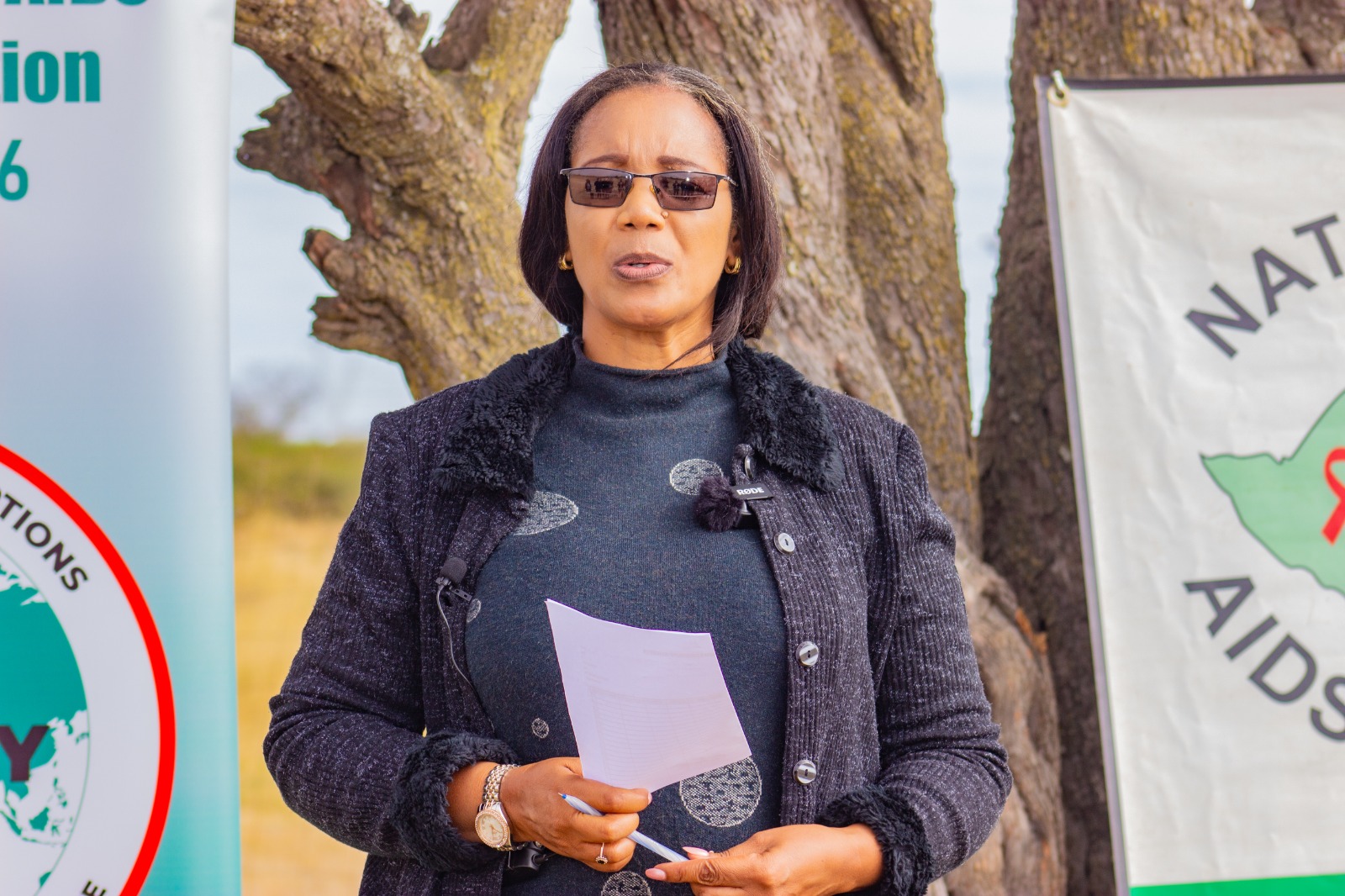
Mr. Isaki Chiwara National AIDS Council District AIDS Coordinator told HealthTimes that women in the areas were not booking and this was a huge risk factor for the HIV response.
“The problem is that mothers in this area only come to deliver at a health facility. They don’t visit the ANC and this will be risky for the child. we are saying, if the mother had taken her medication as 12 weeks, it means her viral load would have gone down by the time of delivery. That then gives the baby them a higher chance of not getting infected,” said Mr. Chiwara.
Children remain the most vulnerable. In the Midlands Province, where Gokwe falls, treatment coverage for children living with HIV lags far behind that of adults. While 91% of adults are on antiretroviral therapy, only 61% of children have access, according to the National AIDS Council. Gaps in testing, poor follow-up, and high rates of home deliveries mean many infected children are never diagnosed in time.
Mr. Mambewu Shumba, the NAC Provincial manger said, “Children are lagging behind in terms of HIV testing, equally in terms of HIV access. Some of the reasons are obvious, they don’t have powers to decide, we decide for them. We take them to the clinic; we may forget again to have them tested even when we get them at the clinic. The issue to do with stigma and discrimination, also crops in.”
Zimbabwe is currently driving efforts to eliminate mother-to-child transmission of three conditions, which we refer to as triple elimination. The goal is to prevent HIV transmission from mother to unborn baby, eliminate congenital syphilis—which is usually a sexually transmitted infection that can also be passed from mother to child—and begin eliminating hepatitis B, which can likewise be transmitted from mother to child.
Dr. Mary Muchekeza, the Midlands Province Medical Director said, “The national target is to reduce vertical transmission—that is, transmission from mother to unborn child—of these diseases. Specifically, we aim to reduce vertical transmission of HIV to less than 5 percent. Currently, in Midlands Province, our rate stands at 9.1 percent, which is significantly higher than the target.
“We are actively exploring models and strategies to reduce this rate, especially in the context of reduced donor funding, to ensure continued progress toward the national target. We have also observed that pregnant women in Midlands, as in other parts of the country, show a low uptake of pre-exposure prophylaxis (PrEP), which remains a critical tool in preventing transmission.”
As Gokwe’s story reveals, the fight against HIV is no longer just about medical breakthroughs. It is about reaching communities where tradition, poverty, and distance stand between life and death. Without stronger interventions to promote safe, institutional deliveries, Zimbabwe’s hard-won progress against mother-to-child HIV transmission could unravel, one village at a time.