
By Michael Gwarisa in Gokwe
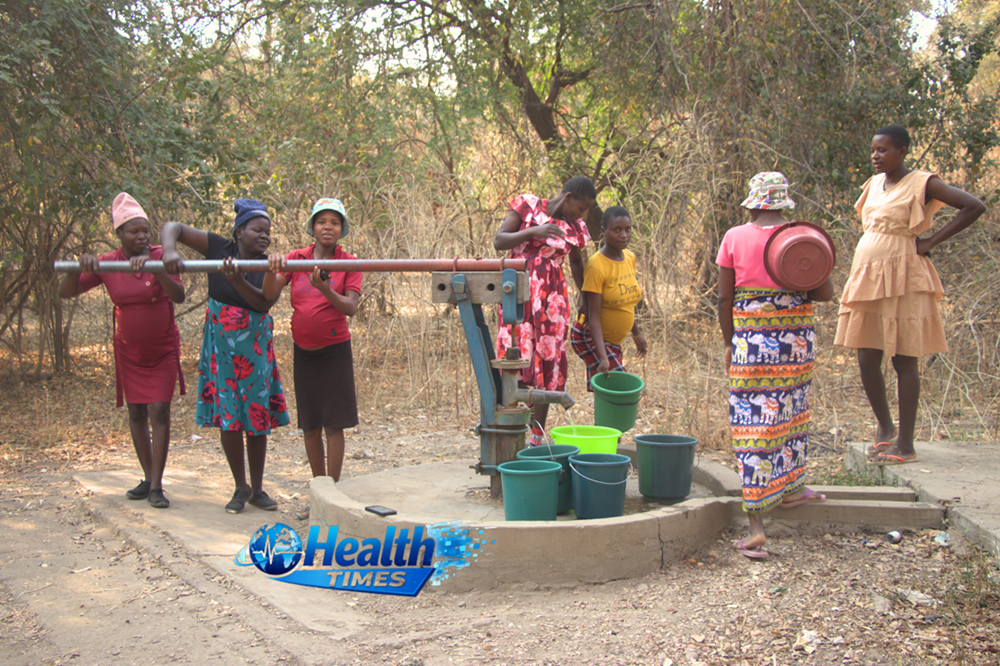
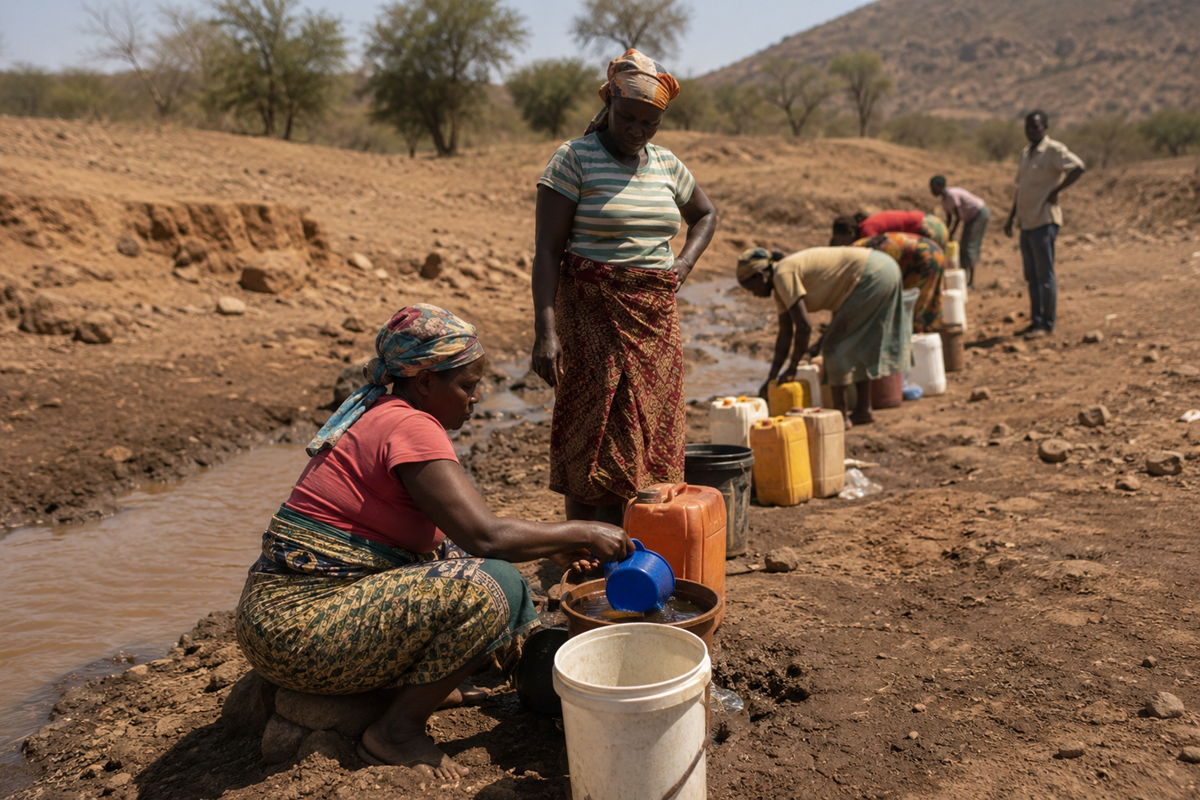
For years, healthcare in Gokwe North has been beyond the reach of many. The terrain is unforgiving, rocky, bumpy, and scorched by a relentless sun. Narrow footpaths snake through thorny bushes and jagged rocks, leading to scattered homesteads perched in places so remote you can’t help but wonder how anyone managed to settle there. Clinics are few and far between, with some as distant as 25 or even 30 kilometres away. In such an environment, seeking healthcare often means risking dehydration, exhaustion, or worse.
It is September 16, 2025, and the heat is merciless. Mobile devices read 36 degrees Celsius, and most villagers have already retreated into the shade. But Senzeni Munemariva is unfazed. Clad in a striking red T-shirt branded with the Africa CDC and Mastercard Foundation logos boldly inscribed “Saving Lives and Livelihoods – In Partnership with Mastercard Foundation,” she braves the sun on a mission to bring healthcare closer to families in some of the most isolated corners of Gokwe.
WATCH VIDEO BELOW:
Door-to-Door Health Heroes: How Village Workers Brought Care to Children & Elders in Gokwe
Her journey takes her to the Bhunhu homestead in Bhunu Village, where she exchanges warm greetings with Gogo Bhunhu, a sprightly woman in her early 90s. Soon after, the village head joins them under the shade of a makeshift grain-drying structure, ready to listen. Senzeni explains that her visit is part of the Saving Lives and Livelihoods (SLL) program, which not only educates households on health-seeking behaviour but also mobilises them to attend outreach services.
The second phase of the SLL program for door-to-door mobilisation commenced in June 2025 and is now in its final days, ending in September. Senzeni addresses the family with calm authority.
Firstly, I am here to inform you about the outreach activity happening tomorrow under the mahogany tree,” she says. “I would also like to gather some information. Do we have a girl aged 10 here, a child under five who may have missed their vaccinations, or perhaps an elderly person who needs screening for hypertension, diabetes, or other non-communicable diseases?”
Her words immediately resonate with the family. Gogo Bhunhu’s son, Mr. Charles Bhunhu, who also serves as the village head, responds quickly.
“My mother has been struggling with hypertension and is in urgent need of medication,” he says. “I am looking forward to the outreach tomorrow. Is it possible to get her the medication because I have been trying to get it for some days now?”

Senzeni assures him that his mother will receive assistance the following morning. She then chats with other women under the shed before moving on to her next household.
“This program has served us a great deal. We have been struggling for a very long time since we came here to get healthcare services,” adds Mr. Bhunhu. “We used to walk to Bhinda, Mutora, and even Musamba in Mashonaland West just to get health services.”
Other villagers testify that mobilisers have been doing a remarkable job in ensuring people, especially the elderly, access healthcare.
Podzai Zimba, from neighbouring Chirenga Village, says, “The mobilisers are always in our homes, checking on us and ensuring we are up to date with our healthcare. I have always experienced recurrent headaches, and since this program started, I have been getting medication. It has helped a lot.”
Although the majority of Village Health Workers countrywide are women, the SLL program also includes men. One of them is Mr. Ndori, a village health worker trained under the program. He says changing perceptions was difficult at first, but communities are gradually embracing the initiative.
“In this project, we are moving door-to-door, educating villagers on the importance of vaccination for children. We are also educating communities on why they should embrace HPV vaccination for their girls. It was not easy telling parents that their daughters needed protection from cervical cancer through HPV vaccination. Some had different views, but I am glad all that is changing now,” said Ndori.
Gokwe North District has 28 health facilities, 25 of which are supported by the Zimbabwe Association of Church-Related Hospitals (ZACH) under outreach activities. Meanwhile, 22 of these are primary healthcare facilities also supported by the Zimbabwe Red Cross Society (ZRCS) under the RCE project. The district, with a population of about 360,000, has 66 trained health workers leading mobilisation efforts. The training was faciulaited by the Zimbabwe Red Cross Society and the International Federation of Red Cross and Red Crescent (IFRC).
“The trained village health workers are doing door-to-door mobilisation where they visit homesteads, educating households about the different services and activities available at outreach points and facilities,” said Sister Caritas Mbombe, the District Nursing Officer for Gokwe North.
“So each worker visits villages in their catchment area, giving health education on Human Papilloma Virus (HPV), cervical cancer, and the target groups for HPV vaccination, which include Grade 5 girls and 10-year-old girls out of school.”
She added that the program has helped reach children who had missed their doses. “Some zero doses are now being reached mainly because of the social mobilisation by village health workers. Those previously missed are also being vaccinated through facility-based outreach activities.”
Village health workers also educate communities on Tetanus and Diphtheria (TD) vaccinations, where five-year-olds are supposed to get the TD one dose, and 10-year-olds the TD two dose.

The outreach teams conduct two sessions per day—morning and evening. At Hongoro Primary School, Grade 5 girls queue for HPV vaccines, while other age groups of both girls and boys receive TD shots.
Mr. Ronald Shava, the District Health Promotion Officer, said, “The main indicators we are looking at are the target groups, mainly the Grade 5 girls, which is why we chose Hongoro. We are vaccinating them against HPV to prevent cervical cancer. Besides HPV, we are also targeting TD vaccinations at ages five and 10.”
The following morning at Gangangaga Primary School, learners eagerly wait to receive their HPV and TD shots during break time.
For mothers like Debra Kandinga of Ganganga Village, the outreach has been a relief. Her baby had missed booster doses for Oral Polio Vaccine and DPT at 18 months.
“The last time, I had to travel to Nemangwe with my baby for her measles shot at nine months. Nemangwe is very far. When my daughter turned 18 months, I could not take her for immunisation. I had also missed the previous outreach, so this time I said I will be the first one here,” said Kandinga.
NCDs Screening and Management
Beyond vaccinations, the SLL program integrates other services such as non-communicable disease (NCD) screening and treatment. Each outreach team is composed of a nurse, a doctor, and community health nurses.
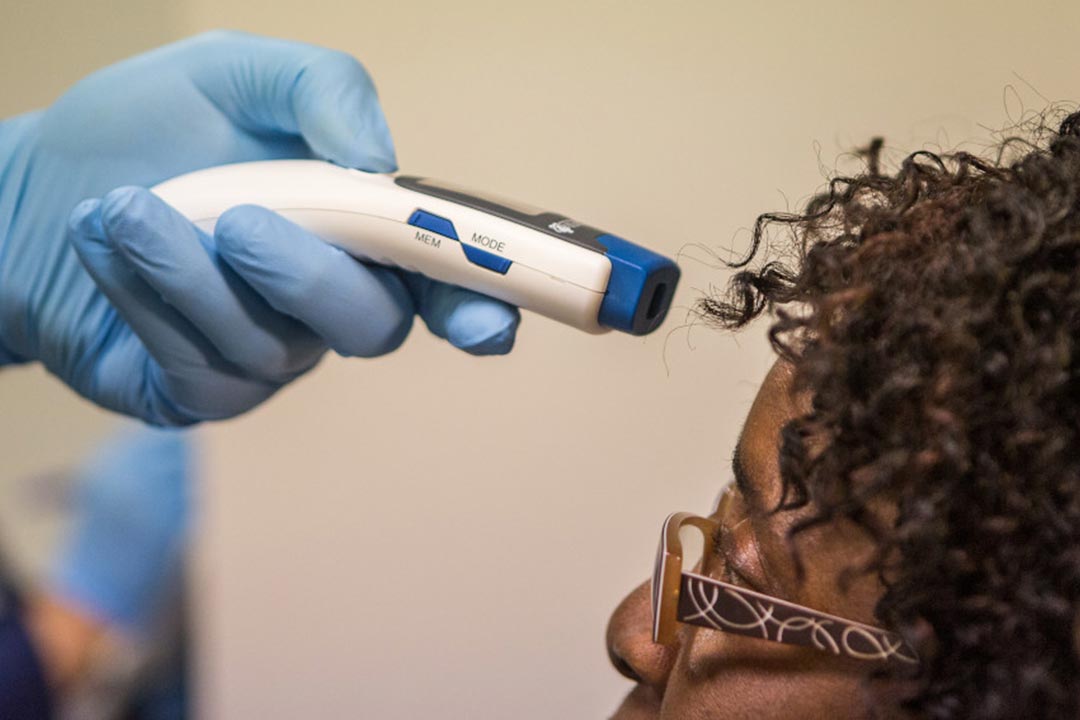
Since its launch, Gokwe has recorded an increase in NCD screenings, especially hypertension and diabetes, thanks to the outreach teams for carrying screening kits for blood pressure and blood sugar checks.

Sixty-five-year-old Sekuru Dzingai Karikumasa from Hongoro Village in Gokwe North, who suffers from hypertension, praised the initiative.
“Ever since this program started, I have been coming here to get my readings and medication. This has helped me manage my hypertension well, as I am always in the know about my health,” he said.
The Ministry of Health and Child Care (MoHCC) has noted that NCDs are a leading cause of death among people over 36. Outreach teams are also screening people with disabilities and children under five.
Dr. Addington Chiguvare, a doctor accompanying the team in Gokwe North, said, “Most of the patients we are seeing are elderly. One of the benefits of this program for the elderly is that it shortens the distance to the nearest health facility. The elderly cannot walk such long distances. We are screening for hypertension, diabetes, and other NCDs. Most of these people had no access to medication, so we have brought it to them.”
In Gokwe North, outreach activities supported by ZACH have significantly improved access to healthcare by bringing services closer to communities that previously had to walk up to 28 km to the nearest facility. Nurses and outreach teams now conduct regular facility-based activities, with some going out for up to 16 days a month. As a result, more children are being vaccinated, more girls are receiving HPV vaccines, and more adults are being screened for NCDs.