By Michael Gwarisa
Data on human remains repatriated through Robert Mugabe International Airport (RGM) from the United Kingdom shows that men account for the majority of deaths in the diaspora, with cardiac diseases emerging as the leading cause of death among them, HealthTimes can exclusively reveal.
A study conducted by the Port Health Department at RGM between January 2024 and June 2025 found that cancer was the leading cause of death among women, while men, particularly those over the age of 50, were primarily succumbing to cardiac-related complications. The findings were based on human remains registers and clearance forms currently under review.
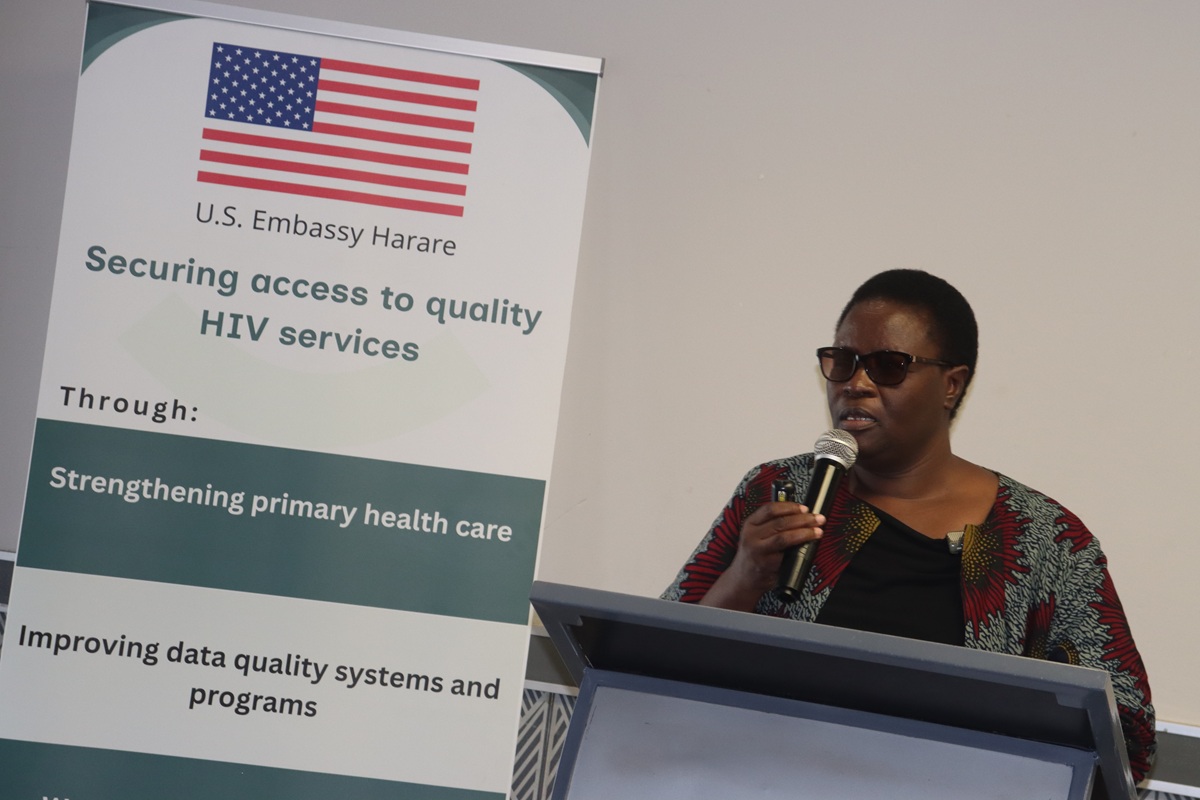
Cancer was a leading cause of death at 23 percent, followed by cardiac diseases. Stratification of cause of death by sex showed that males were dominating, especially in the cardiac diseases category,” said Beryl Nothando Maphosa, a Port Health Officer at RGM, while presenting the findings during a graduation ceremony for field epidemiologists in Harare.
She added, “This could be attributed to migration patterns among males seeking to fend for their families. Males often tend to have poor self-seeking behaviour compared to females.”
The study also showed that the United Kingdom accounted for nearly half of all human remains received into Zimbabwe through RGM, reflecting the country’s long-standing migration ties with Britain. However, Maphosa cautioned that the figures might look different if data from other points of entry were analysed. Migrants older than 50 years contributed a significant proportion of the human remains examined.
Why Migrant Men Are at Higher Risk
Cardiac arrest has emerged as a leading cause of death among migrant men due to a combination of stress, poor diet, and difficult working conditions. Many leave Zimbabwe medically fit, but once abroad they face long working hours, income uncertainty, and exposure to harsh environments that increase heart disease risk. Limited healthcare access and cultural tendencies to “tough it out” further compound the problem.
Separate studies back this up. Researchers have consistently linked high cardiac arrest deaths among migrant men to psychosocial stress, debt, and poor living standards. Unhealthy diets and lifestyle changes in host countries also raise cardiovascular risk.
According to Migrant Forum Asia, migrants often endure strenuous physical labour, long shifts, and extreme temperatures, conditions that strain heart health. Lack of regular medical check-ups and follow-up care means many cardiovascular problems go undetected until it is too late.
Cardiovascular risk is also influenced by ethnicity and host-country conditions. For example, a 2019 study on Nepali migrant workers in Malaysia found strong links between sudden cardiac death and factors such as long working hours, strenuous activity, excessive alcohol consumption, and being overweight.
Meanwhile, global estimates by the World Health Organization (WHO) and the International Labour Organization (ILO) show that long working hours were responsible for 745,000 deaths from stroke and ischemic heart disease in 2016, a 29 percent increase since 2000.
The Human Cost Back Home
Beyond the statistics, the impact is deeply felt in Zimbabwean households. Many of the men who die abroad are breadwinners whose families rely heavily on remittances. When death strikes suddenly, families back home not only lose financial support but also face the burden of repatriation costs, which can run into thousands of dollars.
“These deaths are more than numbers,” noted a health expert familiar with the study. “They represent children left without school fees, widows struggling to survive, and families forced into debt just to bring their loved ones’ bodies home.”
For families, the emotional toll is devastating. What begins as a journey of hope often ends in grief, with communities rallying together to fundraise for funeral costs. This cycle underscores the urgent need for preventive health awareness among Zimbabweans in the diaspora.
Call to Action
The findings serve as a wake-up call. Experts warn that without lifestyle changes, better health-seeking behaviour, and accessible healthcare for Zimbabweans abroad, the number of cardiac-related deaths will continue to rise. Regular check-ups, healthier diets, stress management, and proactive medical care could save lives.
Migration may offer economic opportunity, but for too many Zimbabwean men in the UK, it is also exposing them to silent and deadly health risks. Addressing these risks is not just about saving lives abroad, it is about protecting the families and communities who depend on them back home.