By Michael Gwarisa
As Zimbabwe grapples with a growing burden of cardiovascular diseases (CVDs) linked to changing lifestyles and diets, Cimas iGo hosted the second edition of its annual Pedal to Wellness cycling event in Harare, drawing more than 300 participants, including men, women, and children.
The initiative, held in the run-up to World Heart Day on September 29, is part of the medical aid society’s broader push to promote active lifestyles, preventive health, and wellness among Zimbabweans.
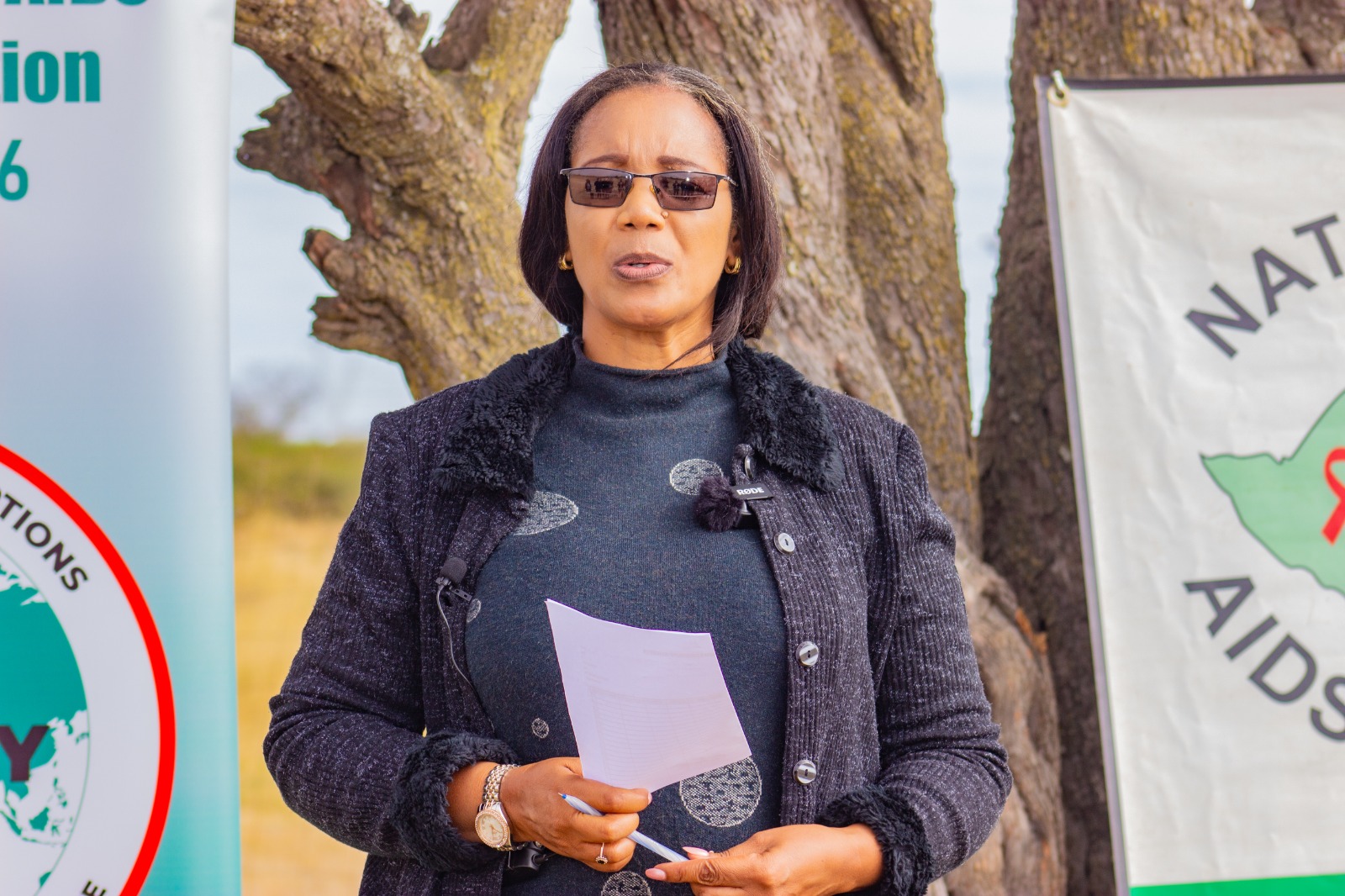
Speaking at the event, Cimas iGo Head, Dr. Nicola Misi, said the turnout exceeded expectations and signaled a positive shift in attitudes towards physical fitness and preventive health.
Today we hosted the annual Pedal to Wellness event, and we are happy with the turnout,” said Dr. Misi. “We are here to promote cardiovascular health. In commemoration of World Heart Day, we are encouraging people to get active because chronic diseases are on the rise. Cycling is a fun way of keeping fit, and you can do it alone or with your family.”
She added that lifestyle diseases remain one of the country’s leading health threats, but initiatives like this provide a pathway to healthier living.
“Cimas iGo is all about wellness. We are promoting active lifestyles, good nutrition, and better health overall. We want people to reach out to us for guidance so that together, we can keep the ball rolling on preventative health,” Dr. Misi said.

Among the cyclists was Martina Kaome, a 41-year-old eye specialist who has been riding since 2009. She described cycling as both exhilarating and beneficial to one’s health.
“I’ve always loved cycling. It’s a sport of thrill and adventure—you see places, you stay fit, and it gives you a rush of adrenaline,” said Kaome. “Unfortunately, there are still very few women in cycling because many feel it’s dangerous, especially on Zimbabwean roads. Others shy away because of the costs involved. But I would encourage women who are interested not to let fear or stereotypes stop them. Go for it.”
Her call resonated with the event’s emphasis on inclusivity, as families cycled together in what became a community celebration of fitness.
For some, the event was not just about fun, but also about making lifestyle changes. Zimmy Kanyemba, 50, said he took part to recommit to his health.
“I really enjoyed it. An athlete is an athlete—even if you ride a bike, you are still keeping fit,” said Nyemba. “Many men are suffering from cardiac diseases because of lack of exercise and poor diet. I’ve learned a lot from this event, and I’m motivated to do better going forward.”
Health experts note that Zimbabwe is experiencing a worrying rise in cardiovascular diseases such as hypertension, stroke, and heart disease, often driven by sedentary lifestyles, poor nutrition, and high rates of smoking and alcohol use. According to the World Health Organization, non-communicable diseases (NCDs) account for over a third of all deaths in the country, with cardiovascular conditions being the leading contributor.
Events like Pedal to Wellness are therefore increasingly vital in raising awareness and offering practical ways for citizens to engage in regular exercise. Cycling, in particular, is recognized as a low-impact sport suitable for people of different ages.
Participants also highlighted the social benefits of cycling. Kaome noted that finding partners for training can be difficult, especially for women, but gatherings like this build a sense of community.
“It’s not just about fitness—it’s about connecting with others and creating a supportive environment,” she said.
The event ended on a celebratory note, with families and individuals pledging to make cycling and other forms of physical activity part of their routine.
Dr. Misi urged Zimbabweans to carry the spirit of the day into their daily lives.
“We’ve had a great turnout, but this should not end here. It’s about making health a lifestyle. If we can continue promoting wellness, nutrition, and physical activity, we will see a healthier nation,” she said.