By Kuda Pembere
The Women’s Action Group (WAG) has commended the judiciary for a landmark ruling that struck down parts of Zimbabwe’s abortion law.
The High Court declared unconstitutional several provisions of the Termination of Pregnancy Act, ruling that they violate fundamental rights, particularly those of mentally ill women and victims of sexual abuse in mental health institutions.
Justice Sylvia Chirawu-Mugomba, delivering the judgment, ruled that section 4(a) of the law governing circumstances under which a pregnancy may be lawfully terminated “to the extent that it excludes mental health” fails to meet constitutional standards and unjustifiably limits key rights such as dignity, equality, and the right to health.
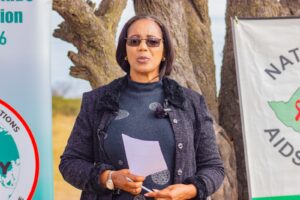
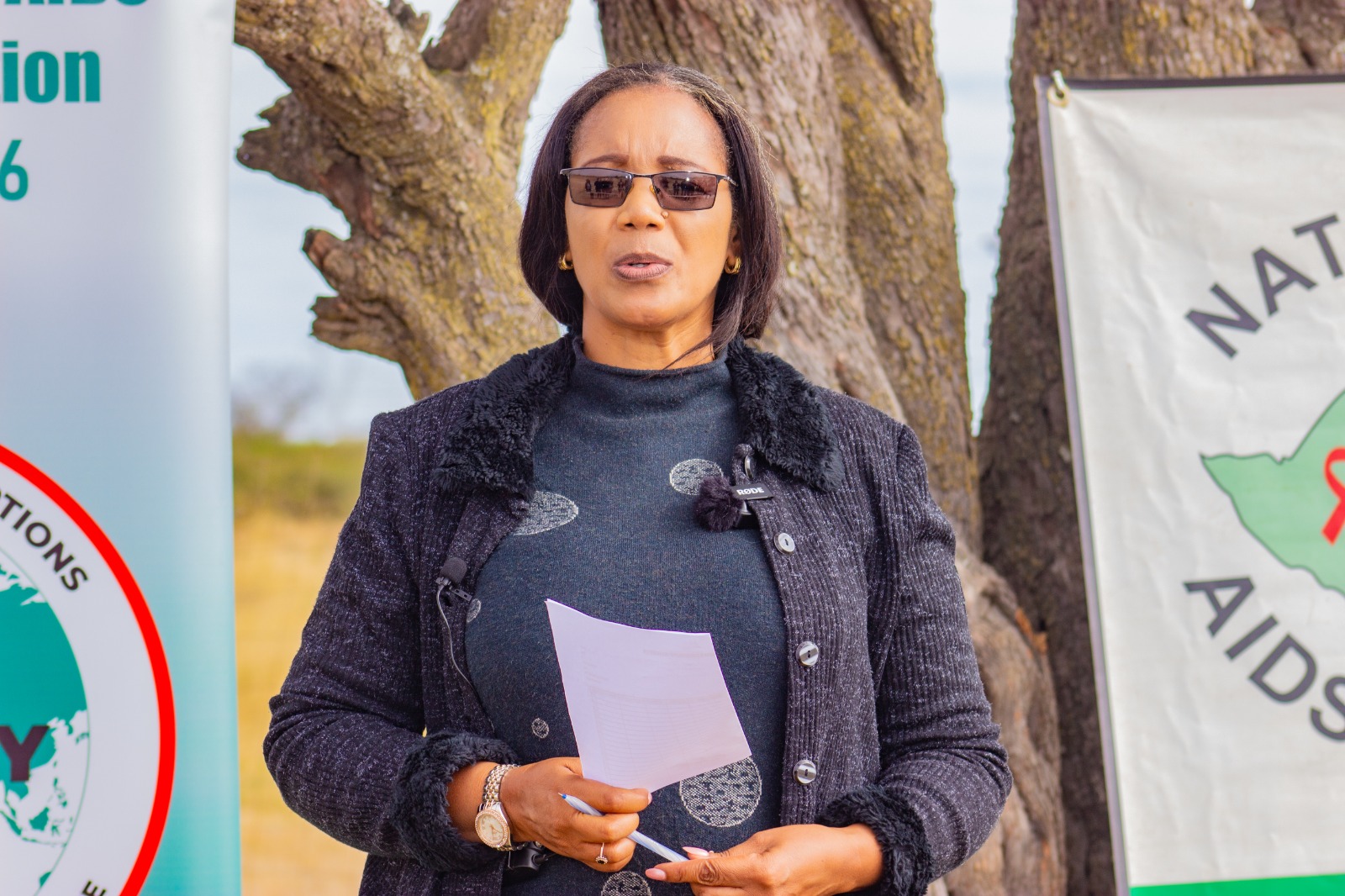
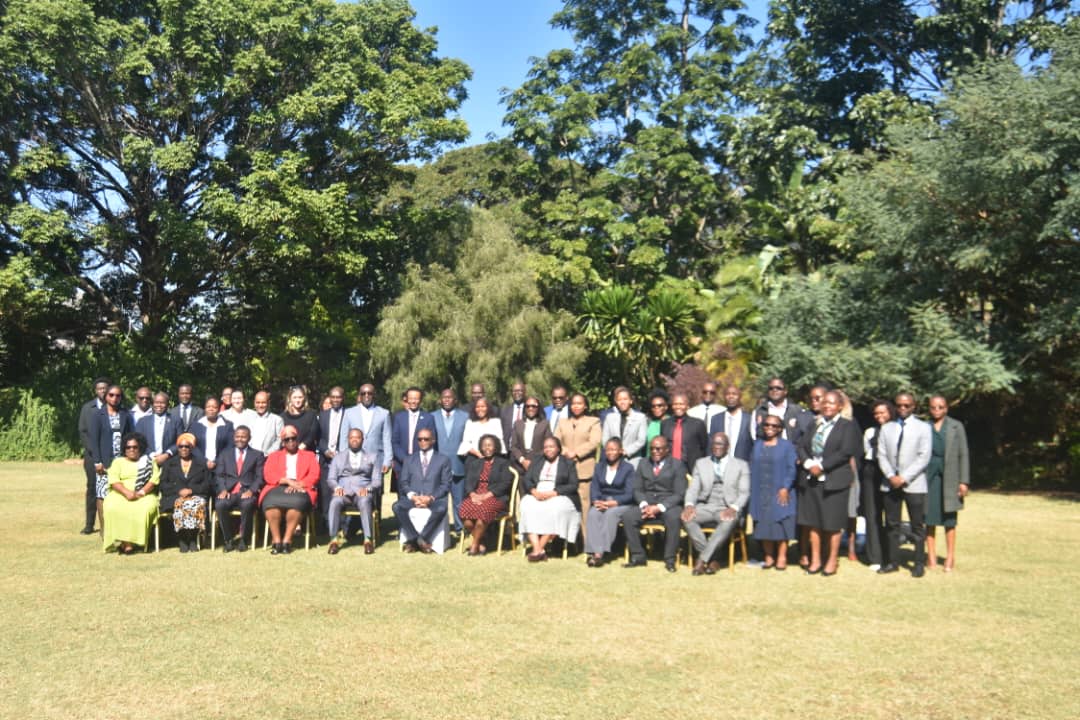
WAG Programmes Coordinator Clara Mhlaba, speaking to HealthTimes on the sidelines of a Values Clarification and Attitudes Transformation (VCAT) meeting with journalists on Thursday, hailed the ruling.
“Maybe just in a few words, we are just saying that it’s a positive move because when we are looking at issues to do with SRHR, it’s broad,” she said.
According to Mhlaba, the mental health component was something they had been advocating for over several years.
“It also involves the physical and mental health part of a person, so the issue of also considering mental health, which was a gap within the Termination of Pregnancy Act, it’s also a positive move, and it is something that shows that we also need to align our Termination of Pregnancy Act with regional and international laws and policies,” she said, adding: “For example, the Maputo Protocol also speaks to issues of mental health as a circumstance for one to access termination of pregnancy services.”
Justice Chirawu-Mugomba noted that the applicants had “well-articulated the impact of the exclusion of mental health as a ground to access safe abortion,” concluding: “Therefore, s 4(a) in my view, to the extent that it excludes mental health, does not meet the standards enunciated in the constitution… It is clear that women with mental health challenges are treated differently when it comes to the permissible health-related grounds for termination.”
She rejected the argument by the Minister of Health that mental health risks were implicitly covered under “life-threatening” physical conditions, stating that such an interpretation would be “not explicit” and left vulnerable women without clear legal protection.
The judge emphasised that mental health is integral to overall health, citing evidence of “genuine challenges women experience with mental health, including those that may arise after childbirth.”
Justice Chirawu-Mugomba also held that the definition of “unlawful intercourse” in s 2(1) is unconstitutional because it fails to include sexual abuse defined under s 106 of the Mental Health Act, which criminalises sexual intercourse with mental health patients.
In the November 11 ruling, she said: “Excluding mental health in the definition of unlawful intercourse, as proscribed in s 106… denies women in such circumstances access to safe abortion services.”
She found that the omission violates multiple constitutional rights, including the right to life (s 48), dignity (s 51), equality (s 56), and reproductive health (s 76), noting that mentally ill women “face legal and procedural barriers to accessing necessary reproductive healthcare.”
The judgment sharply criticised the inconsistency between the Termination of Pregnancy Act and the Mental Health Act, observing: “The inconsistency between these legislative frameworks undermines the principle of equality before the law.”
While acknowledging Parliament’s primary role in law-making, she said courts are constitutionally required to intervene where rights are unjustifiably limited.
She noted: “Judicial intervention is necessary to uphold constitutional rights, fill legal gaps, or develop the law in line with evolving social values.”
The court considered whether to “read in” new provisions — a remedy used where a statute is unconstitutional due to an omission — but concluded that the applicants had not framed their requested relief with sufficient precision.
The judge ultimately declared portions of s 4(a) and s 2(1) unconstitutional but suspended the declarations, as required by section 175 of the constitution, pending confirmation by the Constitutional Court.
She ordered: “The above declarations of constitutional invalidity are suspended until such time as the Constitutional Court has confirmed the same… The above order… is referred to the Constitutional Court for confirmation.”
The applicants, the Community Working Group on Health and Member of Parliament Nyasha Batisa, challenged the constitutionality of the law, arguing that it discriminates against mentally ill women by permitting pregnancy termination only under narrow physical-health exceptions. Rights lawyer Tendai Biti brought the application on behalf of Batisa and the Community Working Group on Health.
Meanwhile, WAG Programmes Officer Vimbai Nyika stressed the importance of raising awareness about post-abortion care, which she described as equally crucial.
“So the possible implications of not accessing post-abortion care can be at different levels. So at the very extreme, someone might even lose their lives, they might die as a result of health complications to their reproductive system, especially if they’ve used methods that are potentially traumatic,” she said. “I think we’ve had reports of desperate measures where women have used very, very unthinkable methods, like the coat hanger, concoctions, and depending on the severity of the implications, death is at the extreme. But someone may even have infections, they can have infections from not getting post-abortion care, they can also endure a lot of pain from that experience, physical pain, because they won’t be having access to pain medication that is also part of the post-abortion care package. Psychosocial support as well.”
Nyika added that post-abortion care also includes professional counselling.
“When we talk about health, it’s not just about physical health, it goes beyond that. And if one has an infection, they have to get treatment for that infection, so if it’s left unchecked, it can develop into something, for example, that can even threaten their fertility, ability to have children in the future. So those are some of the implications,” she said.