By Michael Gwarisa
Zimbabwe has launched preparations for this year’s World AIDS Day commemorations, marking the beginning of a national week dedicated to reflection, mobilization and renewed commitment to ending HIV as a public health threat by 2030. The commemorations, set for Umzingwane in Matabeleland South, come at a time when the country is intensifying efforts to integrate HIV programmes with broader public health priorities, including childhood cancer care.
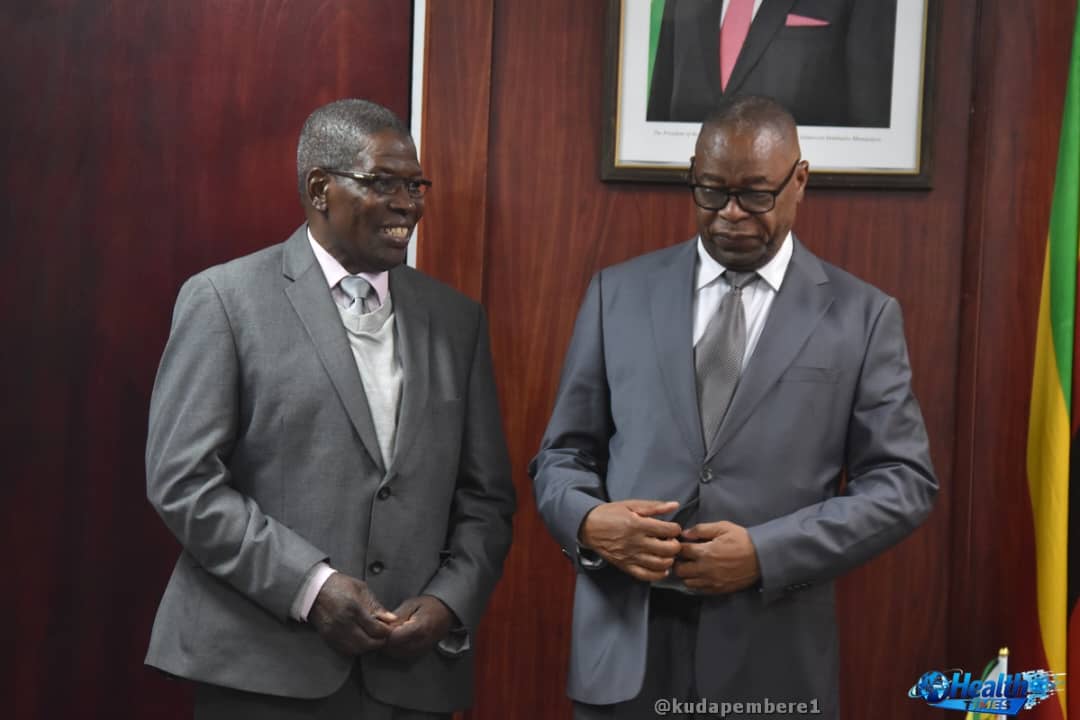
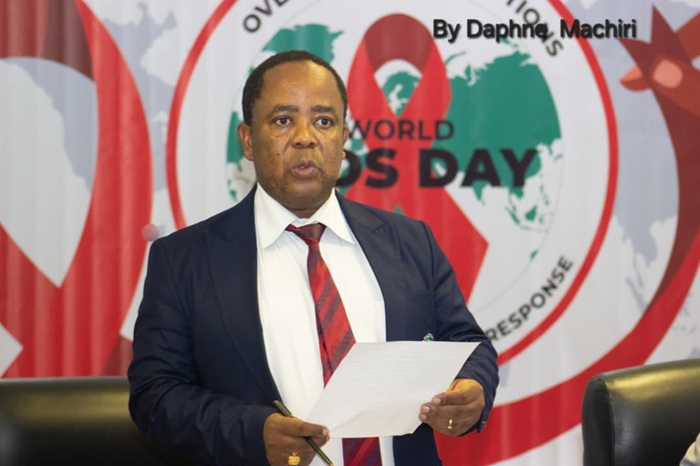
Speaking on behalf of the Minister of Health and Child Care, Dr. Douglas Mombeshora, UNAIDS representative Jerry Manyika said the country continues to make strategic shifts that strengthen the health sector while ensuring that no one is left behind in the HIV response.
In his remarks, Manyika, representing the Minister, highlighted the significance of a handover of USD 109,000 from the National AIDS Council to KidzCan. He said the support reflects a growing recognition that HIV is interconnected with other public health challenges, particularly cancers affecting children.
This support represents a bold step toward integrating our health responses and ensuring that resources are leveraged for maximum impact on the lives of our children,” Manyika said on behalf of Dr. Mombeshora.
He added that many families battling childhood cancer face high diagnostic and treatment costs, leading to delays and preventable loss.
Summarising the Minister’s core message, Manyika noted that the AIDS levy continues to sustain not only HIV programmes but the wider health system. He commended the National AIDS Council for expanding its support at a time when donor funding has sharply declined.
“You have demonstrated that the AIDS levy is a strategic national resource enhancing not just the response to HIV, but the broader health system, especially now when we have lost significant financial support from partners,” he said.
He further emphasised government’s continued support for children and families affected by cancer, stressing the need to maintain public focus on HIV.
“HIV is still real. The HIV story is not dying,” he added.
Manyika also announced that the global World AIDS Day report is being finalised by UNAIDS and will be made available to ensure accurate national reporting and media coverage ahead of the commemorations.
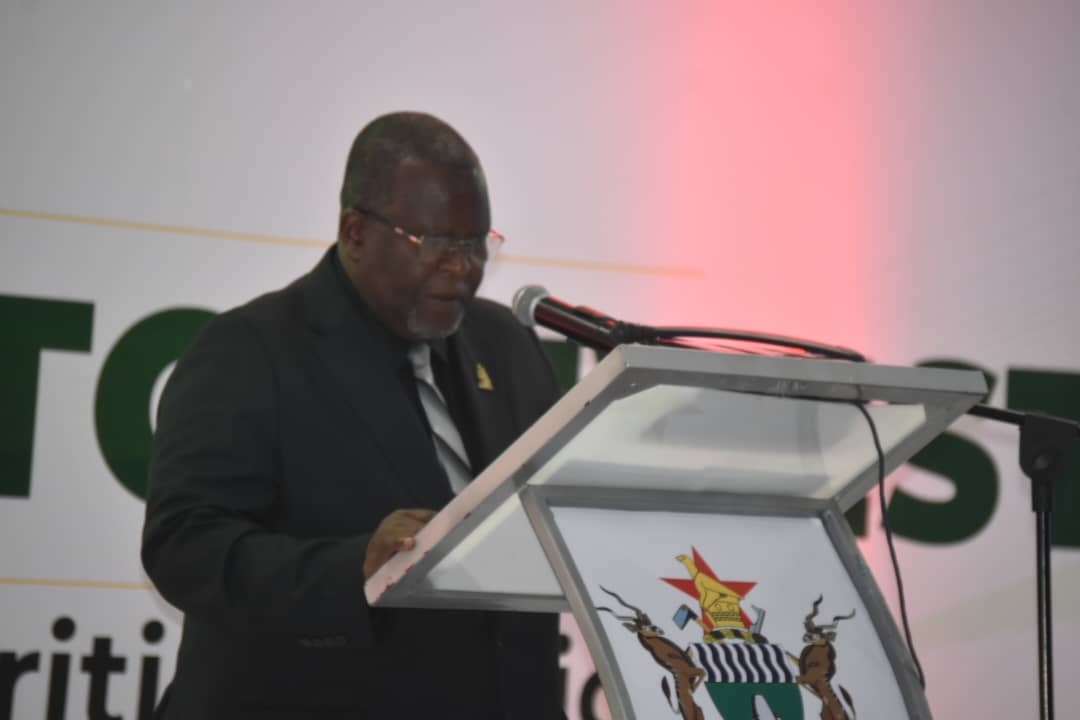
National AIDS Council Chief Executive Officer Dr. Bernard Madzima said preparations for this year’s observance are an opportunity to reflect on hard-won gains and to address remaining gaps. He stressed that Zimbabwe must aggressively strengthen domestic health financing to safeguard its achievements.
“The response to HIV and AIDS is multi-sectoral. As we aim to finish the last mile, we must redefine and reshape our funding landscape and look internally for domestic resources to support HIV and broader health programmes,” Dr. Madzima said.
He highlighted that Zimbabwe is nearing the end of the fourth National AIDS Strategic Plan, which runs from 2020 to 2025, and consultations are underway for the next framework that will guide efforts up to 2030.
“We hope that the next strategy will present solutions that allow us to end AIDS as a public health threat by 2030,” he said.
Dr. Madzima outlined the calendar of events leading up to December 1, stressing that World AIDS Day is not a one-day commemoration but the peak of a series of activities driven by communities, health facilities and civil society organisations.
The main commemoration in Umzingwane will follow the country’s tradition of rotating hosting responsibilities between provinces. Matabeleland South is the designated host this year, ensuring national visibility and regional engagement.
Dr. Madzima said the commemorations will highlight key progress areas, including expanded treatment access and improvements in prevention, while also drawing attention to persistent challenges such as rising infections among adolescents, treatment adherence concerns and financial pressures resulting from shrinking international support.