By Kuda Pembere
Zimbabwe has made meaningful progress in reducing the national tuberculosis burden, yet stigma linked to the disease remains stubbornly high and continues to outpace that of HIV. Health advocates say this is where the media must step in and help shift public attitudes.
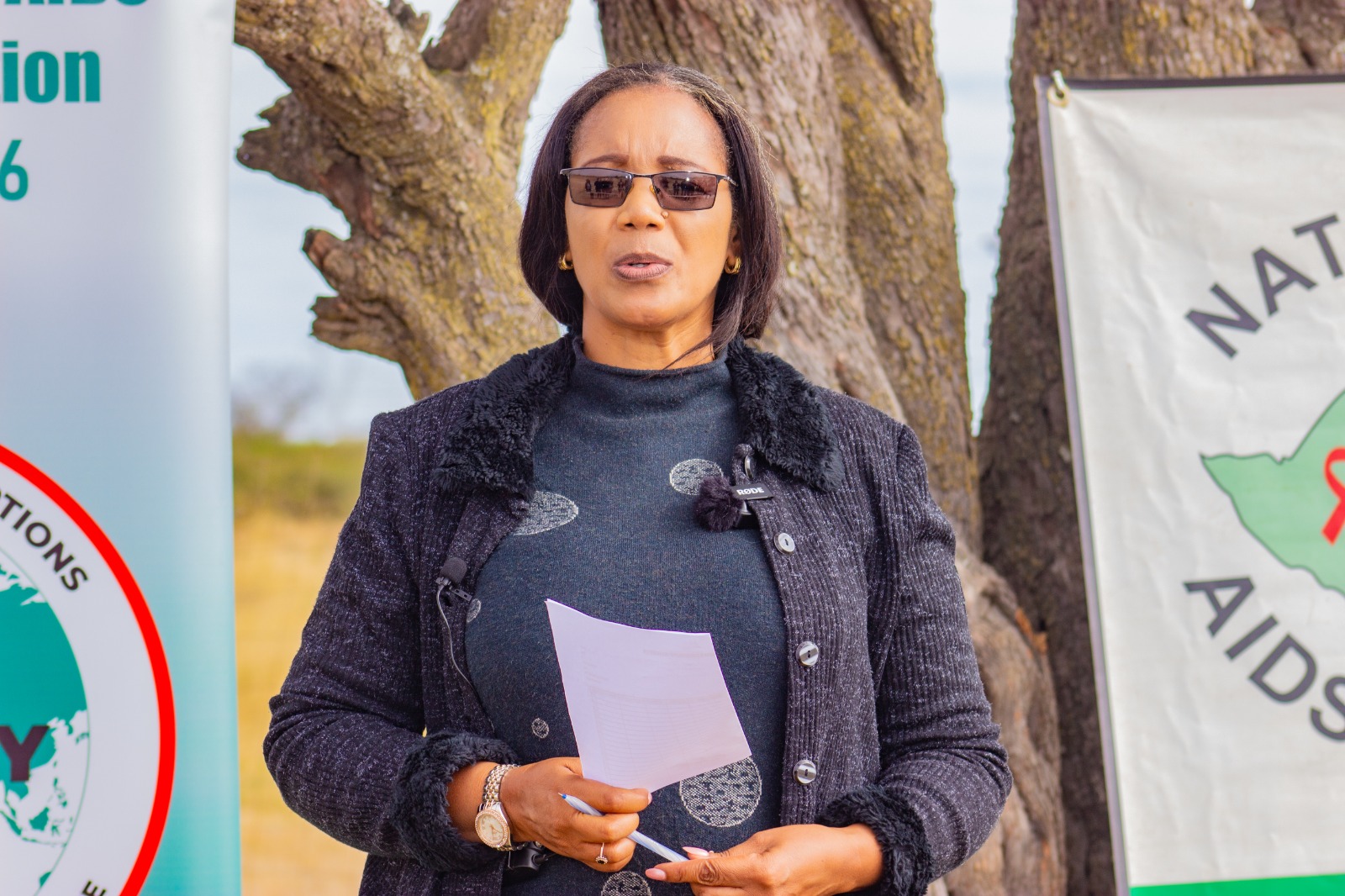
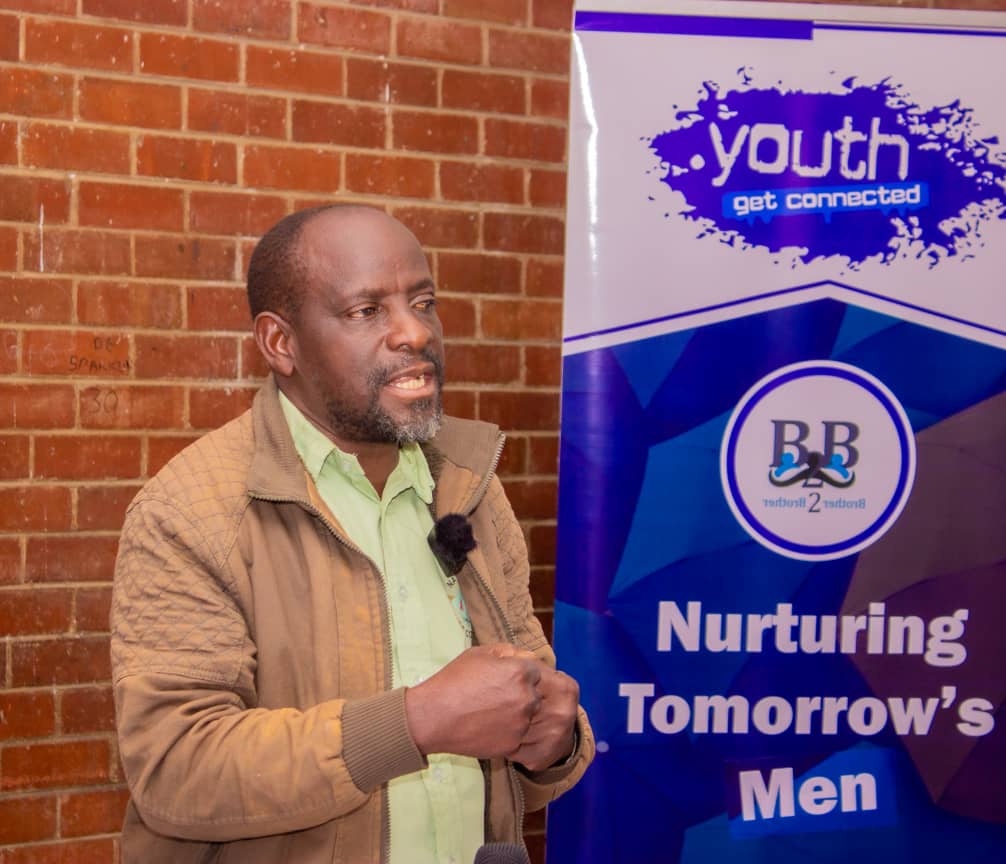
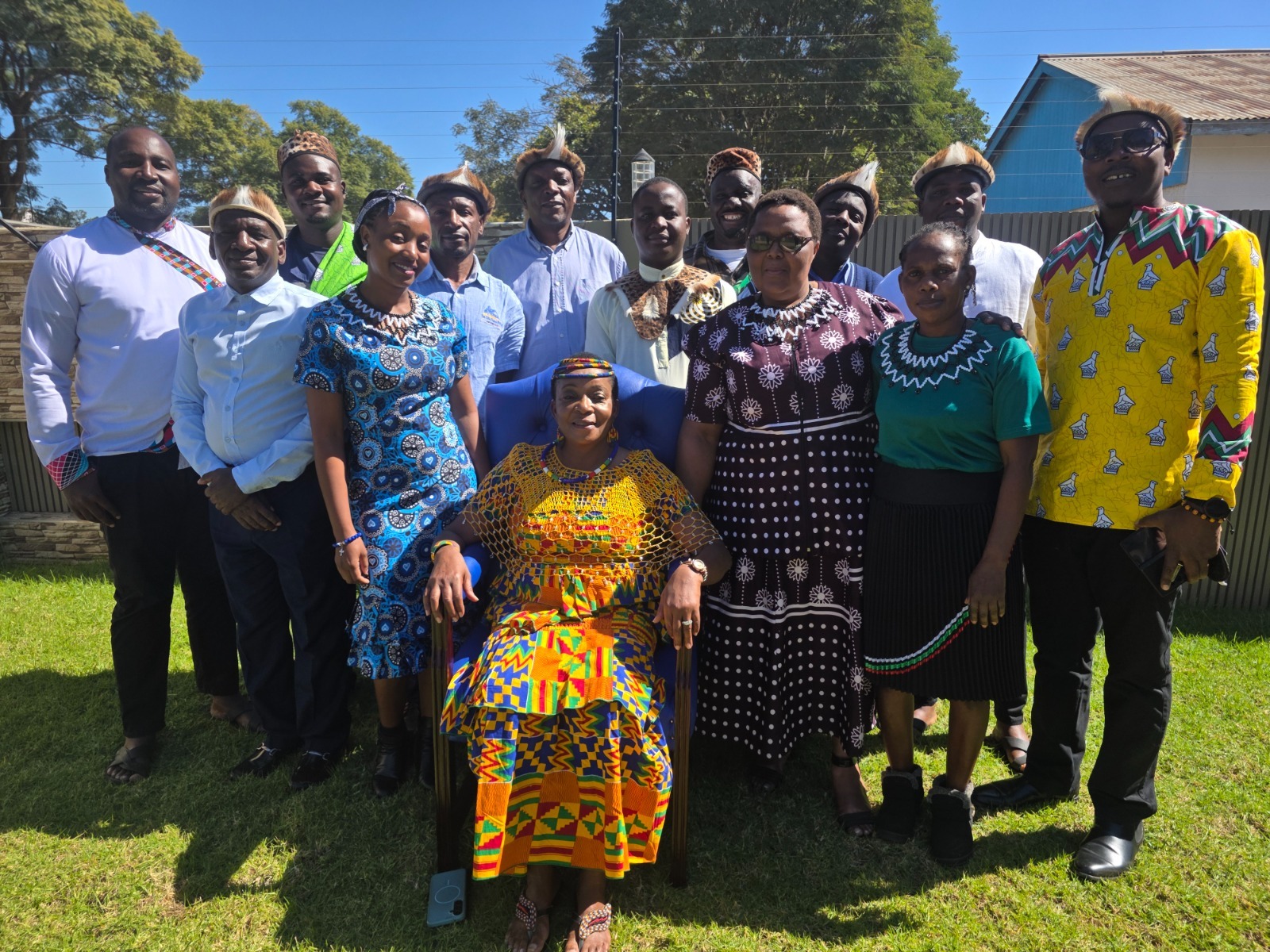
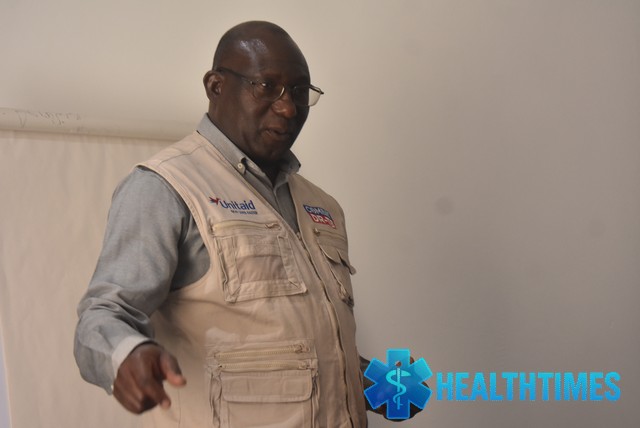
This concern was raised by Dr Donald Tobaiwa, the Executive Director of Jointed Hands Welfare Organization, during a media sensitization meeting on drug resistant TB held last week in Kwekwe.
“But currently, TB stigma, as of the stigma index assessment, is at 49 percent here in Zimbabwe,” he said. “So we still have stigma in the country. HIV stigma is going down to about 22 percent based on the HIV stigma index that was done by UNAIDS and the Zimbabwe Network of People Living with HIV in 2023. But the alarming rates for TB, 49 percent, require us to engage, especially as the media, to facilitate stigma reduction.”
Dr Tobaiwa said the media can also help address self-stigma, which often prevents people from seeking early treatment. He drew parallels with the fear and silence that shaped the COVID-19 outbreak.
“Remember what happened during COVID. The very first week of COVID, because of the fear that had been imparted across communities, there was so much stigma around COVID, isn’t it? Even when we went into lockdown, there was even more self-stigma. I remember people were afraid to get out of their homes, to just go outside within their yards. That was self-stigma,” he said.
He added that the same fear plays out when someone is diagnosed with TB.
“So self-stigma, the minute a person is said to have TB, then they start to say either the myths and misconceptions around, ah, maybe I was bewitched, right? Or the myths and misconceptions around, ah, I’ll die, right? So that messaging becomes important to say, TB does not kill,” he said. “TB is treatable. So ultimately, it is preventable, it is treatable. And if it is curable, then we need not be afraid. So that is number one in terms of where we are missing it.”
He said more media engagement was needed to set the record straight.
“Where we are missing it is we haven’t engaged you enough to continue to share this message that no, TB is preventable, TB is curable, and there is no need to be afraid of TB. That is number one.”
Dr Tobaiwa said community attitudes also weighed heavily on TB patients.
“Number two is the community around, right? The community accounted for 20 percent of the stigma that would be perpetrated. Remember the warning part indicated that disclosure was not coming from the person,” he said. “So if the next-door neighbour is now saying, ah, how about watch TB? And automatically that is fueling the stigma. So again, that is another level.”
He noted that workplace discrimination accounted for 6 percent of the stigma.
“But the workplace contributed to 6 percent. So where you guys are. Ah, I told her off because I need TB. Right? Ask her about that because I need TB. And then it spreads. Instead of people encouraging you, instead of people supporting you, 6 percent stigma was coming from the workplace,” he said.
Structural stigma within health facilities was also recorded.
“Then there was also structural stigma, where in facilities they realized that the health care workers also would contribute. There was about 2 percent, actually 2.9 percent stigma that was coming from the health care workers. So if we address all those points as the media, we then remove, we reduce totally the stigma,” he said. “So it is really important that we do that. So it is our role as the media to ensure that we play a part in stigma reduction.”
Zimbabwe’s estimates on drug resistant TB are based on the 2015 to 2016 National Drug Resistance Survey. Drug resistant TB among new cases stood at 1.8 percent and 4.6 percent among previously treated cases. In 2016, 510 MDR-TB cases were detected, with 484 of them, which is 95 percent, initiated on treatment.
A Ministry of Health officer said the next DR-TB survey was halted due to funding challenges.