
By Kuda Pembere
For most Zimbabwean households, access to protein-rich foods appears, at least on paper, to be relatively stable. According to the Zimbabwe Vulnerability Assessment Committee (ZimVAC), 79 percent of households reported consuming protein-rich foods on a daily basis in 2022. Yet beneath this headline figure lies a more troubling nutritional reality, one that places milk and other livestock-sourced foods firmly out of reach for millions of families.
The Zimbabwe Livelihoods Assessment Committee (ZIMLAC) 2025 report shows that milk and dairy products remain among the least consumed food items in the country. This matters because milk is not just another dietary option. It is one of the most efficient sources of high-quality protein, calcium and micronutrients essential for physical growth, brain development and long-term cognitive performance, particularly in young children.
Zimbabwe’s per capita milk consumption currently stands at just seven litres per year, far below regional and global benchmarks. In Kenya, for instance, average consumption is about 95 litres per capita annually. The gap is not merely statistical. It reflects deep structural weaknesses in Zimbabwe’s livestock production systems, especially feed and fodder availability, which are now directly shaping national nutrition outcomes.
High Feed Costs, Low Milk Intake
Milk has become increasingly unaffordable for low-income households. Retail prices average around US$1.50 per litre in supermarkets, a cost that reflects the high expenses faced by dairy farmers. Feed and fodder account for the largest share of dairy production costs, estimated at close to 80 percent.
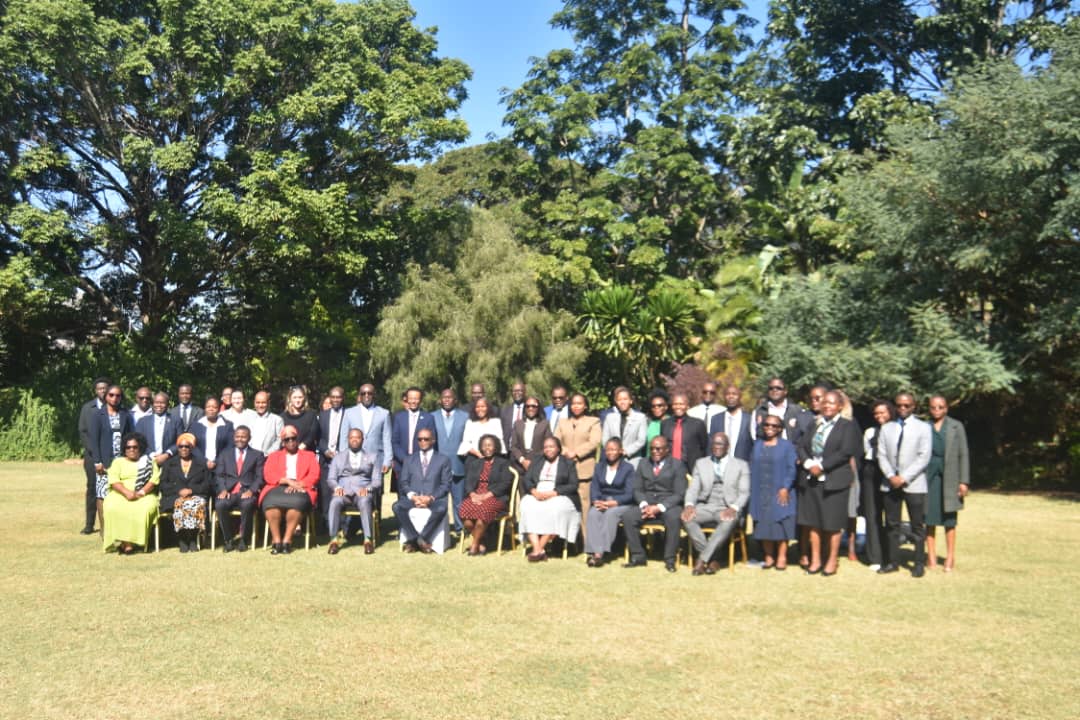
Speaking at a breakfast meeting organised by the Zimbabwe Feed and Fodder Multi-Stakeholder Platform (ZFFMSP), the organisation’s chairperson, Dr Nathaniel Makoni, said feed costs were crippling dairy enterprises.
“Feed costs constitute about 79 percent of production expenses, rendering many enterprises very unprofitable. In 2023 to 2024, we had a drought, and that drought sent things into a tailspin. We cannot afford to be reactive any longer,” he said.
Limited fodder production, rising feed prices and climate shocks have created a vicious cycle. Farmers struggle to sustain livestock, milk yields decline, prices rise, and consumption among poor households drops even further. The result is a steady erosion of dietary quality, particularly among children.
Nutrition, Stunting and Cognitive Loss
Zimbabwe continues to battle high levels of child stunting. According to the latest Zimbabwe Demographic and Health Survey, 27 percent of children under the age of five are stunted. Stunting is not merely a measure of height. It signals chronic undernutrition with lifelong consequences, including impaired cognitive development, reduced learning capacity and lower productivity in adulthood.
Dr Makoni argues that feed and fodder investments represent one of the most direct and underutilised pathways to addressing this crisis.
“When farmers have access to climate-resilient, high-nutrient fodder, they can sustain healthier and more productive livestock even in the face of drought. This moves them from subsistence to a more stable farming model,” he said.
Healthier cows and goats produce more milk, and that increase has both nutritional and economic implications.
“For the family, it means direct access to a vital source of protein, calcium and essential micronutrients that are critical for a child’s physical and cognitive development,” Dr Makoni said.
He added that surplus milk sales generate income that allows households to diversify diets, pay school fees and access healthcare, addressing the underlying poverty drivers of malnutrition. Women, who often manage small livestock, stand to benefit disproportionately from this shift.
A Continental Challenge With Economic Costs
The link between poor diets and lost human potential extends far beyond Zimbabwe. African Union Inter-African Bureau for Animal Resources (AU-IBAR) Resilient African Feed and Fodder Systems project lead, Dr Sarah Ashanut Ossiya, warned that nutrient deficiencies were costing the continent both lives and economic growth.
“Today, around 30 percent of African children are stunted, and in Zimbabwe roughly one in ten children is affected. By the age of five, many already face compromised cognitive ability, reduced concentration and diminished potential,” she said.
Dr Ossiya noted that nutrient deficiencies driven by poor-quality diets, not just hunger, are estimated to cost Africa about 10 percent of GDP and contribute to roughly half of all childhood deaths.
“Ensuring sufficient, adequate food is therefore not just a social issue but an urgent economic and human rights imperative,” she said.
Livestock-sourced foods, she argued, must be central to nutrition strategies because they are rich in highly bioavailable nutrients that deliver significant benefits even in small quantities.
“These foods are uniquely valuable for vulnerable groups such as children, pregnant women and older persons. Proper nutrition is required at every stage of life, from before conception through adulthood, influencing productivity, reproductive health and overall well-being,” Dr Ossiya said.
Yet affordability remains the central barrier. In many African households, more than 10 percent of daily income is required just to meet basic nutritional needs through milk or eggs, effectively turning essential foods into luxuries.
Dairy Economics and the Cost of Inaction
Zimbabwe’s dairy sector reflects this affordability crisis. Production costs average about US$0.60 per litre, compared to roughly US$0.40 in South Africa. According to development economist Dr Benjamin Mudiwa, this has rendered dairy farming largely unviable.
“When we talk about the milk-to-feed price ratio, if it is above 2.0, dairy is profitable. The desired threshold is 3.0. In Zimbabwe, we are at 1.7. For every dollar earned from milk, most of it goes straight back into feed costs. This is not sustainable,” he said.
As a result, many farmers are exiting the sector altogether.
“We are seeing farmers in what we call the stepping-out phase. They are closing their gates and exiting dairy production,” Dr Mudiwa said.
The broader implications are severe. Livestock supports about 70 percent of rural livelihoods and contributes roughly 35 percent of agricultural GDP. Yet an estimated 2.3 million cattle were placed at risk during the 2023 to 2024 drought, largely due to feed and fodder deficits.
The feed supply gap remains stark, with only about 65 percent of national requirements being met. According to Dr Makoni, this deficit reflects fragmented approaches rather than an absence of solutions.
“The cost of inaction is a crisis of profitability, declining milk availability and, ultimately, compromised human development,” he said.
Eroding the Future
Low milk consumption is already translating into measurable human costs. Dr Mudiwa noted that more than 64 percent of women are undernourished, while between 20 and 30 percent of children under five are stunted.
“These are far-reaching consequences in terms of cognitive, mental, psychosocial, physical and emotional development. In simple terms, we are eroding our future in Zimbabwe,” he said.