By Kuda Pembere
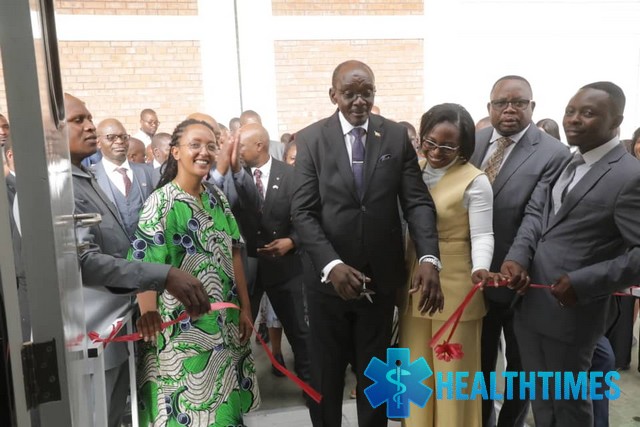
Zimbabwe has received mobile clinic vans and staff minibuses from Cordaid Zimbabwe, with support from the World Bank, valued at more than US$3 million.
The vehicles were procured under the Zimbabwe COVID-19 Response and Essential Health Services Project (ZCREHSP), which was implemented by the Ministry of Health and Child Care between April and June 2025.
The vehicles are valued at a total of US$3,069,547.75.
The mobile clinic vans are fully equipped with medical infrastructure that includes waiting areas, treatment rooms, maternity delivery rooms, air conditioning, fitted cupboards, toilet and shower facilities.
Medical equipment installed in the vans includes electrocardiogram machines, foetal monitors, theatre lights, ultrasound scanners, multiparameter monitors, maternity delivery beds and oxygen tanks, among other essentials.
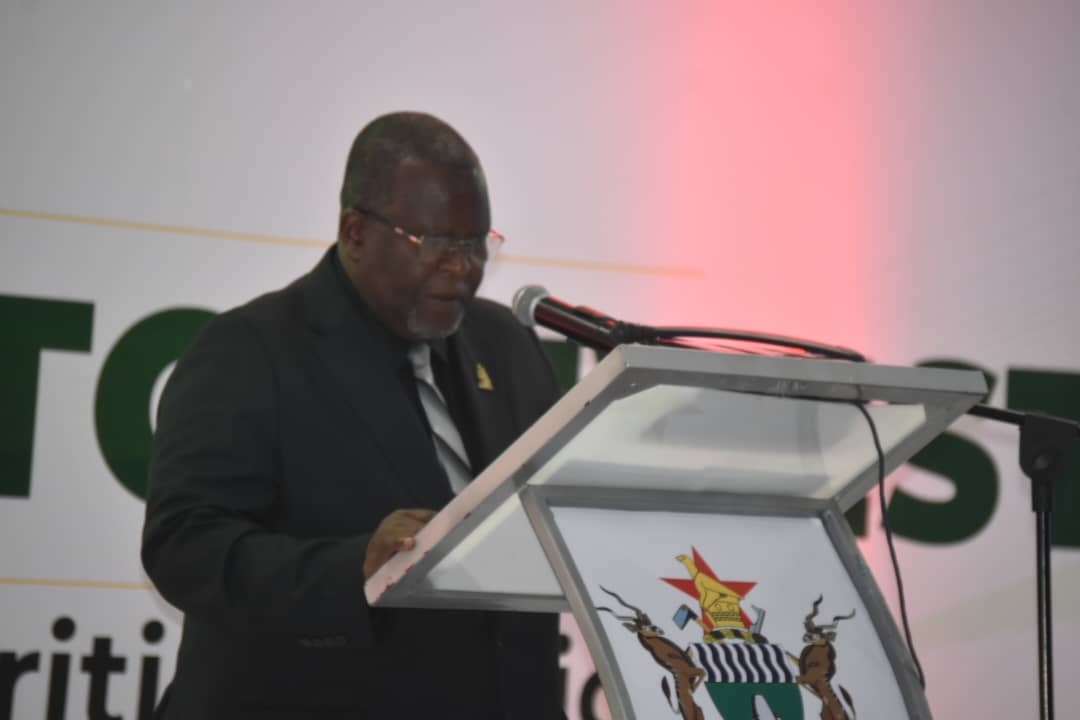
Officiating at the handover ceremony, Vice President Kembo Mohadi said the donation was a testament to the resilience and adaptability of Zimbabwe’s health system.
“It gives me great pleasure to preside over this important handover ceremony of mobile outreach clinic vans and minibuses, an occasion that speaks directly to our national values of innovation, inclusion and service to the people,” said VP Mohadi.
“Today’s event is much more than the transfer of vehicles. It is about how Zimbabwe continues to reimagine health delivery, ensuring that quality services reach every citizen wherever they may live. Through the Zimbabwe COVID-19 Response and Essential Health Services Project, government, working with cooperating partners, has demonstrated that even in times of global adversity, we can innovate, adapt and strengthen our systems.”
Vice President Mohadi said the donation, which targets hard-to-reach communities, aligned with Zimbabwe’s long-term development aspirations.
“The investments made under this project reflect a modern and forward-looking health sector, from mobile outreach services and solar-powered cold chains to digital health and information systems,” he said.
“They also address the transportation of medical staff and medicines to rural areas and strengthen human resources. Zimbabwe is steadily building a health system that is resilient, efficient and people centred. These are not temporary responses to a crisis, but long-term innovations aligned with our national development aspirations. The mobile clinic vans being handed over today are a powerful symbol of our commitment to equitable access to health care.”
Acting Health and Child Care Minister Prof Paul Mavima said the outreach vans would significantly improve service delivery, particularly for non-communicable diseases.
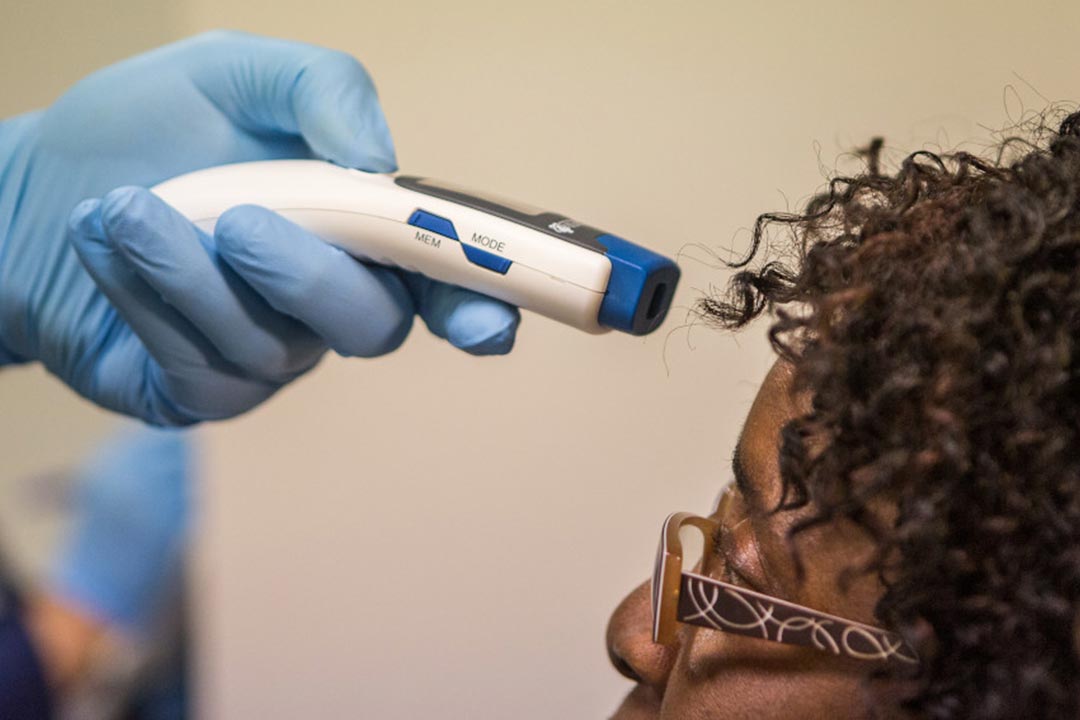
“The mobile outreach clinic vans will strengthen community-based service delivery, especially for non-communicable disease screening and early detection, including blood pressure, diabetes and asthma,” he said.
“By taking services closer to communities, particularly in hard-to-reach areas, we are promoting early diagnosis, continuity of care and better health outcomes. This is part of a broader national push to bring health services to the people and expand access to quality care.”
Prof Mavima said the initiative complemented other interventions such as the ongoing telemedicine rollout, strengthened last-mile delivery of medicines and health commodities through NatPharm, and the deployment and incentivization of health workers in rural and arid areas.
“Together, these strategies are reducing distances, costs and delays in care, while advancing universal health coverage and ensuring that access is widened without compromising quality,” he said.
Acting World Bank Country Manager for Zimbabwe Zewditu Haile said the mobile clinics came at a critical time, as many people in hard-to-reach areas continued to face distance-related barriers to health care.
“According to the 2020 to 2024 Zimbabwe Demographic and Health Survey, 64 percent of women face at least one serious problem accessing health care, and for 20 percent of them, distance to a health facility is a major barrier,” she said.
“These mobile clinics will directly address access challenges. They are more than vehicles. They are bridges that bring essential services to people’s doorsteps and ensure equitable, reliable and high-quality care for every Zimbabwean, wherever they live.”
Haile said the mobile clinics formed part of a broader US$21.5 million project financed through the Global Financing Facility and two additional trust funds, the Health Emergency Preparedness and Response and the Energy Sector Management Assistance Program.
“The project was successfully implemented under the leadership of the Ministry of Health and Child Care in close collaboration with Cordaid,” she said.
Although conceived during the COVID-19 pandemic, Haile said the ZCREHSP was designed to strengthen the foundations of Zimbabwe’s health system beyond the crisis.
“Through strong leadership and effective implementation, the project has reached more than 278,000 people across 25 districts with integrated outreach services, bringing essential health services closer to communities,” she said.
Cordaid Zimbabwe Country Manager Trish Mukunyadzi said the mobile clinics would complement government efforts to achieve universal health coverage.
“As Cordaid, we served as the project implementing entity under the Zimbabwe COVID-19 Response and Essential Health Services Project,” she said.
“This required speed, accountability and close collaboration with the government, the World Bank and partners to ensure that planned investments translated into usable assets on the ground. The mobile clinics are a result of sustained efforts towards achieving universal health coverage.”