By Michael Gwarisa
Unlike in previous periods when blood group O was the most affected, Zimbabwe’s blood bank is currently running critically low on stocks across all blood types, a development that could cripple the health sector if the shortages are not addressed in time.
The National Blood Service of Zimbabwe (NBSZ) has since launched a blood collection campaign in partnership with Redan in a bid to replenish stocks. According to global blood stock standards, a healthy blood bank should have at least five days’ supply at any given time. However, in most cases, Zimbabwe’s blood bank operates on less than a day’s supply. Nationally, the NBSZ requires at least 315 units of blood per day.
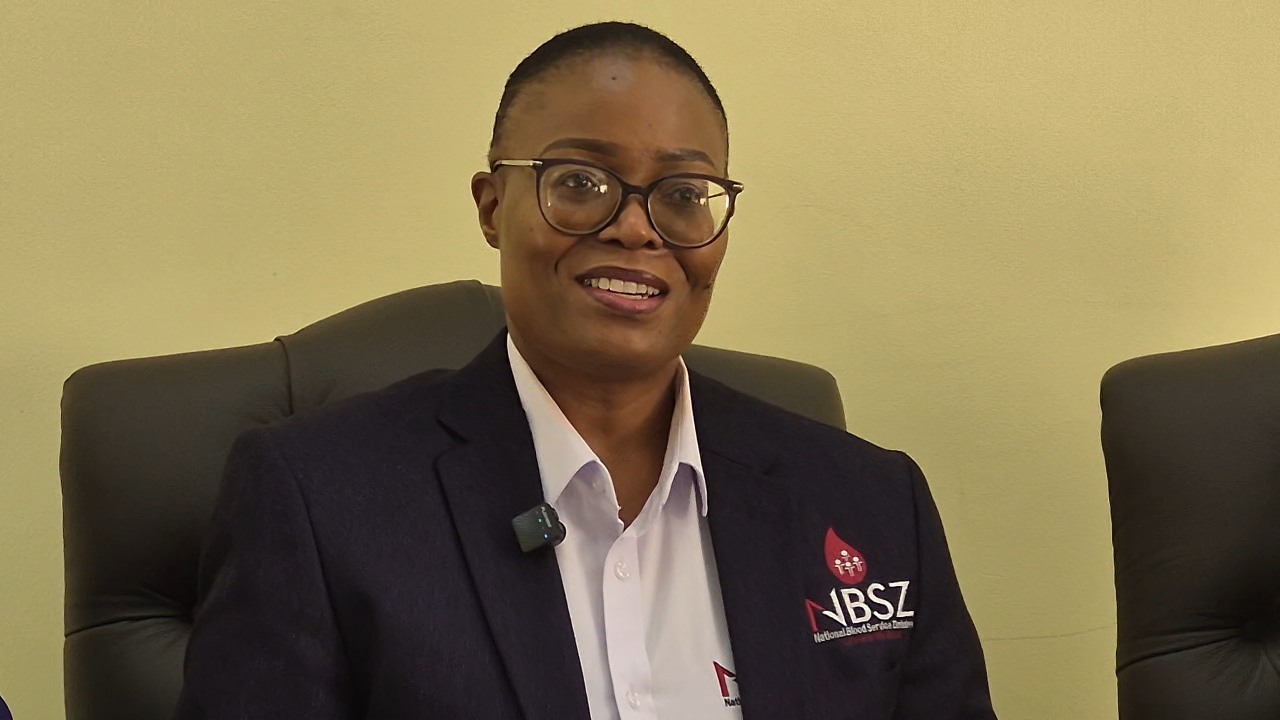
In an interview with HealthTimes, NBSZ Blood Supply Executive Menard Mutenherwa confirmed the crisis and appealed to both new and regular blood donors to come forward and donate.
“We are experiencing shortages across the country and these shortages cut across all blood types, with stocks critically low at the moment,” said Mutenherwa.
Earlier this week, Mutenherwa attributed the blood shortages to sustained demand driven by maternal health needs, as blood and blood products are provided free of charge to women giving birth, as well as road traffic accidents, chronic illnesses and emergency surgeries. At the same time, blood donation levels tend to fluctuate due to seasonal factors, making proactive donation drives essential to maintaining adequate and safe blood supplies.
“The blood supply is a moving target. While stock is replenished throughout the day, at any given snapshot we remain critically low, which is why we are appealing to the public,” he added.
To be eligible to donate blood in Zimbabwe, individuals must be aged 16 years or older, weigh at least 50 kilograms and be in general good health. A single unit of donated whole blood can save up to three lives, but blood has a short shelf life, making regular donors essential to securing a consistent supply.
With support from Redan, NBSZ is providing fuel coupons to improve donor accessibility. The organisation also offers transport within a five kilometre radius using NBSZ vehicles for groups of donors travelling to donation sites.
“Saving lives is a collective effort that cuts across sectors. Partnerships like these significantly strengthen our ability to meet national blood requirements, and we encourage other private sector organisations to come forward and partner with NBSZ in this life saving cause,” said Mutenherwa.