Kuda Pembere
More than 1,000 children under the age of five present with malnutrition at clinics run by the Harare City Council each year, according to Jacob Mafume.
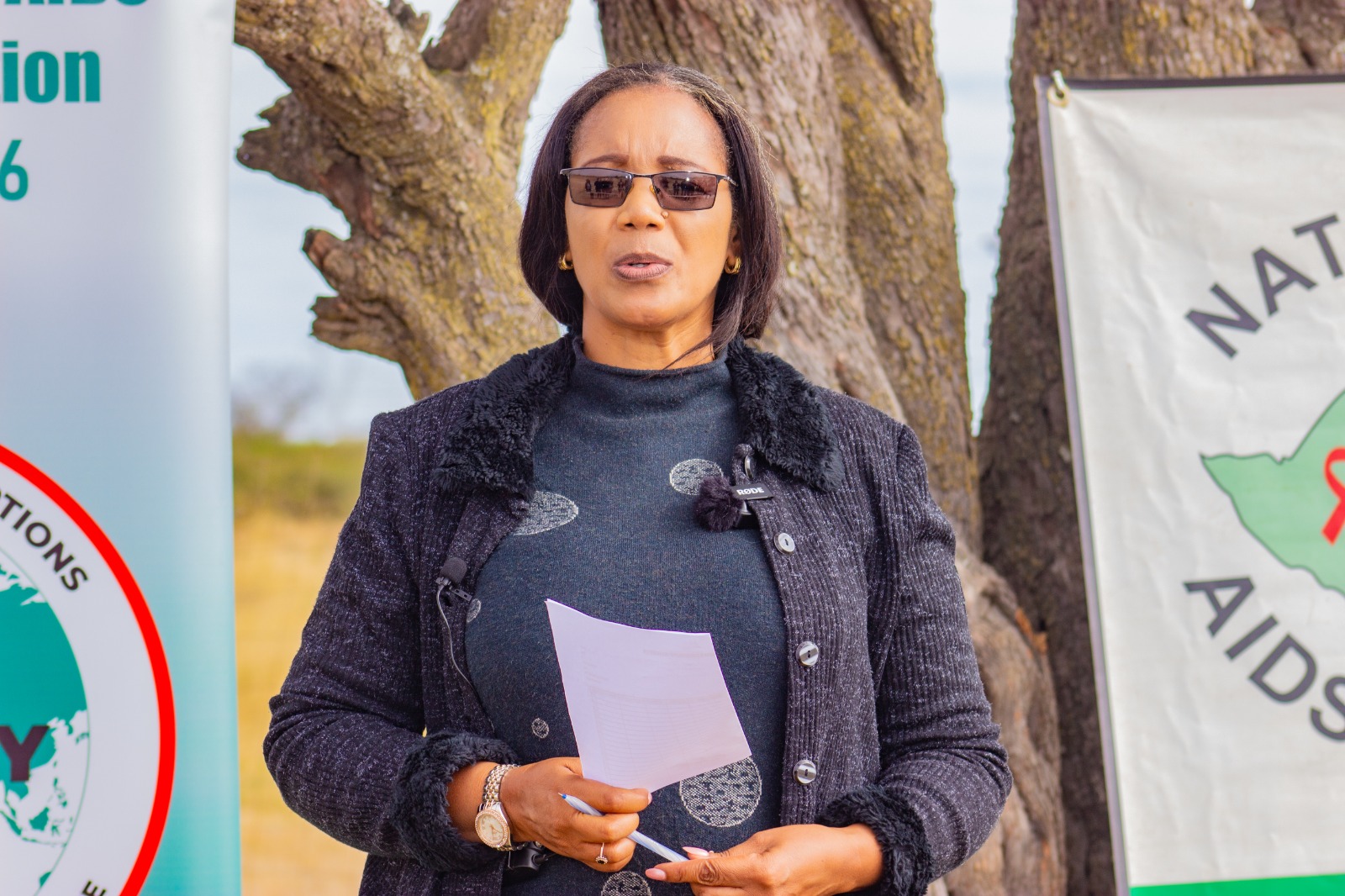
Mayor Mafume revealed this on Friday during the launch of a parenting mobile application, Rera-Umtwana (Nurture A Child). He noted that most cases are recorded in peri-urban communities.
“Harare is also not spared from the burden of malnutrition in all its forms. Each year, more than 1,000 children under the age of five with undernutrition are managed in our clinics, with the highest numbers coming from peri-urban communities,” said Mayor Mafume.
“Micronutrient deficiencies, particularly Vitamin A and iron deficiency, continue to affect children, adolescents, and women of childbearing age.”
The mayor added that the city is also experiencing rising cases of obesity and overweight among both adults and children.
“At the same time, we are witnessing increasing levels of overweight and obesity among both children and adults, as highlighted in the latest Zimbabwe Demographic and Health Survey. This triple burden of malnutrition presents a complex public health challenge that requires innovative solutions,” Mayor Mafume added.
Michael Vere from the Harare City Health Department said the more than 1,000 cases are being successfully managed through early intervention programmes.
“In addition, more than 1,000 children with uncomplicated malnutrition were successfully managed at our health facility, reflecting our continued focus on early detection and timely intervention.
“And it’s noteworthy that this application that you’re presenting to us has helped us even further in managing malnutrition cases in Harare since it provides us with information on malnutrition,” Dr Vere said. “We recognise that providing services alone is not enough. In today’s fast-moving digital world, families are constantly being exposed to a vast amount of information and some of the information might not be very accurate.
“There’s a lot of information that might see by internet, but some of it is not correct. So this app is meant to streamline some of those issues. As public health leaders, we have a responsibility to give you that accurate information and reliable, practical information so that parents and caregivers can use.”
UNICEF representative to Zimbabwe, Etona Ekole, expressed concern over high levels of child food poverty in the country.
“The earliest years of life, particularly the first 1,000 days, shape a child’s lifelong health, learning, and potential. What happens during this time matters deeply. When children lack proper nutrition, nurturing care, safety, and early stimulation, the effects are not temporary; they can last a lifetime,” she said. “In Zimbabwe, too many children are starting life at a disadvantage. Over 76 percent of children under five live in food poverty, unable to access a diet that meets their basic nutritional needs. As a result, more than a quarter of children under five are stunted, meaning their growth, learning, and future potential are already being limited. Behind these numbers are real children, real families, and real hopes for a better tomorrow.”
Deputy Minister of Health and Child Care, Sleiman Kwidini, called on the Ministry of Finance to establish a Child Nutrition Fund to support child development initiatives.
“I know that most of you parents want to feed your children when you are hungry ignorant of the fact that children I also call upon the Ministry of Finance to consider establishing a Child Nutrition Fund to sustain this and other related child development initiatives.
“To parents and guardians, let this system of feeding children when you are hungry. We see this Child Nutrition Fund coming in handy to help the feeding of children at appropriate times. We know that as parents and guardians, you may feel hungry at later times unlike children. That is why there is the School Feeding Program and it comes in to cover children who leave their homes going to school hungry,” Hon. Kwidini said.
According to Dr Vere, Harare is home to approximately 2 million people, including residents of peri-urban settlements and visitors.