Michael Gwarisa
Vaccines are temperature-sensitive biological products, and even small changes in temperature during storage or transport can significantly reduce their safety and effectiveness. While all vaccines are sensitive to heat, some can also be damaged by freezing or exposure to light. To ensure potency throughout the immunisation supply chain, the World Health Organization (WHO) has established clear temperature guidelines for vaccine storage and handling. Most vaccines must be kept within a recommended range of +2°C to +8°C from the national level through to health facilities and community points of care.
The system used to maintain this safe temperature range from production to administration is called the cold chain. Maintaining the cold chain helps prevent heat or freeze damage, which can compromise the ability of vaccines to build and sustain immunity in recipients. Continuous monitoring and careful handling are essential at every stage.
Why Vaccine Temperature Matters
Vaccines contain biologically active components that can deteriorate outside the correct temperature range, even if vials look intact. If vaccines are stored above the recommended range of +2°C to +8°C, their effectiveness can rapidly diminish. Conversely, freezing can denature proteins and destroy adjuvants (substances that enhance immune response). This means that a vaccine that appears safe may not provide adequate protection if its cold chain has been compromised.
When vaccines lose potency due to incorrect temperature exposure, the result can be reduced immunity in individuals who receive them, potentially leading to disease outbreaks in vaccinated communities. In addition to health risks, vaccine loss also represents wasted resources and undermines confidence in immunisation programmes.
Heat-Sensitive Vaccines
Some vaccines are particularly sensitive to heat and must be closely monitored within the safe temperature range. These include the Oral Polio Vaccine (OPV) and vaccines for Measles, Mumps and Rubella (MMR), Rotavirus, and BCG after reconstitution. For these vaccines, exposure above +8°C accelerates chemical breakdown and shortens shelf-life, with damage that cannot be reversed.
Studies have shown that repeated exposure to temperatures above the recommended range has a cumulative negative effect on vaccine potency. Although some vaccines can tolerate brief temperature spikes better than others, prolonged or repeated excursions outside the safe range increases the risk of reduced immunogenicity and wasted vaccine doses.
Freeze-Sensitive Vaccines
Certain vaccines are also sensitive to freezing. These include Diphtheria, Pertussis and Tetanus-containing vaccines (DTP), Hepatitis B, and Haemophilus influenzae type b vaccines. Freezing these vaccines can cause separation of components and irreversible protein damage, making them ineffective. If freezing is suspected, affected vials should be clearly marked and not used.
A single freeze-thaw cycle can be more harmful to some vaccines than brief heat exposure, especially for freeze-sensitive products. Healthcare workers should always monitor storage units and handle vaccines carefully to avoid exposing them to temperatures below 0°C.
Moderately Heat-Sensitive Vaccines
Other vaccines, such as Inactivated Polio Vaccine (IPV), Hepatitis B, and Hib (Haemophilus influenzae type b) vaccines, are moderately sensitive to heat. These vaccines still require strict temperature control between +2°C and +8°C. Reconstituted live vaccines are particularly vulnerable and should be used promptly after preparation. Monitoring tools like Vaccine Vial Monitors (VVMs) can help health workers assess whether a vaccine has been exposed to excessive heat and should be discarded.
What Is a Cold Chain Breach
A cold chain breach occurs when vaccines are exposed to temperatures outside the recommended range. This can happen during transport, power outages, refrigerator malfunctions, or improper storage practices. Since most vaccine damage is invisible to the naked eye, any breach should trigger an assessment and, where necessary, safe disposal of affected doses to prevent ineffective immunisation. Improper handling not only risks disease outbreaks but also wastes costly vaccine supplies.
WHO Measures to Address Cold Chain Challenges
Maintaining an uninterrupted cold chain can be especially difficult in settings with high ambient temperatures, unreliable electricity, or long transport distances. To address these challenges, WHO introduced the Controlled Temperature Chain (CTC) approach. This strategy allows certain vaccines, under strictly defined conditions, to be kept at temperatures above the traditional +2°C to +8°C range for a limited period immediately before administration, provided they have demonstrated stability at higher temperatures in controlled testing.
WHO’s technical guidance on temperature handling includes criteria for evaluating vaccine stability and conditions under which extended temperature exposures are acceptable without compromising safety and effectiveness. This support is particularly useful for reaching remote or underserved populations where maintaining a traditional cold chain may not always be feasible.
References to Zimbabwe’s Immunisation Program
Zimbabwe continues to expand its vaccination programmes, including the recent introduction of a single-dose Human Papillomavirus (HPV) vaccine into routine child immunisation. This change from a two-dose schedule aims to improve coverage and prevent cervical cancer, which remains a leading cause of cancer deaths among women in the country. Zimbabwe’s Ministry of Health and partners, including UNICEF, support this shift as an important public health milestone.
The HPV vaccine, like other vaccines used in routine immunisation, must also be stored within the correct temperature range to ensure maximum effectiveness and long-term protection against disease.
Frequently Asked Questions (FAQ)
What is the correct temperature range for storing vaccines?
Most vaccines should be stored between +2°C and +8°C from the point of distribution to administration. This range helps preserve their biological integrity and effectiveness.
How often should vaccine temperatures be checked at health facilities?
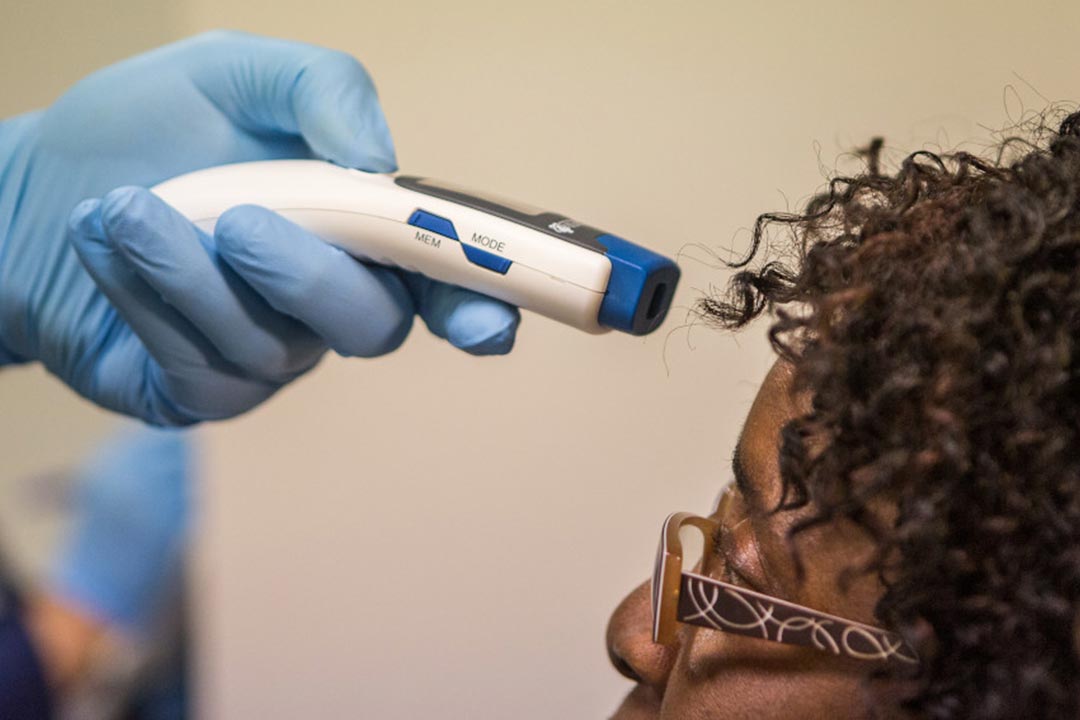
Temperatures should be monitored twice daily, and systems like data loggers or VVMs should be used to detect any excursions outside the safe range.
What happens if a vaccine is accidentally frozen?
Freezing can irreversibly damage many vaccines, especially freeze-sensitive ones. Vials suspected of freezing should be marked, set aside, and assessed according to national policies.
Can all vaccines tolerate brief temperature fluctuations?
While some vaccines may withstand short temperature spikes without immediate damage, repeated or prolonged excursions outside the +2°C to +8°C range can reduce their potency.
Why is correct vaccine storage important for public health?
Proper storage ensures vaccinated individuals receive full protection. If vaccines lose potency, people may remain susceptible to disease despite being vaccinated, weakening immunisation programmes and public confidence.