Michael Gwarisa
In 1985, Zimbabwe recorded its first confirmed case of HIV, marking the start of a national epidemic. By the mid-1980s, cases were rising rapidly, particularly in Hurungwe District, where formal surveillance began in 1986. By the end of the decade, nearly 10 percent of Zimbabwe’s adult population had already been infected.
Nearly four decades later, Zimbabwe’s HIV response reflects both the devastating impact of the epidemic and one of the most sustained public health turnarounds in the region. A study published in the National Library of Medicine, titled Pattern of HIV Infection in Hurungwe District, Mashonaland West, Zimbabwe, shows that hospital surveillance data recorded 19 symptomatic HIV cases in 1986, rising sharply to 290 cases in 1987. These figures highlight how quickly the epidemic escalated even before comprehensive national reporting systems were in place.
As the 1990s began, new HIV infections surged, particularly in the first half of the decade. National prevalence peaked and stabilized at approximately 29 percent between 1995 and 1997. Adult mortality linked to HIV reached its highest levels during the 1990s, before beginning to stabilize around 2000.
A major turning point came in 2004 when Zimbabwe expanded access to antiretroviral therapy through public health institutions. By 2016, updated national guidelines introduced a “Treat All” policy, allowing people diagnosed with HIV to start treatment immediately, regardless of CD4 count or disease stage. According to Dr. Owen Mugurungi, Director of the TB, AIDS and Malaria Unit in the Ministry of Health and Child Care, these policy shifts fundamentally reshaped the national HIV response and laid the foundation for today’s gains.
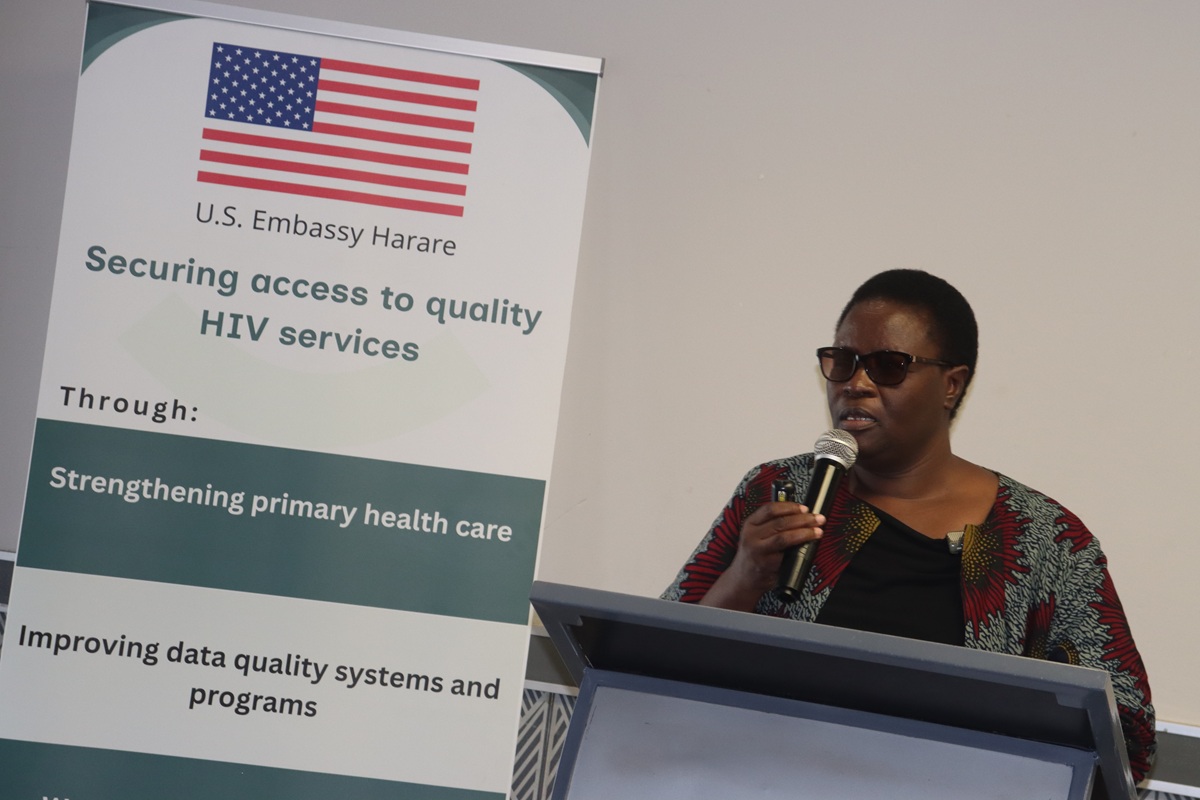
“I want to highlight that together, we have worked for the past two and a half decades to reach our targets, the 95-95-95 goals,” said Dr. Mugurungi.
Zimbabwe is now recognized as one of the few countries in the region to have achieved the UNAIDS 95-95-95 targets ahead of the 2030 deadline, a milestone attributed to sustained investment in treatment access, community outreach, and evidence-based policy.
While the country celebrates these achievements, it is essential to examine current realities.
Current HIV Landscape in Zimbabwe
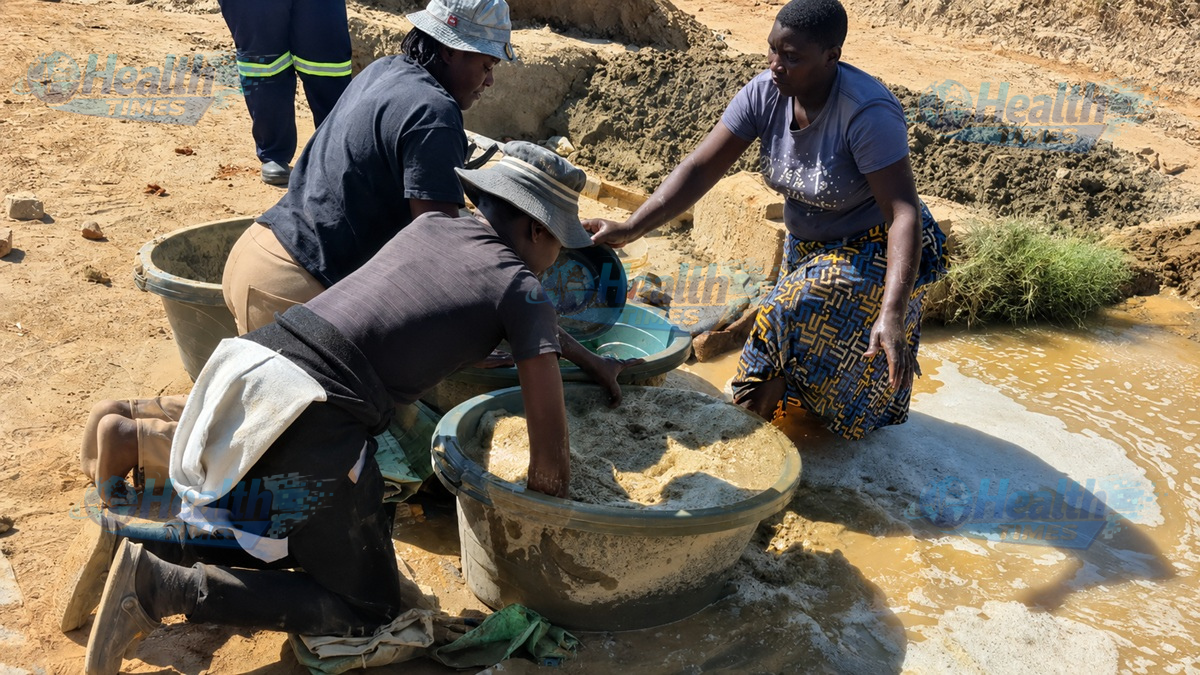
Zimbabwe’s HIV epidemic remains geographically uneven. The highest incidence and prevalence are concentrated in south-western districts, particularly along border and mining corridors. Mangwe District reports the highest prevalence, while parts of Matabeleland South and the Midlands continue to record elevated incidence rates. However, incidence does not always correspond to burden. Harare contributes 13 percent of all people living with HIV, reflecting population density and urban transmission dynamics rather than exceptionally high infection rates alone.
Treatment coverage shows progress alongside persistent gaps. Antiretroviral therapy (ART) coverage is generally high, yet disparities remain. Just 10 of Zimbabwe’s 63 districts account for nearly 60 percent of people living with HIV who are not on ART. Harare alone represents a quarter of those not receiving treatment.
In 2024, an estimated 14,975 new HIV infections were recorded nationwide. Women and girls bear the greatest burden, accounting for 60 percent of new infections. Children aged 0 to 14 years represent 23 percent, while adolescent girls and young women aged 15 to 24 make up 22 percent. These figures underline the need for targeted, district-level interventions that close urban treatment gaps and protect the most vulnerable populations.
Achieving Epidemic Control
Zimbabwe’s HIV epidemic has shifted dramatically over four decades. New infections peaked at around 240,000 in the early 1990s before steadily declining to below 30,000 by 2022. AIDS-related deaths followed a similar trajectory, peaking in the early 2000s before falling sharply due to expanded treatment access.
This progress is reflected in the country’s performance toward the UNAIDS 95-95-95 targets. Ninety-five percent of people living with HIV know their status, 98 percent of those diagnosed are on ART, and 96 percent have achieved viral suppression. Gaps remain among children aged 0–14, where only 63 percent know their status and 88 percent are virally suppressed, highlighting ongoing challenges in pediatric detection and treatment.
“HIV estimates show that as of 2023, 1.3 million people are living with HIV, 60 percent of whom are female. Progress has not been uniform, with men and children lagging,” noted Dr. Mugurungi. Targeted interventions remain essential to address these disparities and sustain progress.
HIV Funding and Sustainability
Zimbabwe’s HIV response has traditionally relied heavily on external funding, though focus is shifting toward mobilizing domestic resources. The National AIDS Trust Fund, known as the AIDS Levy and administered by the National AIDS Council (NAC), generated US$60 million in 2025 but left a US$140 million funding gap.
Following the suspension of some foreign aid, the United States Department of State, through the President’s Emergency Plan for AIDS Relief (PEPFAR), launched a US$65.1 million support fund in 2025. Known as The Bridge Plan, this six-month facility is renewable if Zimbabwe meets new U.S. Government funding requirements.
Other contributors include United Nations partners, bilateral and multilateral arrangements, private sector support, and government partnerships. Strengthening domestic funding will be critical for sustainability, particularly as Zimbabwe seeks to maintain high treatment coverage and expand prevention initiatives.
The Road Ahead
Zimbabwe’s fight against HIV demonstrates remarkable public health achievement. From near-catastrophic prevalence in the 1990s to meeting global epidemic control targets today, the country has shown that sustained investment, evidence-based policy, and community engagement can turn the tide of even the most challenging epidemics.
However, persistent gaps—particularly among children, adolescent girls, and urban populations—highlight that the work is far from over. Targeted interventions, robust funding, and continued monitoring are essential to consolidate gains and protect future generations.