Michael Gwarisa
The Ministry of Health and Child Care (MoHCC) has convened its first consultative meeting with healthcare industry stakeholders to begin developing a Statutory Instrument (SI) to regulate healthcare advertising in Zimbabwe.
The meeting brought together a wide range of players from across the healthcare sector, including professional associations representing medical, dental, nursing, pharmaceutical, laboratory, environmental health, rehabilitation, chiropractic, biokinetics, occupational therapy and physiotherapy disciplines, as well as private practitioners.
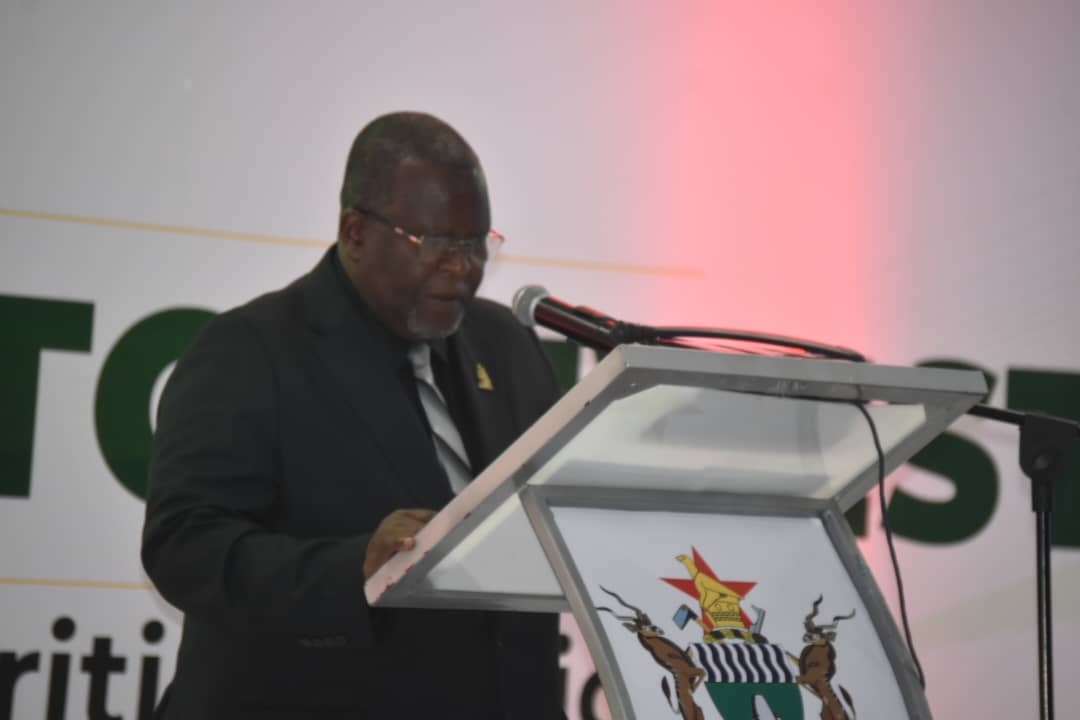
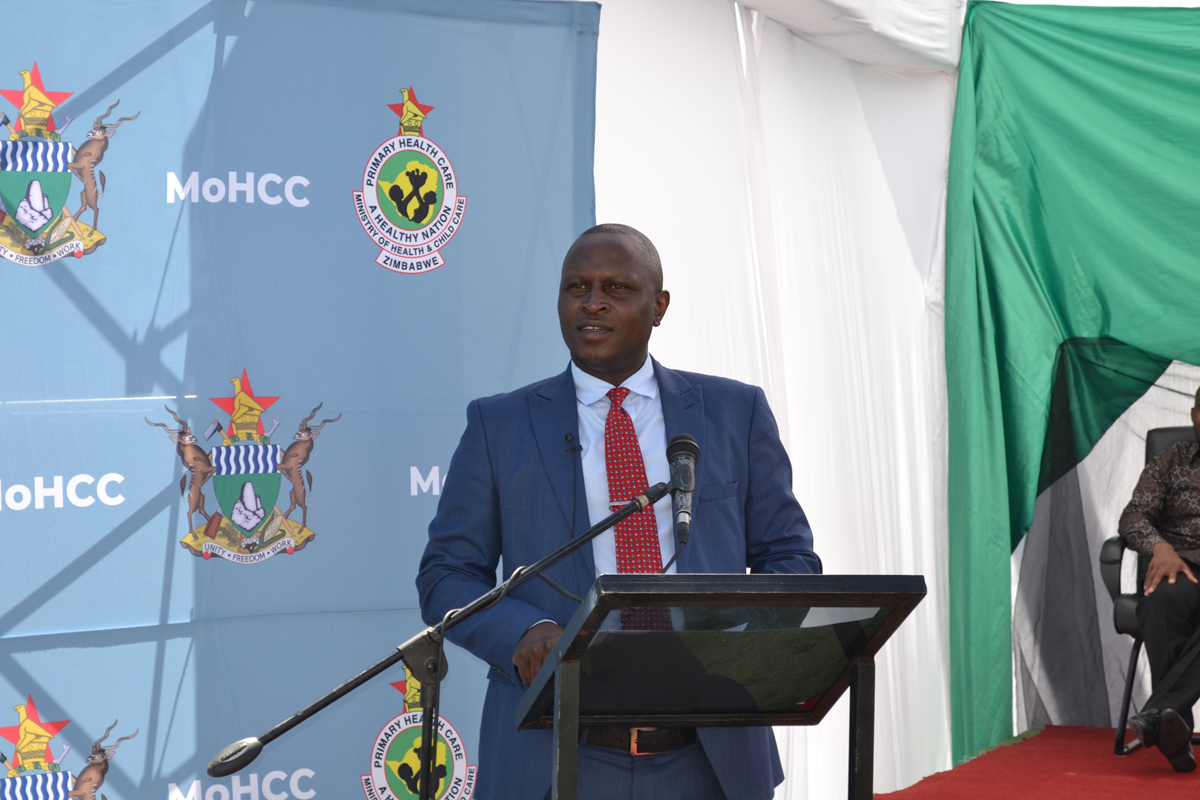
Speaking on behalf of the MoHCC Permanent Secretary, Dr Aspect Maunganidze, the Ministry’s Chied Director of Policy and Planning, Dr Stephen Banda, said the development of an SI to regulate healthcare advertising was both timely and necessary.
“The development of this Statutory Instrument is therefore both timely and necessary,” said Dr Banda. “We are operating in an era of rapid technological advancement, digital marketing, cross-border services and increasing consumer awareness. The absence of clear and harmonised standards can lead to inconsistency, regulatory gaps and potential harm to the public.”
Dr Banda said the objective of the meeting was to gather expert input to ensure that the proposed SI aligns with existing health legislation and regulatory mandates, upholds professional ethics and standards of practice, promotes truthful, responsible and evidence-based advertising, protects the public from misleading claims, and provides clarity and enforceability for both regulators and practitioners.
“This is a consultative process. Your insights, practical experiences and sector-specific concerns are critical to producing a balanced, workable and legally sound instrument. We encourage open, constructive and solution-oriented engagement,” he said.
He added that once the process is complete, Zimbabwe will be better positioned to implement a regulatory framework that strengthens public trust, enhances professional accountability and ensures that healthcare advertising is conducted with integrity, transparency and respect for the law.
Speaking to HealthTimes on the sidelines of the meeting, Healthcare Professions Authority (HPA) Secretary General, Mrs Clotilda Chimbwanda, said the consultative engagement on healthcare advertising marked a significant milestone for the sector.
“This meeting was essentially about how health information can be disseminated to the public,” said Mrs Chimbwanda. “There is a gap when it comes to members of the public knowing where they can access specific healthcare services and who provides them within our borders. Addressing this gap is important, but it must be done within clearly defined parameters.”
Among the key issues raised during the discussions were the use of billboards, electronic and digital advertising platforms, and the ethical considerations surrounding the promotion of medical services in healthcare advertising.
The President of the Medical and Dental Private Practitioners Association of Zimbabwe (MDPPZA), Dr Johannes Marisa, described the meeting as progressive and a step in the right direction.
“I am very excited because we are moving with the times in terms of healthcare advertising,” said Dr Marisa. “As a country, we have been lagging behind in the advertising of medical services. This has resulted in significant losses, with people spending millions of dollars seeking treatment outside the country when some of these services are available locally.”