Michael Gwarisa
In cities like Harare, climate crises such as extreme heat and flooding are not just headlines or weather reports; they are a direct theft of a woman’s power to decide her own future. When the floods surge, they do not just wash away roads; they shatter the promise of a safe journey into motherhood, putting the lives of pregnant women and their babies on the line.
For women in these communities, the destruction of the land is a violation felt deep within their own bodies.
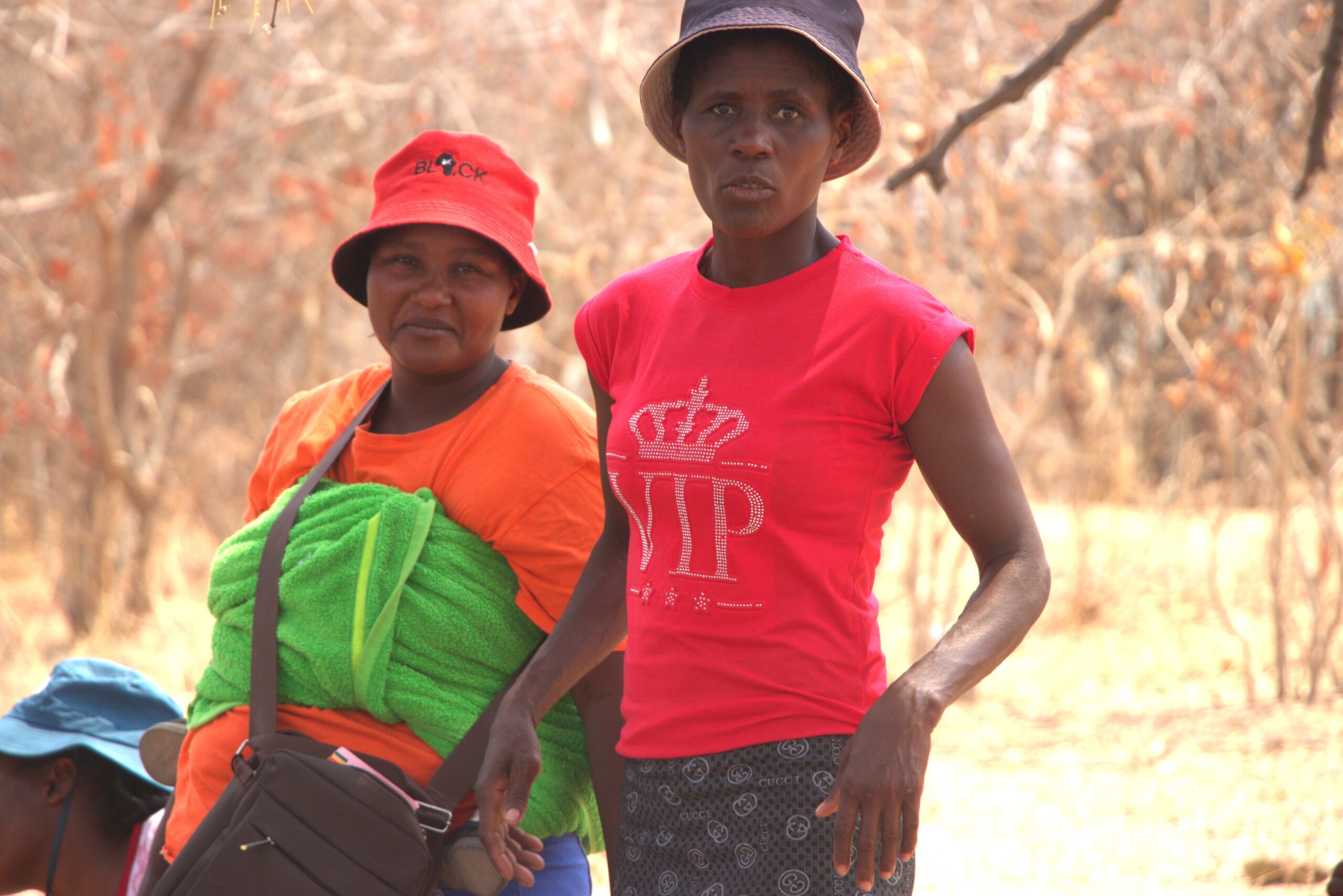
In neighbourhoods like Epworth and Hopley, rising waters bring the terrifying threat of losing a pregnancy or giving birth too soon. For teenage mothers, these floods create literal walls of mud that block the path to the hospital, a heartbreaking failure of a world that should be protecting their health and their right to write their own stories.
These conditions are severely exacerbated by the fact that many women live in poorly constructed tin houses that are not properly insulated, floored, or waterproofed, which compounds the risk posed by floods and extreme heat.
These floods strip away any mask of fairness, showing us a healthcare system that too often forgets to put the dignity and needs of women first.
Finding emergency care for a newborn during a flood can take twice as long as usual. These aren’t just traffic delays; they are deep failures that make life-saving help feel a world away, threatening the safety of every mother in the flood zone.
When water pipes crumble, and prenatal check-ups are missed, it shows how little the system values a mother’s life. Beyond the physical danger, the constant fear of the next disaster is a heavy weight women must carry alone as they struggle to keep their families safe through the storm.
The numbers tell a painful story: pregnant women in these areas are 25% less likely to get the prenatal care they need and 40% more likely to wait until the last minute to seek help because the obstacles in their way are so high.
Behind these percentages are real stories of fear and sickness caused by a world that has turned its back on them.
The hidden cost of the crisis
Environmental disasters hit women hardest because we are the ones holding our communities together through the exhausting, unpaid work of caring for everyone else.
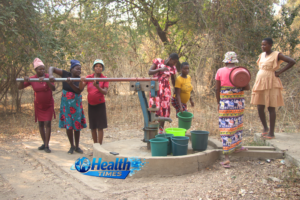
As families lose everything to medical bills and lost work, the trauma beneath it all creates a crisis that won’t be fixed with Band-Aids—it requires us to tear down and rebuild the system from the ground up. Climate change negatively affects daily lives by posing challenges including lack of access to clean water, sanitation and healthcare facilities. Direct costs such as lost productivity and healthcare expenses are incurred during floods. With most pregnant and lactating women, particularly teenage mothers relying largely on the informal sector, vending and doing part-time jobs, finding these jobs and navigating the roads becomes impossible with the floods. Indirect costs such as loss of infrastructure can also be noted. The Epworth and Hopely landscape largely comprises of temporary structures that are easily damaged by too much rain, clogging of the soil and storms. This is the reality of pregnant women living in flood prone areas of Harare. For pregnant teenagers living alone, vulnerability increases and so is the loss of dignity. Undocumented cases of sexual abuse are not uncommon during floods.
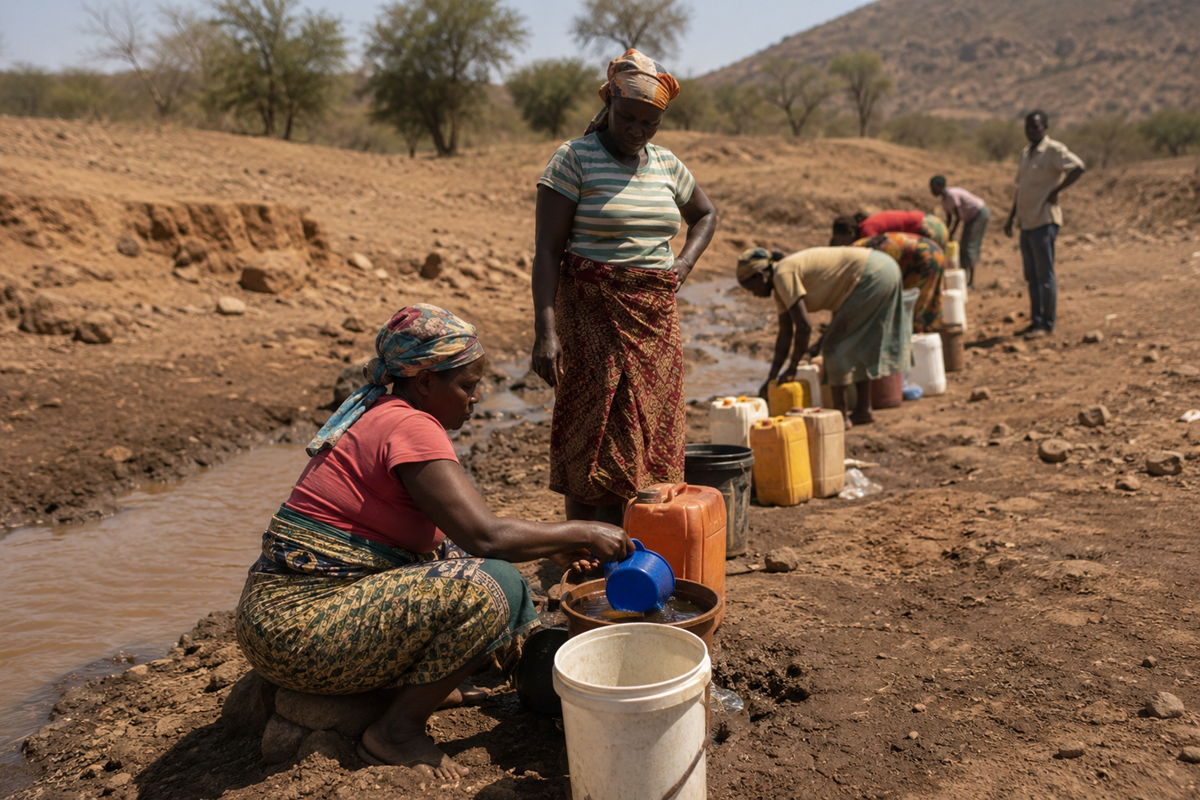
Climate change results in such intangible costs, psychosocial trauma and reduced quality of life. In search of safe drinking water, pregnant women are faced with increased walking distance, failure to do so leading to the consumption of contaminated water. The question of mobility during pregnancy remains. Prolonged loss of productivity in Epworth poses the threat to hunger and starvation, malnutrition of babies and increased infant mortality rates which go undocumented. For a pregnant woman in Hopely, grief during floods is twice as detrimental to her mental health as closure is not given. Climate change exhausts time, resources and negatively impacts the lives of women, hence the nexus between climate change and maternal health is clear.
We can only truly survive when we put a mother’s safety and her right to her own body at the very heart of the fight for our planet.
We must demand warning systems that reach every doorstep, clinics that can stand up to the rain, and a world where women lead the way while getting the mental health support they deserve.
This is the only way to make sure women can stay healthy and safe, no matter what the environment throws at them.
Our Voices, Our Power: The Purple Door Program
In Epworth and Hopley, women aren’t just surviving the climate crisis; they are taking charge and leading the way forward.
The Purple Door program, started by the RhoNaFlo Foundation, is a place where young mothers can find safety, regain their dignity, and find strength in each other.
This work breaks the silence and the shame that so often follow teenage pregnancy, creating a safe space where women take back the power to heal on their own terms.
Rumbidzai, a brave 25-year-old mother from Epworth, puts it simply:
“Now I know how to care for myself and my child without feeling ashamed.”
This move from being alone to being part of a sisterhood is the difference between just surviving and truly living.
By integrating mental health care with practical parenting skills and a fierce network of sisterhood, these spaces transform individual survival into collective power.
In Hopley, women look out for one another during risky pregnancies, turning every roadblock into a chance to support a sister in need.
“When the waters rise, we are the ones who make sure no sister is left behind,” says Nyasha, a young mother from Hopley.
This work is raising a new generation of leaders—young women who know they are worthy and aren’t afraid to shout for the rights and help they deserve.
“We are learning to speak up and demand the care we deserve. We won’t accept being silenced by doctors or the environment anymore,” explains Chipo, a participant from Epworth.
In flood-prone areas like Epworth, pregnant teenage girls face unimaginable challenges. Heavy rains and floods make it difficult for them to access healthcare facilities, increasing the risk of pregnancy complications and maternal mortality. 17-year-old Precious, a pregnant teen from Epworth said,
“When the floods come, I fear for my baby’s life, Sometimes the water is so high that I can’t even get to the clinic, and I worry that I’ll give birth in the middle of the flood.”
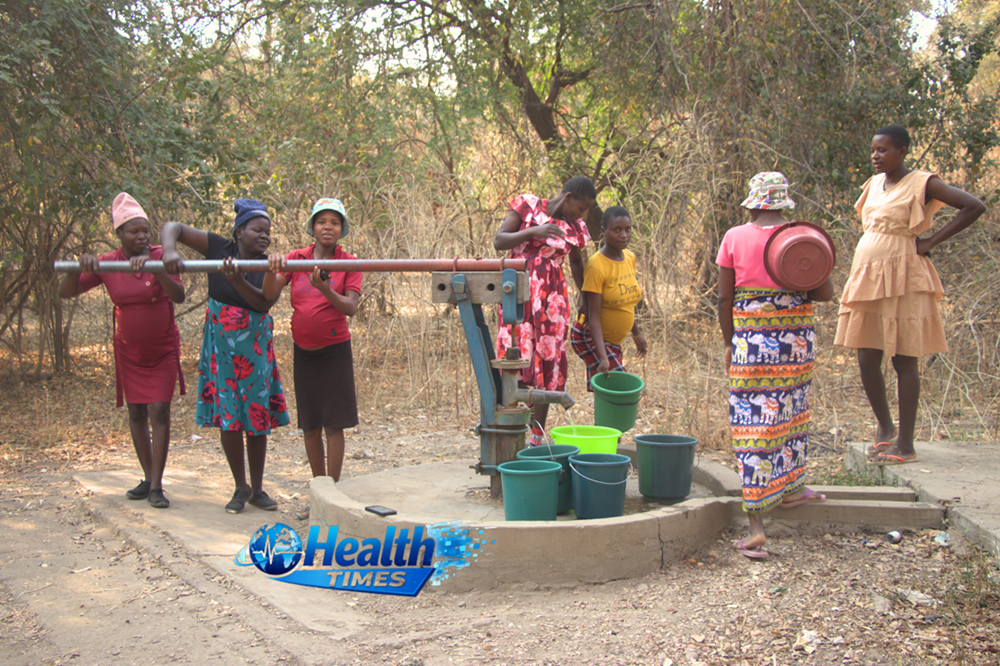
The lack of clean water during and post-flood periods also take a toll on pregnant teens’ health. Malnutrition, dehydration, and stress are common, exacerbating pregnancy risks.
“The hunger felt during pregnancy is unbearable if you don’t have enough food and I often feel dizzy and weak,”
says 15-year-old Tadiwa, a pregnant teen from Hopley.
“I know I need to eat well and stay hydrated, but it’s hard when there’s no clean water, and food is scarce. I worry about my baby’s health and mine. I struggle to work during heavy rains and I get headaches just thinking of what I will give to my baby once she’s born.”
Climate change is a terrifying threat, but the incredible leadership of women in Zimbabwe shows us the way toward a world where every mother gets the care and justice she deserves. Here’s the urgent truth: we can’t afford to reinvent the wheel. We must utilize the already existing community systems, the networks of women who have been holding their communities together for generations, the Purple Door Program. We must support and amplify the response against climate change in financially disadvantaged and vulnerable communities like Epworth, where the consequences of inaction are dire and deadly. These communities are not demanding handouts; they are asking for justice, asking that their lives be valued, and that their resilience be matched with resources. The reality is stark, and for every dollar invested in climate resilience, communities like Epworth save countless lives, prevent untold suffering, and build a future that is worth living. This is the time to act with solidarity, and to act with the understanding that their struggle is real, and their survival is dependent on our collective intervention strategies.
References
1. Care International UK. (2023). Floods in Zimbabwe: 5,000 women and girls at risk. Available at: https://www.careinternational.org.uk/stories/floods-zimbabwe-5000-women-and-girls-risk [Accessed 31 March 2026].
2. Gavi. (2024). How climate change is affecting mothers and babies. Available at: https://www.gavi.org/vaccineswork/how-climate-change-affecting-mothers-and-babies [Accessed 31 March 2026].
3. Reliefweb. (2024). Africa: Extreme weather disrupts health services, putting millions at risk. Available at: https://reliefweb.int/report/world/africa-extreme-weather-disrupts-health-services-and-puts-millions-risk [Accessed 31 March 2026].
4. World Health Organisation. (2024). Maternal mortality rate: Zimbabwe. Available at: https://www.who.int/countries/zwe [Accessed 31 March 2026].