Michael Gwarisa
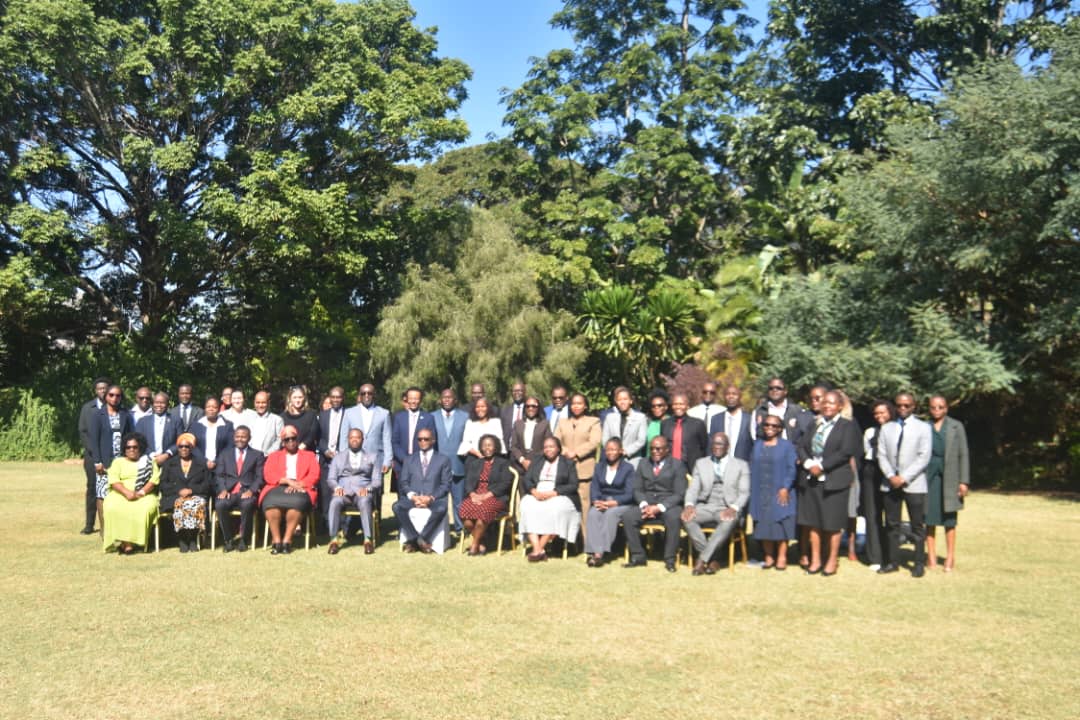
The Organization for Public Health Interventions and Development (OPHID) Executive Director, Dr. Tinashe T. Chinyanga, has joined the Ministry of Health and Child Care (MOHCC), development partners, stakeholders, and the global community in marking World TB Day 2026.
Aligned with this year’s global theme, “Yes! We Can End TB: Led by Countries, Powered by People,” OPHID underscores the vital role of community-driven solutions in the pursuit of a TB-free Zimbabwe, particularly amid declining donor support.
For over 25 years, OPHID has been a steadfast local partner to the Zimbabwean government, bridging gaps in national health responses. Through its programs, OPHID continues to influence policy and implement interventions that save lives, with a focus on Tuberculosis (TB) prevention, detection, and treatment adherence.
Recognizing that TB remains the leading cause of death among people living with HIV (PLHIV), OPHID has pioneered the integration of TB and HIV services into primary healthcare. This approach ensures that no patient must navigate multiple clinics or wait in separate queues for care. By embedding TB and HIV services within primary healthcare, OPHID promotes efficient, person-centered care that improves clinical outcomes while respecting the dignity and time of clients.
OPHID continues to drive progress through the adoption of cutting-edge innovations. The organization has supported the scale-up of WHO-recommended rapid molecular tests and digital chest X-rays, significantly reducing the turnaround time for diagnosis. The rollout of the Boost App and digital patient charts has empowered community health workers and nurses with real-time data and job aids, ensuring that no patient ‘falls through the cracks’ of the care continuum. By empowering local communities and TB survivors to monitor service quality, OPHID has fostered a culture of accountability that ensures services remain accessible, affordable, and stigma-free. Additionally, significant strides have been made in improving TB screening for children, ensuring that the youngest and most vulnerable members of society receive the child-friendly treatments they deserve.
Despite the global milestone of over 83 million lives saved since 2000, Zimbabwe continues to face a high TB burden. OPHID calls on government, private sector, and civil society stakeholders to accelerate and sustain efforts to end TB by 2030.
“Led by our national strategies and powered by the resilience of our people, Yes! We can end TB,” said Dr. Chinyanga.