Michael Gwarisa
Despite a multimillion-dollar pledge made by the Government of Zimbabwe at the International Conference on Family Planning in Bogotá, Colombia, where Health and Child Care Minister Dr Douglas Mombeshora announced an additional US$2.25 million per year for contraceptive procurement in 2026 and 2027, the country’s Family Planning Council (ZNFPC) is struggling to make ends meet.
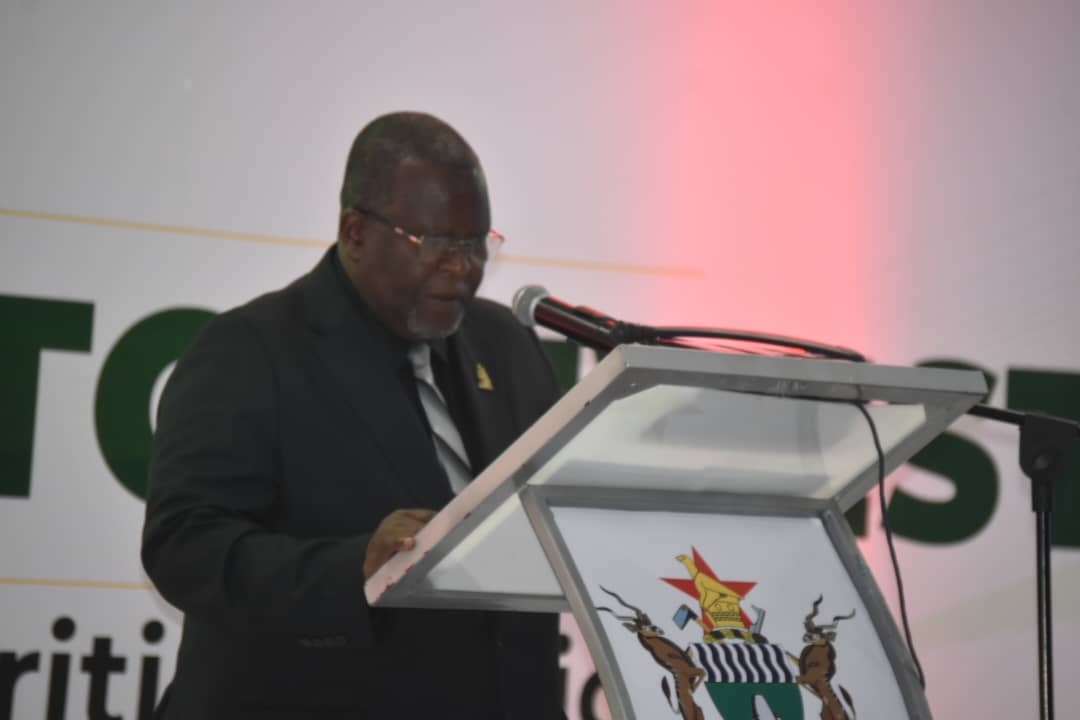
Briefing a Parliamentary Thematic Committee on HIV and AIDS, Mr Farai Machinga, the ZNFPC Chief Executive Officer, said the organisation was operating from hand-to-mouth, leaving them unable to sustain some services nor reach the whole country with services anymore.
“As ZNFPC, we will not cover all the points around the country because of our constraints,” said Machinga.
“We don’t have service vehicles as Zimbabwe National Family Planning Council (ZNFPC). With regards to the operational grants, in 2025 we received ZiG 0 for the whole year. In 2024 we received ZiG 100k to share for all 10 provinces. In 2026, we haven’t received anything since January to date.”
Even though there were notable budgetary allocations between 2020 and 2-26, actual disbursements remain significantly lower, with some years showing minimal or zero funds received. For instance, operational funding improved slightly between 2021 and 2023, peaking at 83% of allocation received, but sharply declined thereafter, dropping to 23% in 2024 and completely to 0% in 2025 and 2026.
Capital grants show an even more erratic trend, with full disbursement only recorded in 2021, while all other years reflect either no funding or unfulfilled allocations. This mismatch between budgeted and received funds underscores the financial instability facing ZNFPC, reinforcing concerns about its ability to sustain operations and effectively deliver family planning services nationwide.
Machinga added that Matabeleland North now only has one broken-down truck, where the driver spends most of his time outside the truck instead of inside due to incessant breakdowns.
“If we are going to talk of viable means, I need mobile clinics. I don’t even have a single caravan, but through our partnership and collaboration with stakeholders, this is how I am reaching out to the communities and relevant constituencies. If I am able to get the allocation from the Treasury, I will be sure that the little I get I can then implement the programs.”
Since 2022, Zimbabwe has spent US$6.3 million on contraceptives from domestic resources. The National Family Planning Strategy 2022-2026 targets 3% of the health budget by 2026.
Global donor fatigue has reduced external aid, prompting a shift to domestic resources like the AIDS Levy, but the 2026 health budget was capped at 28% of requests (ZWL$24.19 billion). Historical funding gaps persist, with programs heavily donor-dependent despite progress. Execution of pledges will be critical amid forex constraints for imports.